This marvelous collection features stories from some of Americas finest and most respected writers about every outdoorsmans favorite and most loyal hunting partner: his dog.
The Gun Traders Guide is the standard reference for collectors, curators, dealers, shooters, and gun enthusiasts, and now is extending their influence to collectible knives.
Originally published in 1949, John Alden Knights Black Bass enforces the idea that enjoying the sport of bass fishing to its fullest is only possible when one understands every aspect of it, including fish behavior, bass habitat, changing seasons, gear, and different fishing tactics.
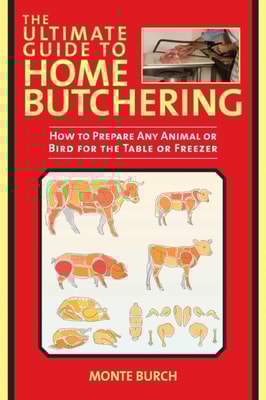
With more than forty years of experience butchering domestic animals, game, and birds, award-winning outdoor writer and photographer Monte Burch presents this complete guide for butchering many types of livestock or wild animals.
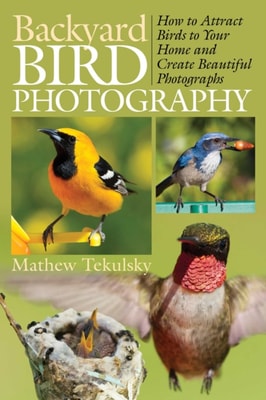
Fans of bird watching will rejoice with Backyard Bird Photography, a guide for learning how to set up your backyard in order to take the best photographs of your local birds.
Recognized today as one of America's best zoos, Riverbanks Zoo and Garden has become one of Columbia, South Carolina's most popular tourist destinations and one of the most visited zoos in the southeastern United States.
Texas hosts an unparalleled number of butterfly species, and whether one lives near the beaches of the Gulf Coast or in the mountains of the Trans-Pecos, all Texans can enjoy the color and tranquility that butterflies bring to any outdoor space.
The fourth volume in the Harte Research Institute's landmark scientific series on the Gulf of Mexico provides a comprehensive study of ecosystem-based management, analyzing key coastal ecosystems in eleven Gulf Coast states from Florida to Quintana Roo and presenting case studies in which this integrated approach was tested in both the US and in Mexico.
Offering intimate and unforgettable descriptions of the birds and people that inhabit Honduran landscapes, Seven Names for the Bellbird showcases the deep-rooted local traditions of bird appreciation and holds them up as a model for sound management of the environment.
From pine forest to desert scrub, from alpine meadow to riparian wetland, Albuquerque and its surrounding area in New Mexico offer an appealing variety of wildlife habitat.
The story behind the birds everyone wants to seeHalfway between Dallas and Mexico City, along the last few hundred miles of the Rio Grande, lies a subtropical outpost where people come from all over the world to see birds.
Containing habitat information, physical descriptions, photographs, and range maps for more than 150 species of freshwater fishes that can be found in Texas, this field guide is an indispensable reference and research tool for ichthyologists, professional fisheries biologists, amateur naturalists, and anglers alike.
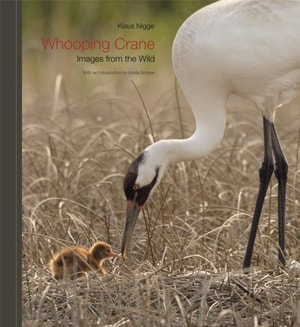
Approximately 250 wild whooping cranes nest in northern Canada and winter in south Texas, flying 2,500 miles annually between these two distinct havens: the coastal marshes of the Gulf of Mexico and the boreal wilderness on the border of Alberta and the Northwest Territories.
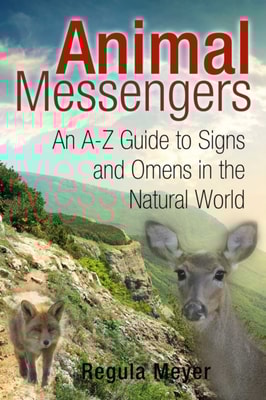
An animal-by-animal guide that reveals the meaning behind each encounter we have with animals *; Provides sophisticated psychological insight into encounters with more than 150 animals, birds, reptiles, insects, and aquatic life *; Explores how animals reflect our inner world, drawing our attention to inner turmoil, relationship issues, spiritual growth, and the deepest needs of the soul *; Explains how the meaning of each encounter depends on whether the animal was hunting, fleeing, hiding, or acting indifferent when sighted We each feel connections to animals in our own way.
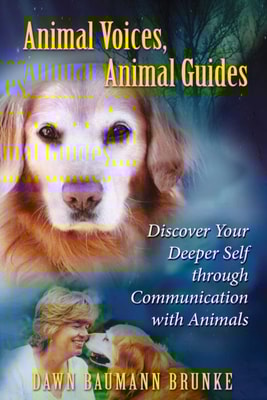
How to connect with animal guides to expand individual and planetary awareness *; Reveals techniques for exploring dreams, shamanic journeys, healing, and shapeshifting with animals *; Presents words of wisdom from cats, dogs, horses, llamas, rabbits, ravens, bears, and even insects As companions, helpers, and spiritual guides, animals have always held a special relationship with humans.
The classic and original text that first explored the telepathic methods of communication of wild animals *; Based on years of detailed field observations, first published in 1919 *; Written by the famous American naturalist who was the first to study telepathy in the wild *; Forewords by biologists Rupert Sheldrake, who has spent 15 years researching the unexplained powers of animals, and Marc Bekoff, the editor of the three-volume Encyclopedia of Animal Behavior Many sources have commented on the silent communication abilities of pets, but never before and not since the first publication of this book in 1919 has the subject of animal telepathy in the wild been so fully researched.
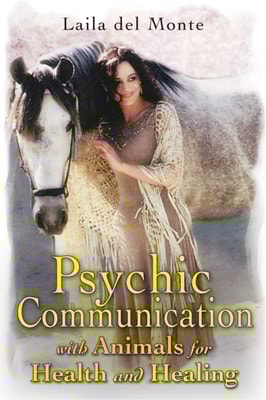
The transformation and insights of an acclaimed flamenco dancer turned world-renowned animal communicator and healer *; Presents powerful case histories of animals with whom she communicated and treated *; Offers instruction on how to establish communication with animals When Laila del Monte was a child growing up on the Balearic island of Formentera, she experienced a special bond with the animals that were a part of her life.
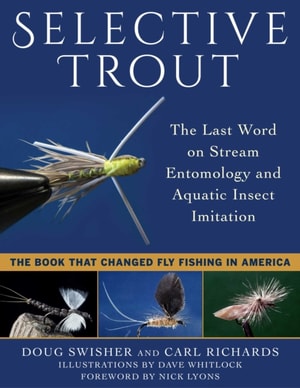
When it was originally published in 1971, Selective Trout was universally acclaimed as the most revolutionary approach to aquatic insect imitation in the twentieth century.
From the mighty rivers of the Pacific Northwest, to the rolling streams of New England, to the freestone streams of the Appalachians, to the frigid waters of Canada, fly fishing is a sport embraced by anglers from all corners of North America.