The author of the international bestseller The Sixth Extinction returns to humanity's transformative impact on the environment, now asking: after doing so much damage, can we change nature, this time to save it?
WINNER OF THE WALES BOOK OF THE YEAR AWARD 2020SHORTLISTED FOR THE WAINWRIGHT PRIZE 2020__________________________'A moving story of love, tradition and landscape.
From small steps to giant leaps, A Galaxy of Her Own tells fifty stories of inspirational women who have been fundamental to the story of humans in space, from scientists to astronauts to some surprising roles in between.
Ever been tempted by the thought of trying juicy deep fried mealworms, proteinrich cricket flower, or swapping your Walkers for salt and vinegar flavoured grasshoppers?
'I was gripped by it' IAN McEWANThree lives collide, not one of them will emerge unchanged - the exhilarating new novel from the author of the Patrick Melrose series.
From the Nasa astronaut who spent a record-breaking year aboard the International Space Station what it s like out there and what it s like now, back here.
'BRITAIN'S FINEST LIVING NATURE WRITER' - THE TIMESA SUNDAY TIMES BESTSELLER and BBC Radio 4 'Book of the Week' from 'indisputably, one of the best nature-writers of his generation' (Country Life) Written in diary format, The Wood is the story of English woodlands as they change with the seasons.
The perfect gift for nature lovers - The Book of the Owl is a beautifully illustrated small format hardback exploring the legend and history of the owl.
'A revelation for anyone with the slightest interest in the feathered friends visiting their gardens' - Garden NewsYou don't have to be a dedicated birdwatcher to be a bird lover.
A full-colour and beautifully illustrated guide into transforming your existing garden or plot of land into a modern, visually-stunning - but also easily achieved and maintained - space.
The first book by astronaut Tim Peake - a mesmerising collection of over 150 of Tim's stunning photographs taken on board the International Space Station, many of which have never been seen before.
'Evocatively written and charming' - Countryfile'The January Man is a book that makes you want to pull on your boots, grab a map and get out there' - Country LifeThe January Man is the story of a year of walks that was inspired by a song, Dave Goulder's 'The January Man'.
__________________'BRITAIN'S FINEST LIVING NATURE WRITER' - THE TIMESThe Sunday Times Bestseller - SHORTLISTED FOR THE WAINWRIGHT PRIZE 2017 Traditional ploughland is disappearing.
From two-time National Book Award nominee Melissa Fay Greene comes a profound and surprising account of dogs on the front lines of rescuing both children and adults from the trenches of grief, emotional, physical, and cognitive disability, and post-traumatic stress disorder.
Ami Ami Dogs 2: More Seriously Cute Crochet is the second installment in a new series for dog lovers, crafty folk, and people who just love cute stuff.
'Prose from a poet and a personal take on the spectacles' Chris Packham, author of Fingers in the Sparkle JarShortlisted for Richard Jefferies Society & White Horse Bookshop Literary Prize 2017Longlisted for the Wainwright Prize 2017Britain is a nation of bird-lovers.
From Diana Darke, the acclaimed author of My House in Damascus and The Merchant of Syria, comes the extraordinary true story of a heroic ambulance driver who created a cat sanctuary in the midst of war-torn Aleppo.
For fans of Holly Martin, Phillipa Ashley and Sarah Morgan, Lizzie Shane's The Twelve Dogs of Christmas is the perfect read to curl up with this holiday season!
'A hilarious, laugh-out-loud romance that is a breath of fresh air' 5* reader reviewFrom the author of the 100,000+ copy-selling rom-com, Love to Hate You!
The sixth enchanting novel in the Lucky Harbor series from New York Times bestselling author Jill Shalvis, laced with her trademark gift for humour, warmth and romance.
From New York Times bestselling author Marie Force, creator of the beloved McCarthys of Gansett Island, Quantum and Fatal series, comes the fourth book in her Green Mountain series.
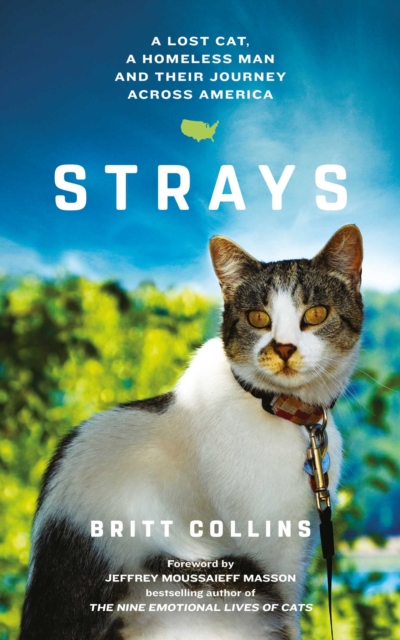
For fans ofA Street Cat Named BobandDewey: The Small-Town Library Cat Who Touched the World,Straysis a compelling true story of a man who rescues a stray, injured cat and how they save each other.
For years, Tom Cox might have seemed like a regular, hard-living sort of bloke -- a lover of late nights, rock music and beer -- but he had a dark furry secret.
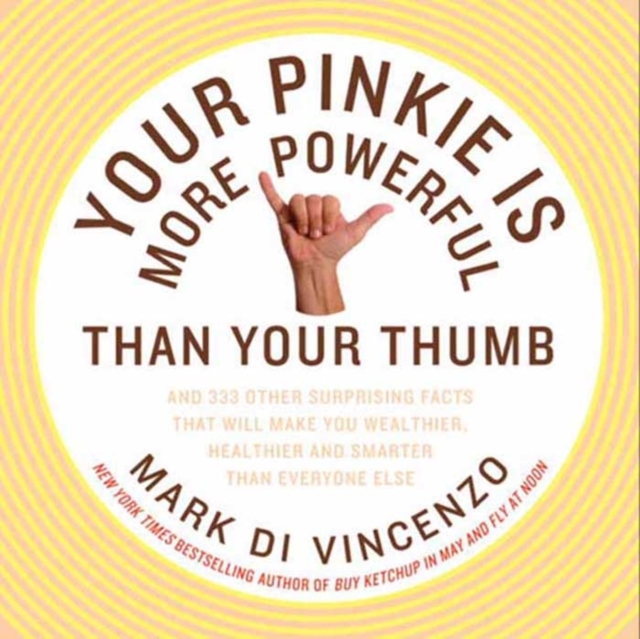
Mark Di Vincenzo, the New York Times bestselling author of Buy Ketchup in May and Fly at Noon, brings us another book of fascinating, eminently useful facts certain to make you healthier, wealthier, and wiser.
The thrilling and inspiring story of a US Marine and his dog Rex, a bomb sniffing German Shepard, who forged a bond of trust and loyalty while serving on the war-torn streets of Iraq's most dangerous city.
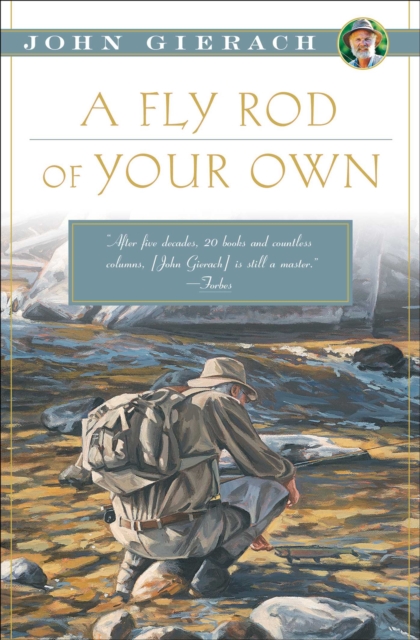
';After five decades, twenty books, and countless columns, [John Gierach] is still a master,' (Forbes) and his newest book only confirms this assessment, along with his recent induction into the Flyfishing Hall of Fame.
THE SUNDAY TIMES BESTSELLERA fascinating and hilarious glimpse into Paul's life at home in the country with his animalsPaul O'Grady's Country Life for the first time gives a glimpse into the home life of one of Britain s best loved stars, alongside the animals he adores.
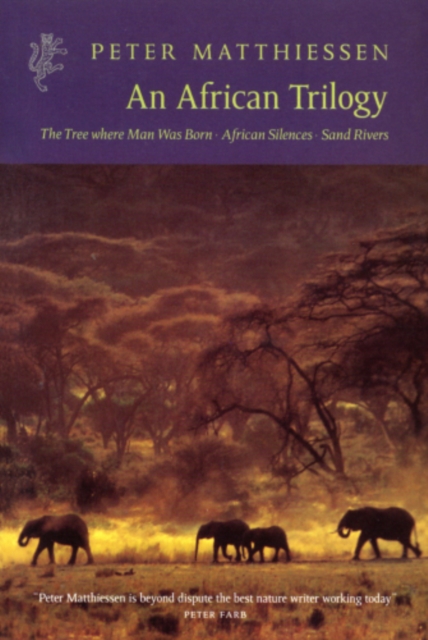
During the 1970s and 1980s, Peter Matthiessen took part in a number of expeditions to Africa, witnessing first-hand the continent s many and diverse peoples and wildlife.