Nicht alle Welpen sind von Natur aus neugierig, frech und verspielt: Manche sind unsicher und so ängstlich, dass sie zu "Problemhunden" zu werden drohen.
Dass Hund und Katze sich nicht verstehen können, ist ein alter Irrglaube: Mit etwas Anleitung durch den Menschen sind sie durchaus in der Lage, die etwas unterschiedliche Kommunikation des anderenzu lernen und dessen Bedürfnisse zu akzeptieren.
Dass Hund und Katze sich nicht verstehen können, ist ein alter Irrglaube: Mit etwas Anleitung durch den Menschen sind sie durchaus in der Lage, die etwas unterschiedliche Kommunikation des anderenzu lernen und dessen Bedürfnisse zu akzeptieren.
In vielen Ratgebern zur Welpenerziehung klingt immer alles so ideal: Der Kleine entzückt rund um die Uhr mit seiner Niedlichkeit, macht nichts als Freude und lässt sich mit dem passenden Sozialisations- und Erziehungsplan für eine problemlose Zukunft programmieren.
In vielen Ratgebern zur Welpenerziehung klingt immer alles so ideal: Der Kleine entzückt rund um die Uhr mit seiner Niedlichkeit, macht nichts als Freude und lässt sich mit dem passenden Sozialisations- und Erziehungsplan für eine problemlose Zukunft programmieren.
Hunde haben es oft nicht leicht: Jahrtausendelang wurden sie zum Bewachen von Haus, Hof und Eigentum gezüchtet, und plötzlich sind diese Eigenschaften nicht mehr gefragt.
Es klingelt und das vierbeinige Chaos in Form von hysterischem Bellen und schlitterndem Losrasen zur Tür bricht los:Dieses leidvolle Szenario kennen viele Hundebesitzer.
Wenn Hunde Angst vor dem Tierarzt haben, ist das für sie selbst und ihre Besitzer nicht nur unangenehm, sondern erschwert auch die Untersuchung oder gefährdet sogar den Behandlungserfolg.
Hunde haben es oft nicht leicht: Jahrtausendelang wurden sie zum Bewachen von Haus, Hof und Eigentum gezüchtet, und plötzlich sind diese Eigenschaften nicht mehr gefragt.
Wenn Hunde Angst vor dem Tierarzt haben, ist das für sie selbst und ihre Besitzer nicht nur unangenehm, sondern erschwert auch die Untersuchung oder gefährdet sogar den Behandlungserfolg.
Heute steht uns mehr Wissen über Hunde zur Verfügung steht denn je: Noch nie gab es eine so reiche Auswahl an Trainingsmethoden und Trainingsangeboten.
Coppinger und Feinstein betrachten Hunde in diesem Grundlagenwerk mit dem unbestechlichen und unsentimentalen Blick der Wissenschaft und arbeiten anhand vieler Beispiele aus ihrer jahrzehntelangen Feldforschung und aus verschiedenen Perspektiven klar heraus, dass Verhalten genau wie körperliche Form evolutionäre Grundlagen besitzt und von den gleichen Mechanismengeprägt wird.
Hunde und Menschen gehören zwar verschiedenen Arten an, aber die aktuelle Wissenschaft liefert faszinierende und unwiderlegbare Beweise dafür, dass unsere Gemeinsamkeiten größer sind als unsere Unterschiede.
Hunde sind nicht immer mutig: Die Evolution hatte noch nicht genug Zeit, sie auf das Leben in unserer modernen Gesellschaft mit all den zahllosen Umweltreizen und der Enge vorzubereiten.
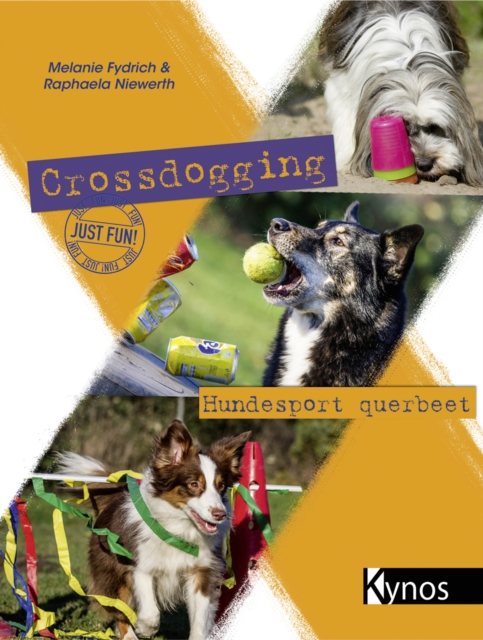
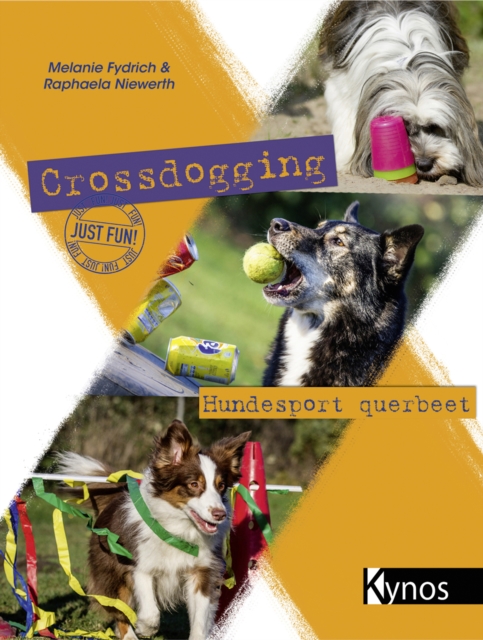
Crossdogging ist frech und anders: Es mischt Elemente aus verschiedenen Hundesportarten zu einem neuen Gesamtkonzept, das durch Abwechslung und Vielseitigkeit besticht.
Aggressionen gegen Artgenossen oder gar Menschen, Angst vor dem Alleinsein, übertriebenes Bewachen von Gegenständen, Hunde, die ihre Besitzer geschickt zu steuern verstehen, Probleme mit der Stubenreinheit, ein depressiver Hund und vieles mehr - all dies sind Dinge, mit denen Hundetrainer fast täglich konfrontiert werden.
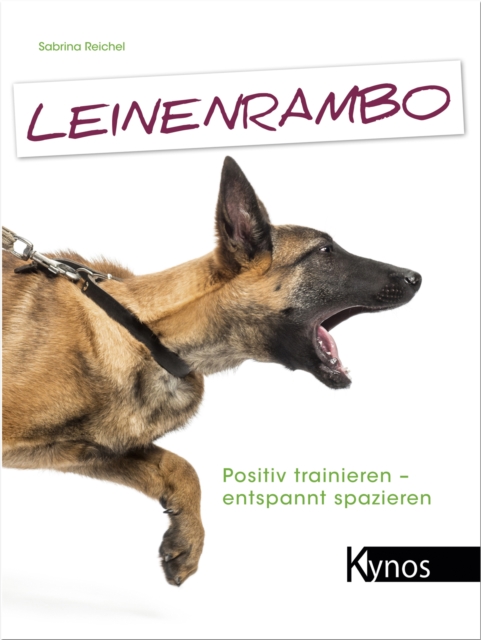
Hunde, die sich bei Begegnungen mit anderen Hunden in wahlweise tobende Rambos oder zitternde Nervenbündel verwandeln, sobald sie an der Leine sind, sind ein häufiges Phänomen und strapazieren die Geduld ihrer Besitzer aufs Äußerste.
Crossdogging ist frech und anders: Es mischt Elemente aus verschiedenen Hundesportarten zu einem neuen Gesamtkonzept, das durch Abwechslung und Vielseitigkeit besticht.
Aggressionen gegen Artgenossen oder gar Menschen, Angst vor dem Alleinsein, übertriebenes Bewachen von Gegenständen, Hunde, die ihre Besitzer geschickt zu steuern verstehen, Probleme mit der Stubenreinheit, ein depressiver Hund und vieles mehr - all dies sind Dinge, mit denen Hundetrainer fast täglich konfrontiert werden.
Von Sporthunden wird heute viel verlangt: Sie sollen hoch springen, schnell laufen, Ausdauer und Geschicklichkeit zeigen,um ihren Besitzern Pokale nach Hause zu bringen.
Entfremdung, Gewaltbereitschaft, Isolation, Haltlosigkeit - das sind nur zu oft die Schlagworte, mit denen die Situation auffällig gewordener Jugendlicher beschrieben wird.
Während der Zeitgeist einmal mehr nach Utopia entwischt, betrachtet Roger Scruton die sitzengelassene Gegenwart: in zwölf Essays denkt er nach übers Regieren, Bauen und Tanzen, über das Sprechen vom Unsagbaren, über Trauern und Sterben, darüber, wie so getan wird, als ob, wie Leute sich hinterm Bildschirm verstecken, wie Tiere geliebt und Etiketten geklebt werden, über das Bewahren der Natur und die Verteidigung des Westens.
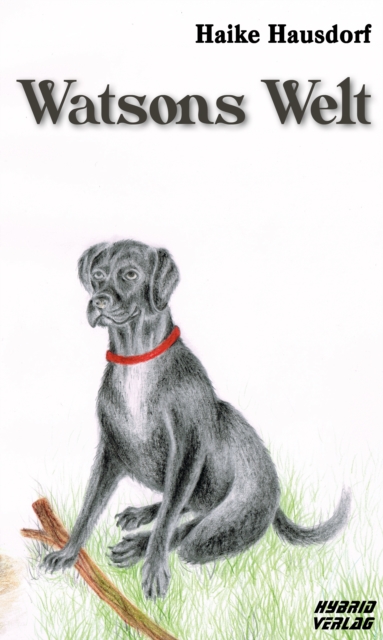
Watson ist ein Appenzeller Schnaubrador und lebt mit seinen zweibeinigen Mitbewohnern Tom und Kati glücklich und zufrieden - bis die Wohnungskündigung auf den Tisch flattert und Tom ein altes Haus kauft.