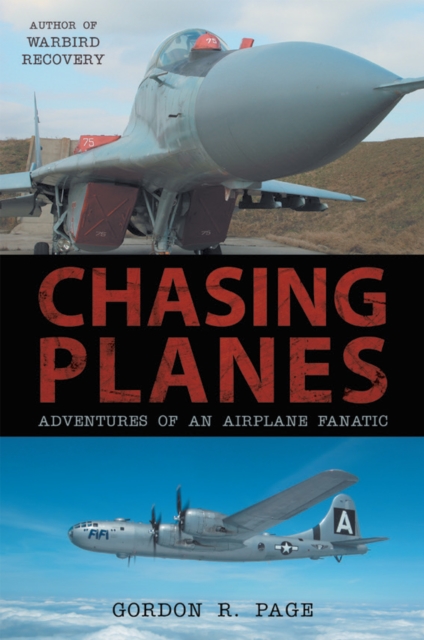
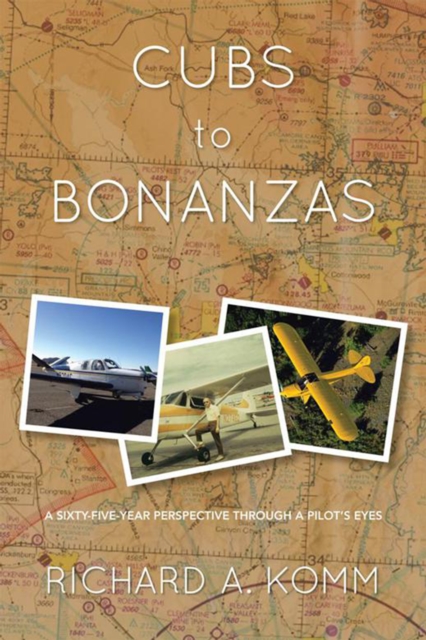
JAP is a story about a young man who somehow, through a series of accidents intentions, mistakes and drive became a Naval Aviator, no mean feat by any accounts.
Among the many twentieth-century explosions in technology that have made the world into a global village, few have had tangible or far-reaching an impact as aviation.
This is a story about one man's lifelong passion and commitment to flight, starting as a teenager and detailing the intense process of learning to fly in Piper Cubs, then sharing the many experiences of flight with its joys and sorrows as experienced by the author over a sixty-five year span.
Current Aeronautical Fatigue Problems contains the papers presented at the Symposium on Current Aeronautical Fatigue Problems, held in Rome in April 1963.
Aircraft Fatigue: Design, Operational and Economic Aspects contains the proceedings of the "e;"e;Symposium on Aircraft Fatigue-Design, Operational and Economic Aspects,"e;"e; held in Melbourne, Australia, on May 22-24, 1967.
How can a CEO spend creative energy to improve the performance of his organization instead of spending patch-up energy to quick-fix symptoms of problems?
Presenting a comprehensive coverage, Air Transport System Analysis and Modelling is a unique text dealing with the analysis and modelling of the processes and operations carried out in all three parts of the air transport system, namely, airports, air traffic control and airlines.
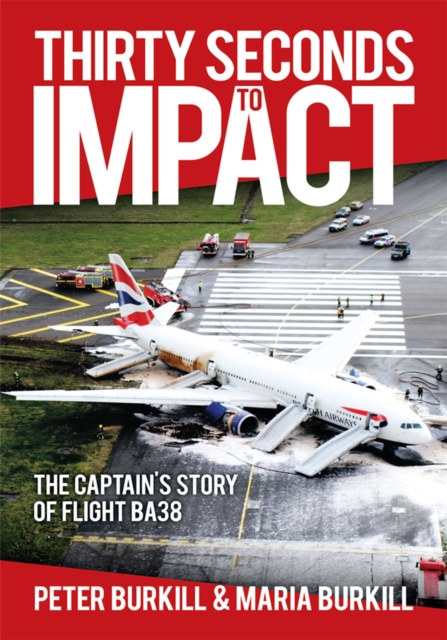
When Peter took charge of the flight deck of the 777 and took off from Beijing airport, there was nothing to suggest that this trip would be anything other than a routine flight of the sort he had made so many times before.
In the late nineteenth century, circus aerialists collaborated with show balloonists to perform death-defying stunts, initially by suspending themselves from trapeze bars beneath a balloon, later by jumping from the balloons using fabric parachutes.
The industry known as "e;general aviation"e;--encompassing all flying outside of the military and commercial airlines--dates from the early days of powered flight.
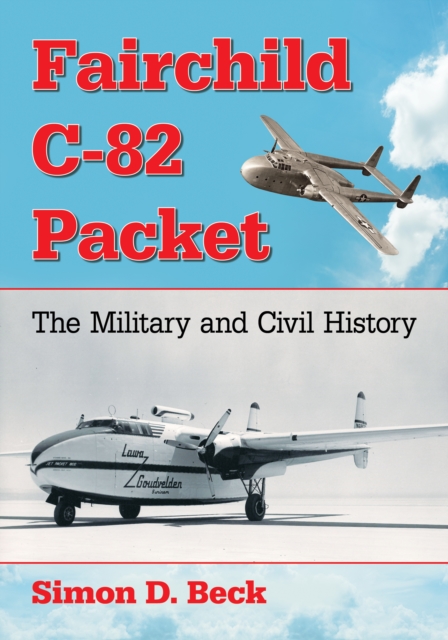
Originally designed as a cargo and paratroop transport during World War II, the Fairchild C-82 Packet is today mainly remembered for its starring role in the Hollywood film The Flight of the Phoenix (1965).
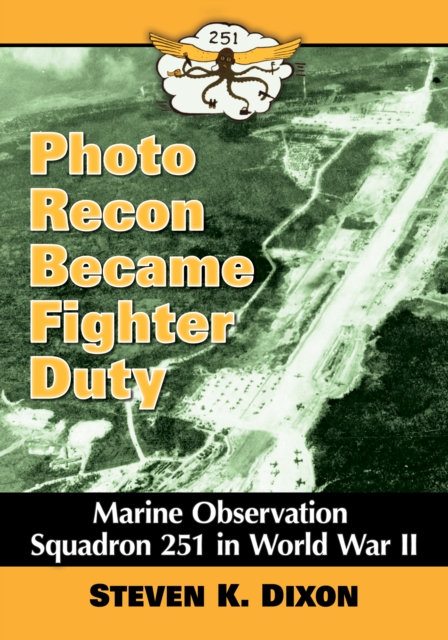
Trained as a photo reconnaissance unit, Marine Observation Squadron 251 ended up serving as a fighter squadron for the duration of World War II, shooting down 32 Japanese aircraft.
Against a backdrop of inadequate funding, misplaced priorities and a lack of manpower, American commercial aviation in the 1960s was in a perilous state.