The history of East Yorkshire is well documented, going back to 1919 when Ernest John Lee purchased a fourteen-seat Ford Model T bus for a service between Elloughton and Hull.
First appearing in 1972, National Express coaches have become a familiar site on the UK's roads, and are very much a part of popular culture, celebrated in songs and on television.
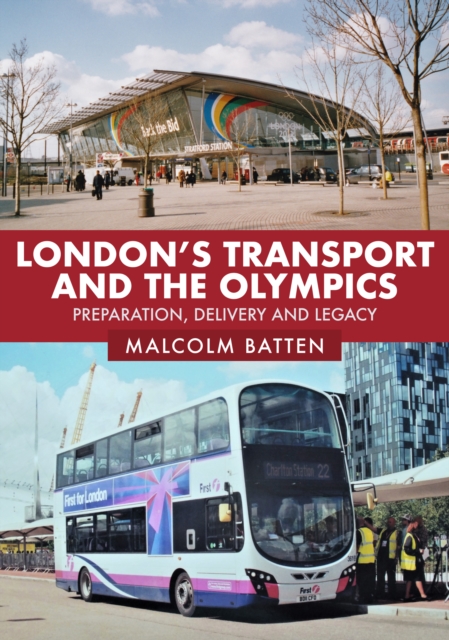
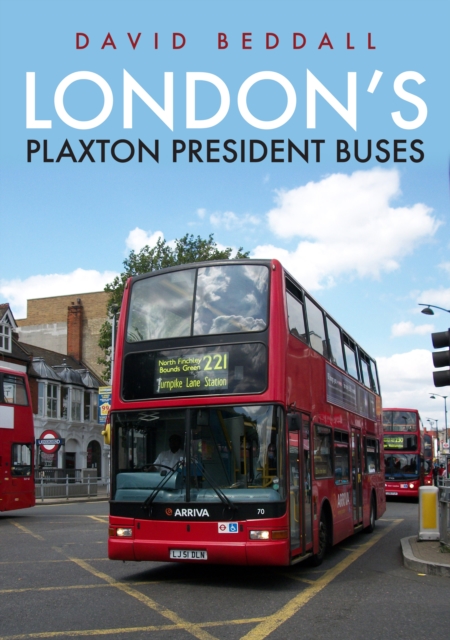
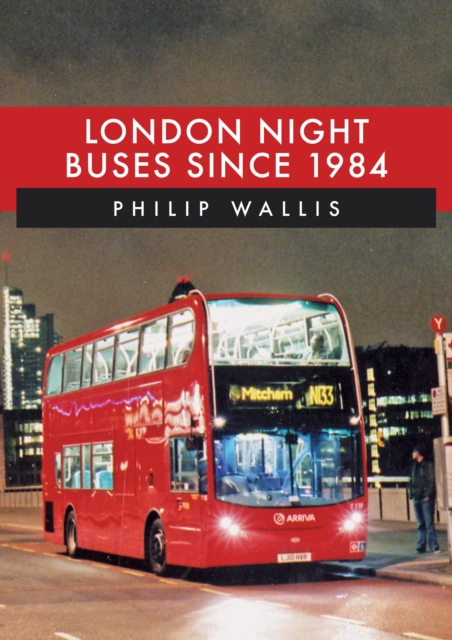
When London first applied as a contender to stage the 2012 Olympic Games, there was cynical speculation as to whether the transport infrastructure could cope should it win.
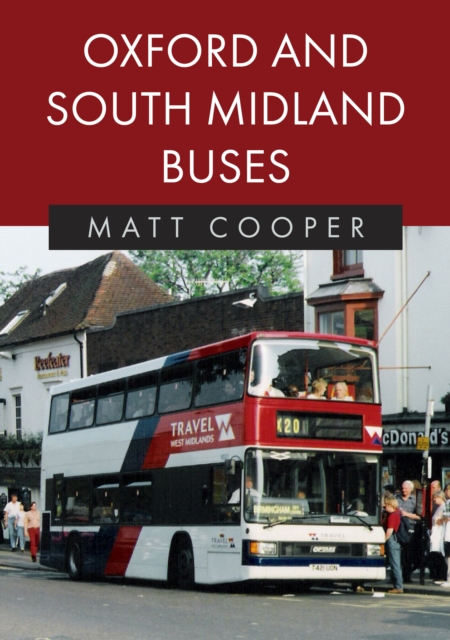
Heralded as one of the best examples in the bus and coach industry of deregulation working in almost textbook fashion, Oxford has enjoyed an excellent and dynamic transport system.
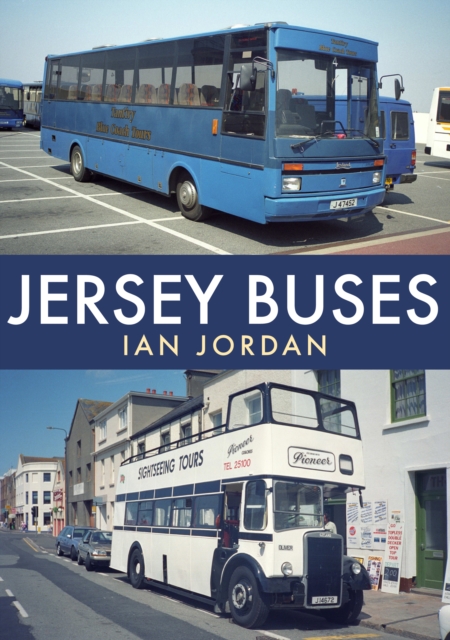
This book covers the operations of Jersey Motor Transport from the late 1980s, as well as looking at how the island's bus scene has developed over the last three decades, including the Easylink and Connex era.
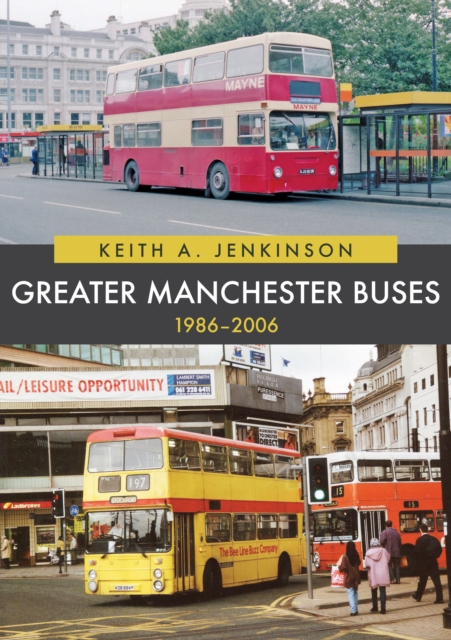
Manchester and its surrounds, such as Bolton, Wigan, Rochdale, Oldham and Stockport, have always been a haven for bus enthusiasts, with a wide variety of operators and liveries to be seen.
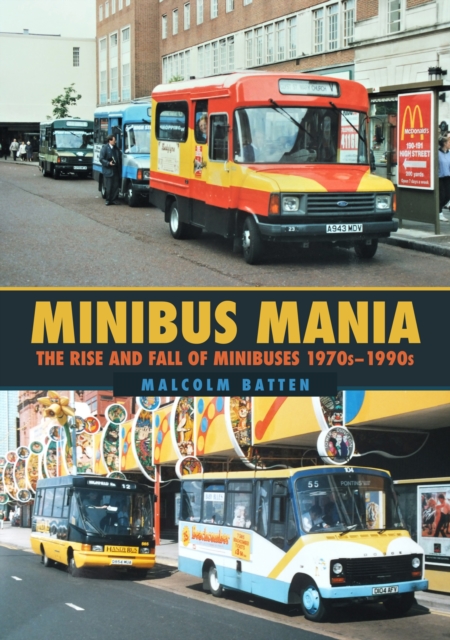
There have always been small buses used by bus companies for a variety of reasons, but in the 1970s a number of companies employed van-derived minibuses on experimental services such as Dial-a Ride schemes.
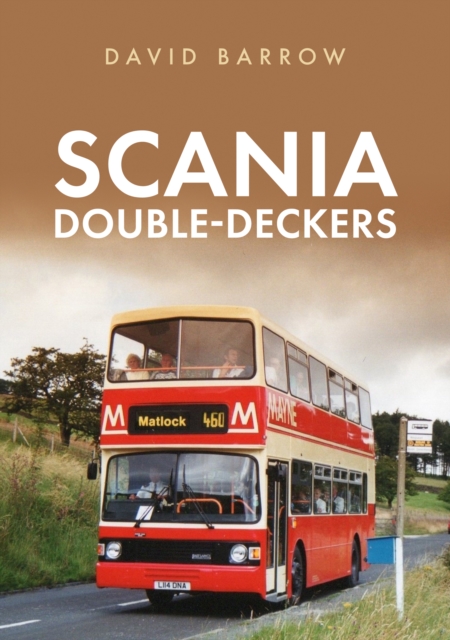
Scania's first venture into the British double-decker bus market came in 1973, when with partner MCW, based in Birmingham, they produced the 'Metropolitan' double-decker.
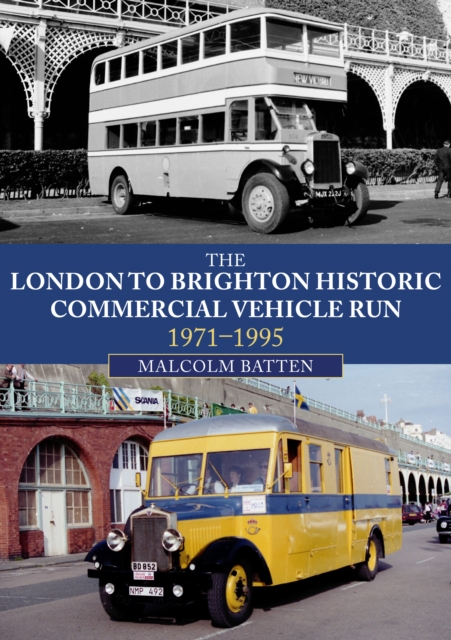
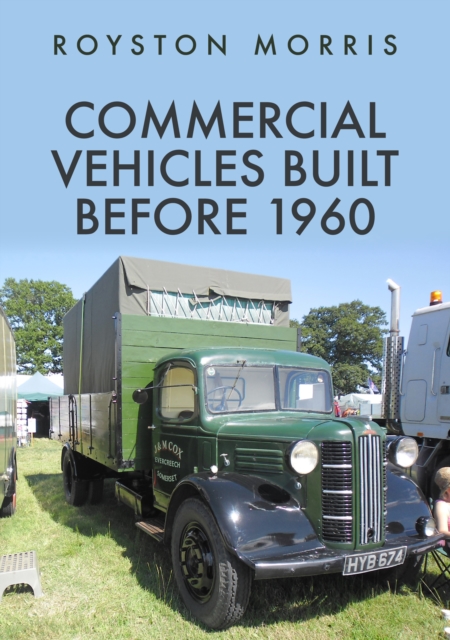
The London to Brighton Historic Commercial Vehicle run is one of the premier events in the calendar for preserved commercial vehicle owners and enthusiasts alike.
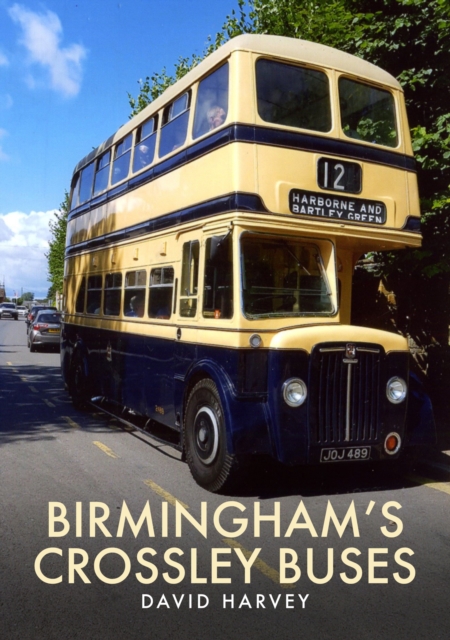
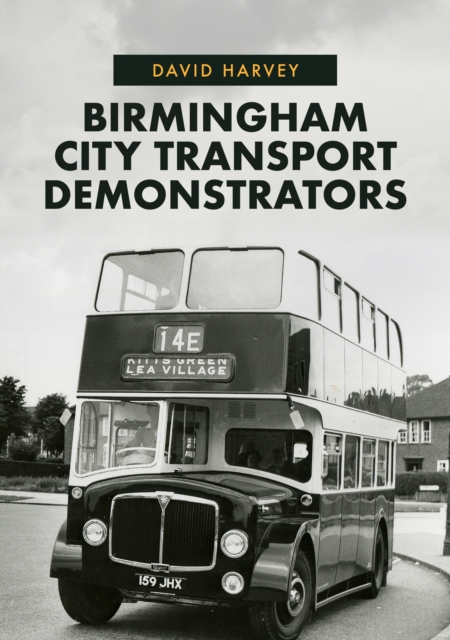
Birmingham City Transport's association with Crossley Motors came about after 1945, when BCT required a large number of buses to be delivered quickly, with many manufacturers unable to fulfil orders in the aftermath of the war.
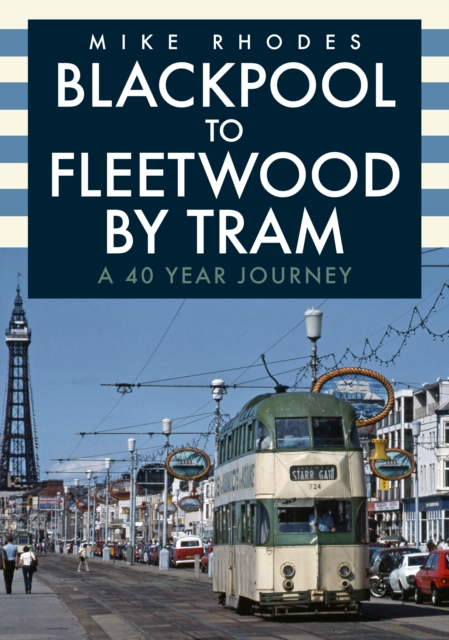
The Blackpool Electric Tramway Company commenced operation of a conduit system of railed vehicles along the Promenade between Cocker Street and Station Road on 29 September 1885.
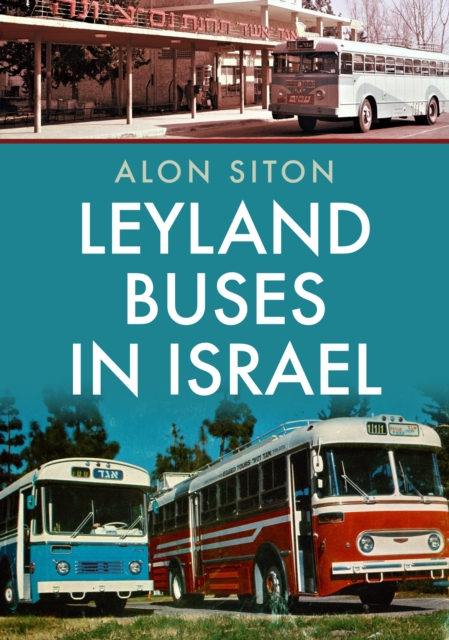
This book, the first ever written on the subject of Leyland buses in Israel, tells the story of the company's decades-long partnership with the state of Israel.
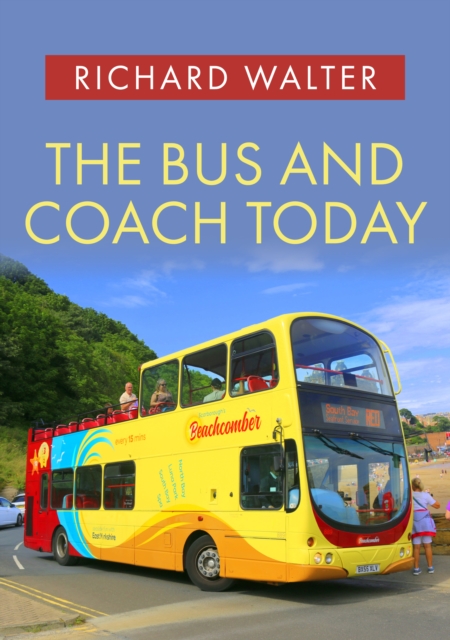
The design of buses and coaches is constantly changing as new technology is developed and environmentally friendly and emission-related legislation evolves.
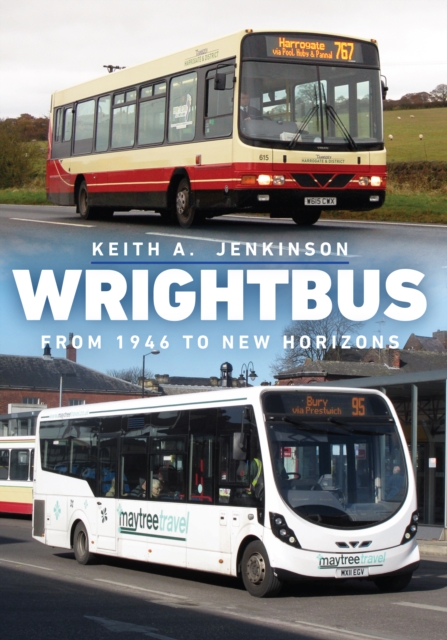
The history of Ballymena-based Wrightbus dates back to 1946, when the company began producing lorries, vans and mobile libraries largely for Ulster customers.
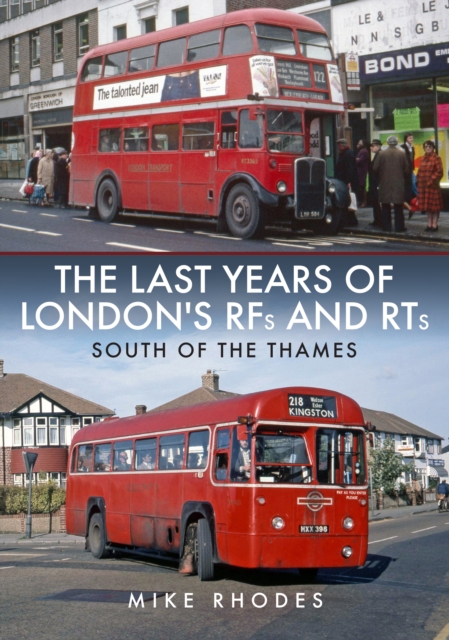
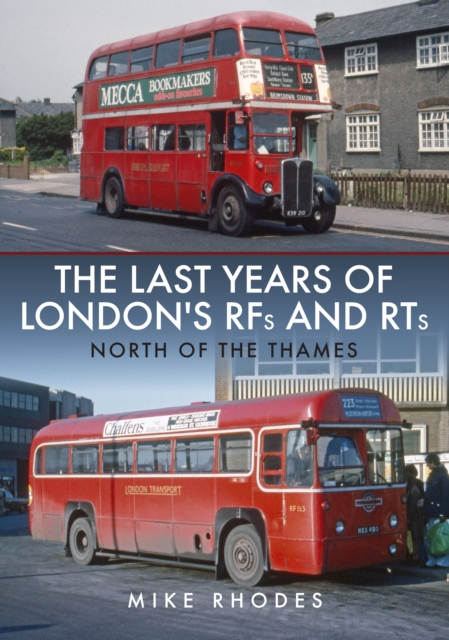
The AEC Regal IVs and Regent IIIs, or to give them their class prefix letters RFs and RTs, are among the most revered buses to have served London over the years.
The AEC Regal IVs and Regent IIIs, or to give them their class prefix letters RFs and RTs, are among the most revered buses to have served London over the years.
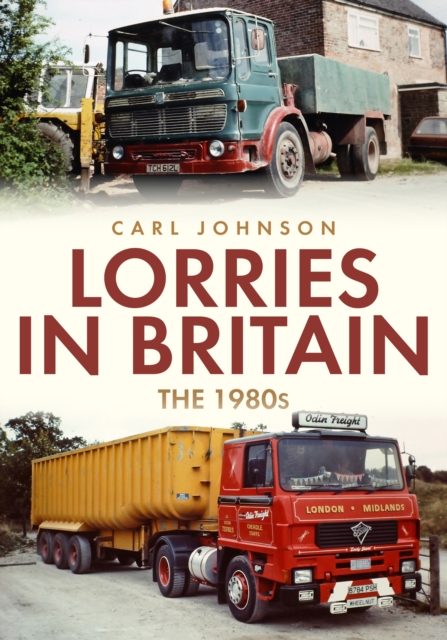
In the 1980s Great Britain had steadily seen an influx of foreign manufacturers, a trend that was to eventually see the demise of all the major UK makes.
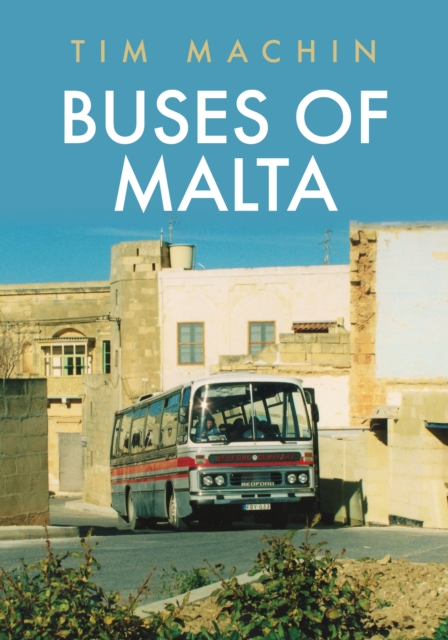
Until the last quarter of the twentieth century Maltese buses had generally had locally constructed bodywork, often a modified chassis of UK or American origin.
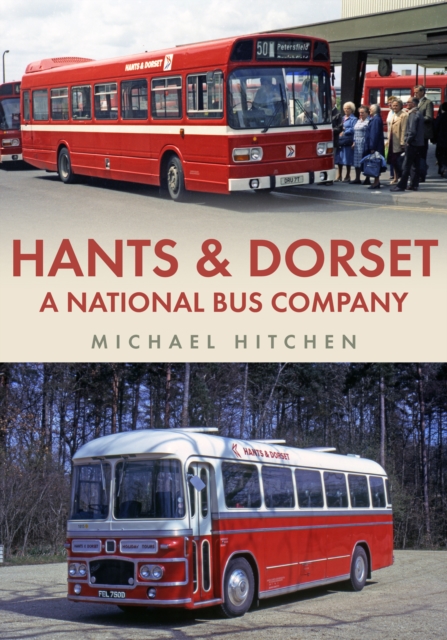
As part of the National Bus Company, Hants & Dorset Motor Service once served a large diverse area, stretching from the remote chalk uplands of North Hampshire, across Salisbury Plain through rural East Dorset to the coastal resorts of Swanage, Poole and Bournemouth, and the heavily populated areas of Southampton and Winchester.
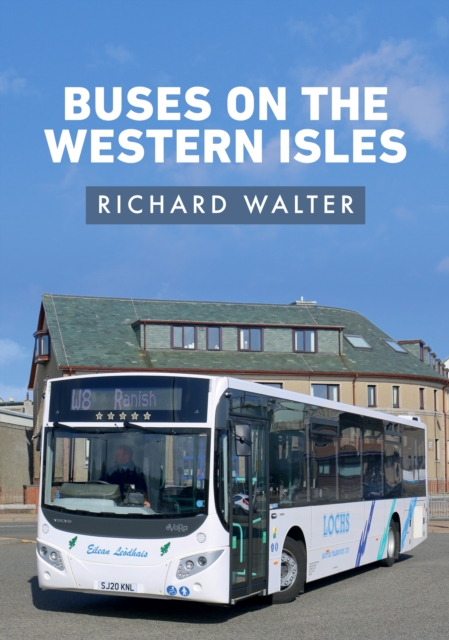
The Isles of Lewis and Harris are unique in that they are made up of a number of small private bus and coach operations tendered for by the local council.
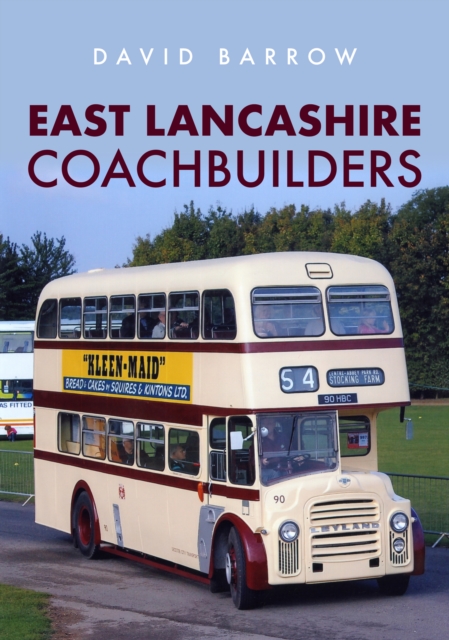
East Lancashire Coachbuilders was first registered in October 1934 when two former Massey Bros of Wigan employees decided to set up their own company in Blackburn.
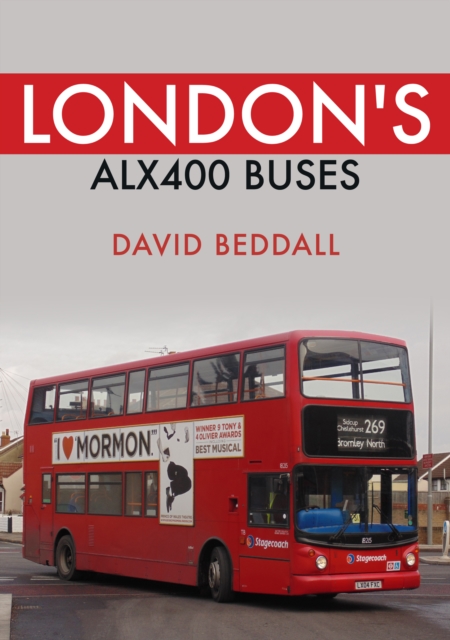
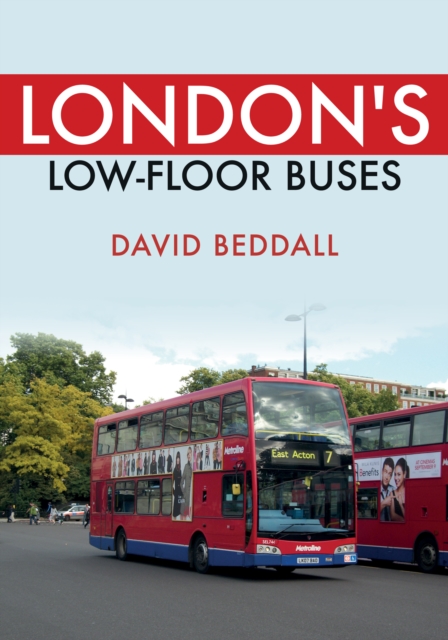
The low-floor bus was first introduced to the streets of London in 1994 with a fleet of sixty single-decks entering services with London Buses Limited, passing quickly to the new privatised operators.