The Ayrshire Road Run was instigated in 1993 as an adjunct to the established annual vintage rally organised by the Ayrshire Vintage Tractor & Machinery Club (AVT&MC).
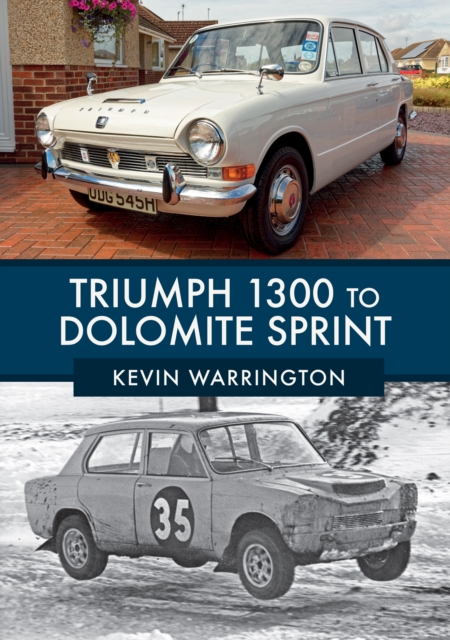
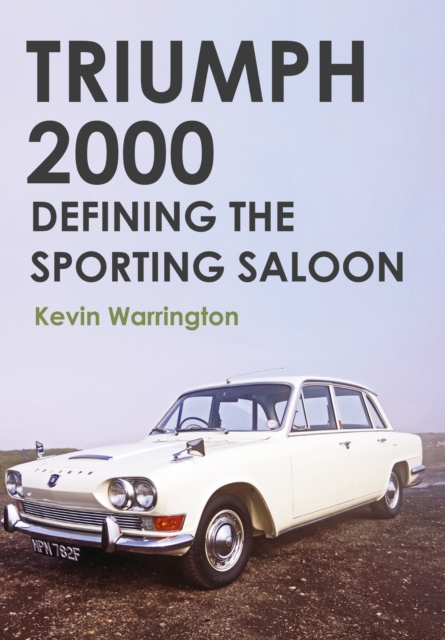
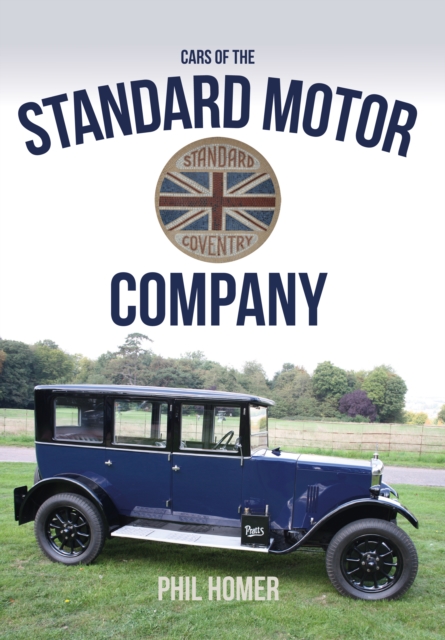
This engaging book begins with the history of Triumph, its rescue by the Standard Motor Company and the quest to replace the bestselling Herald with a more modern design, including the strong influence of the Italian designer Giovanni Michelotti.
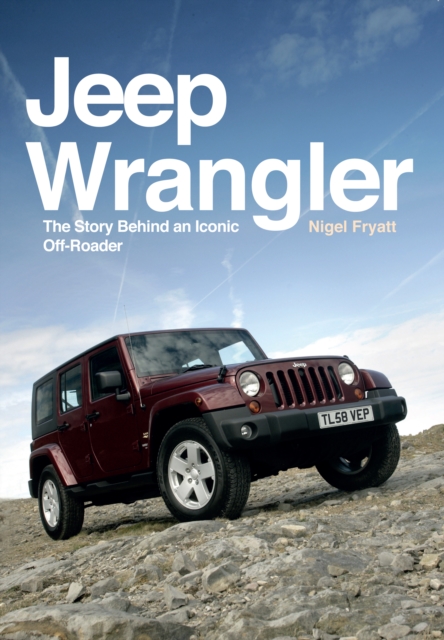
The story of today's Jeep Wrangler has an intriguing and unusual beginning, when the demands of the American army during the Second World War led to the production of a simple, yet multi-purpose, go-anywhere vehicle that could easily (and cheaply) be mass-produced.
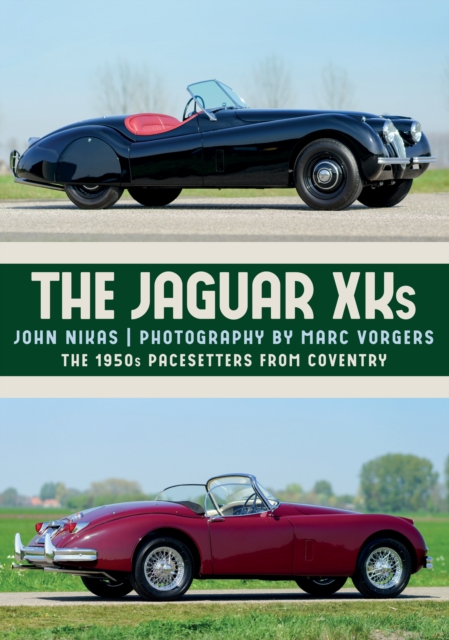
The Jaguar XK120 caused a sensation at the 1948 London Motor Show with its stunning appearance and the startling performance on tap from the innovative XK engine.
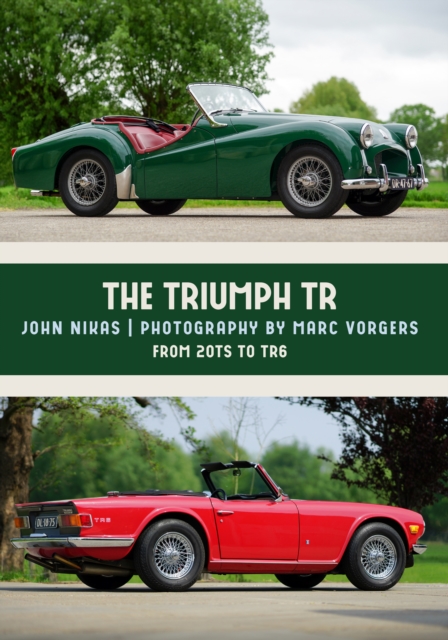
Considered among the most desirable sports cars ever built, Triumph's TR series were renowned for their strong performance, rugged construction and iconic styling.
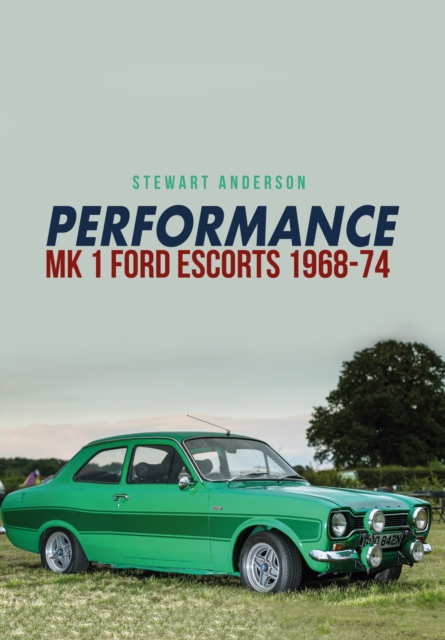
This book tells the exciting story of the development of the legendary performance Ford Escort, which became one of the most successful rally cars of all time.
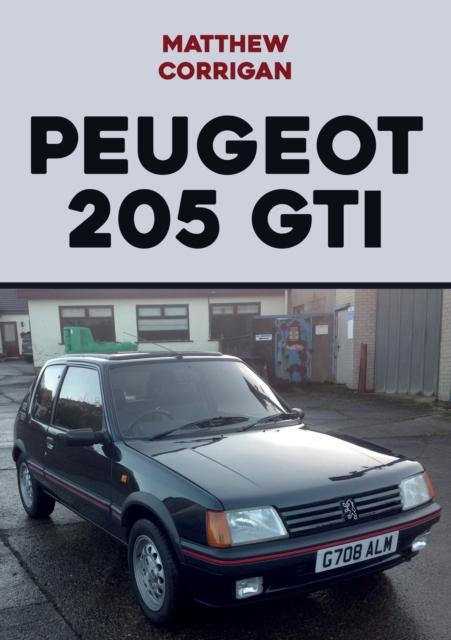
In this readable and engaging book, Peugeot 205 GTI enthusiast and author Matthew Corrigan tells the inside story of one of the most successful cars of the 1980s and 1990s, the Peugeot 205, focusing particularly on the GTI 'hot hatch' versions.
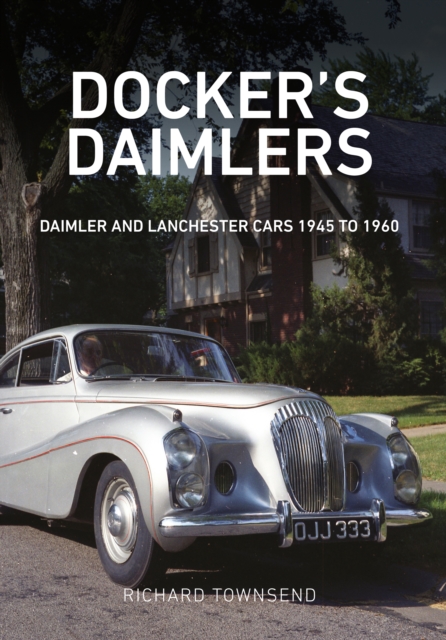
Although Daimler is one of the most famous names in motoring, very few books have covered the models produced between the end of the Second World War and the takeover by Jaguar in 1960.
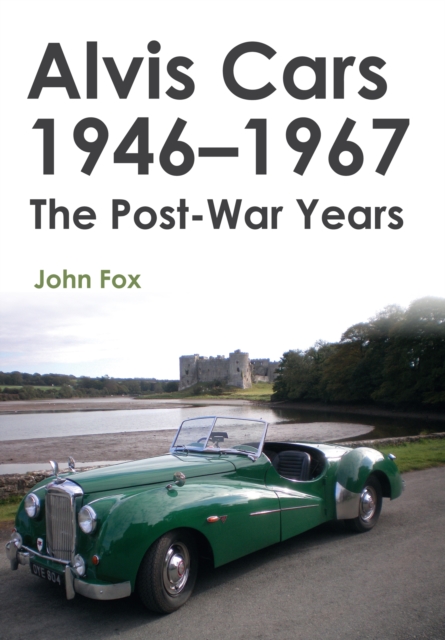
The Alvis company of Coventry were motor and aero engineers who made some of the finest motor cars during the period 1920 to 1967, when car production stopped.
Encompassing the full development of the Triumph 2000, from the early Vanguard model to the Mark 2 models, this book covers the revolutionary aspects of Triumph engineering, including the small-capacity six-cylinder engine and independent suspension, as well as the iconic Michelotti design and quality cabin.
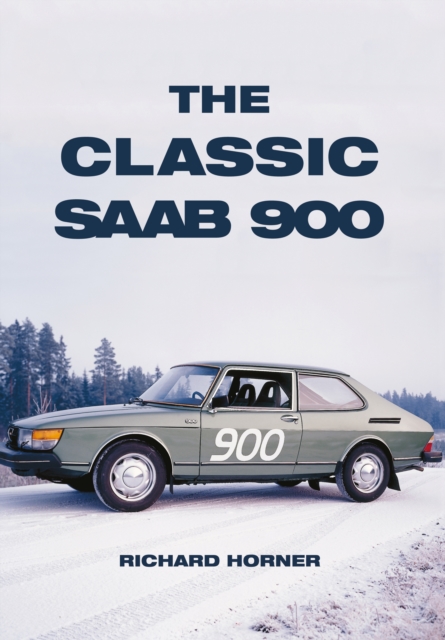
This book traces the design, development and production history of the iconic classic Saab 900 model, manufactured from 1978 to 1993, looking at every variant from the basic single carburettor Saab 900 GL to the blisteringly fast turbocharged Saab 900 turbo 16S.
A rare and fascinating window into the early days of motoring, first published in 1909, this early technical book of advice covers everything the motorist could possibly need to know.
The first generation of Sunbeam Alpine was produced in 1953-54 and was named after the prestigious Alpine Rally which ran through the mountains of France and Italy.
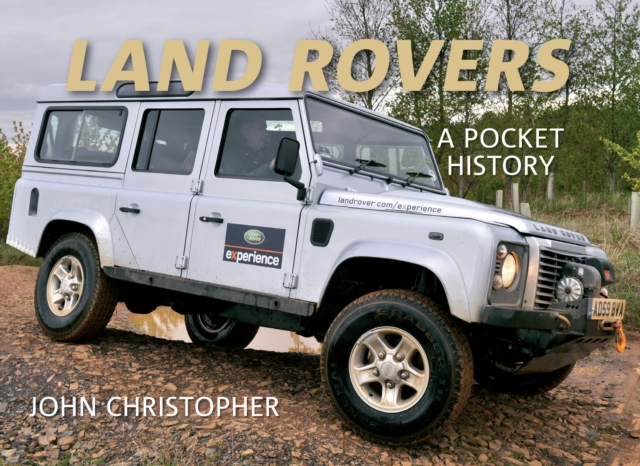
Infinitely flexible, they have appeared in short, medium and long wheelbase variants, with a host of body styles and conversions for everything from sixwheeled fire engines to motor homes.
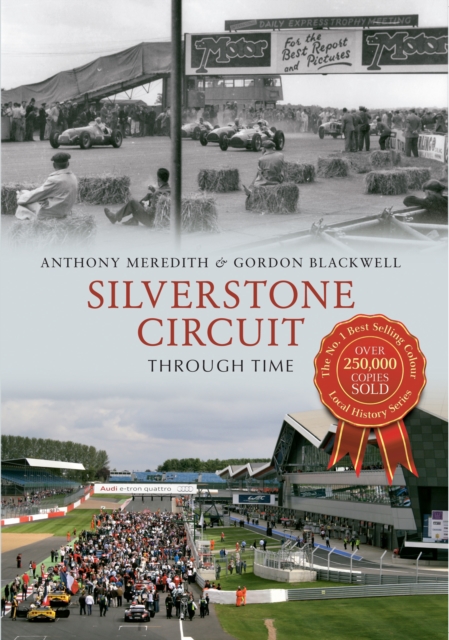
With the liberal use of many previously unpublished photographs contrasting past and present, Silverstone Circuit Through Time shows how a wartime airfield developed, stage by stage, into the country's premier motor racing circuit, the annual home of Formula One's spectacular British Grand Prix.
In the years immediately following the First World War, motoring and the motor car came to play an increasingly important part in everyday social life; at the same time, the automobile itself embarked upon a period of great technical improvement.
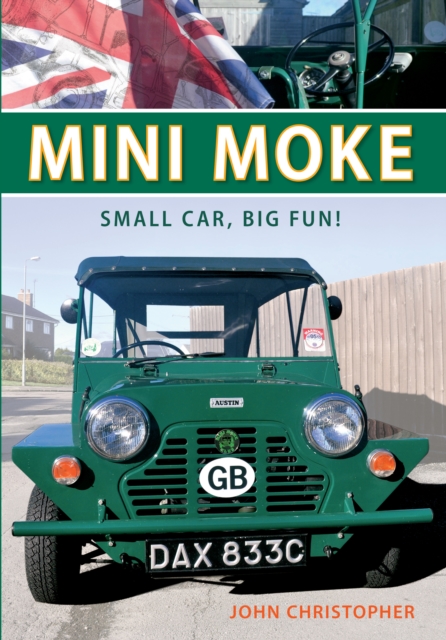
Intended for the British Army as a contract for a small, Jeep-like, air-portable vehicle, the Mini Moke was a failure at this role and found its success as a fun, sunshine toy, equally at home on the beach as in the mountains.
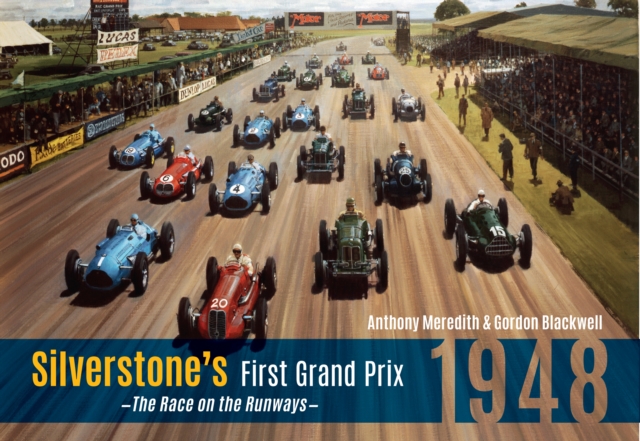
It was madness: Grand Prix drivers racing flat out from opposite ends of two long runways, only to turn away from each other at the last moment at corners improvised with hay bales.
Uncover the Technology behind Hybrids and Make an Intelligent Decision When Purchasing Your Next Vehicle With one billion cars expected to be on the roads of the world in the near future, the potential for war over oil and the negative environmental effects of emissions will be greater than ever before.
Following up on Crap Cars and My Dad Had One of Those, Top Gear celebrates the midlife crisis with the definitive collection of the flashest, fastest, most impractical cars ever to be found in the driveways of otherwise perfectly sensible men.
The hilarious new collection of stories and observations from Jeremy Clarkson - setting our off-kilter world to rights with thigh-slapping wit once again.
JEREMY CLARKSON'S LATEST - AND MOST OUTRAGEOUS - TAKE ON THE WORLDCLARKSON'S BACK - AND THIS TIME HE'S PUTTING HIS FOOT DOWNFrom his first job as a travelling sales rep selling Paddington Bears to his latest wheeze as a gentleman farmer, Jeremy Clarkson's love of cars has just about kept him out of trouble.