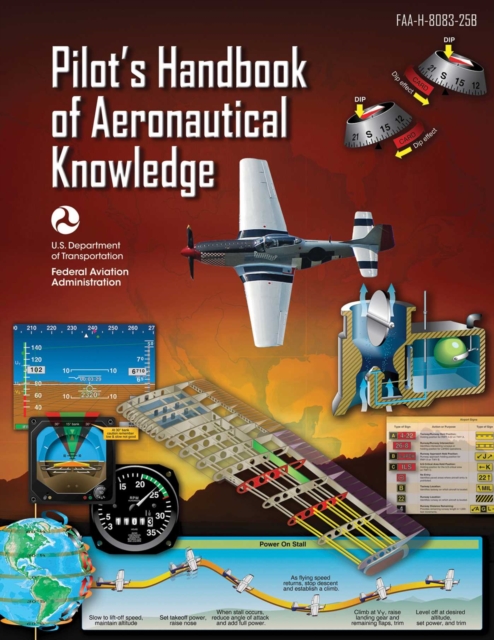
The Pilots Handbook of Aeronautical Knowledge is an official Federal Aviation Administration (FAA) Handbook that provides basic knowledge that is essential for pilots.
The sailor-author navigates his famous yacht, Outward Leg, across the rivers of Europe in this travel memoir that's "e;vintage Tristan Jones"e; (Publishers Weekly).
From the acclaimed teller of such classic yarns as A STEADY TRADE, THE INCREDIBLE VOYAGE, and HEART OF OAK, ENCOUNTERS OF A WAYWARD SAILOR is wonderful collection of true stories from one of the great storytellers of the sea.
The author of The Incredible Voyage sets out on a "e;simply tremendous"e; and death-defying adventure sailing through the Arctic Ocean (Kirkus Reviews, starred review).
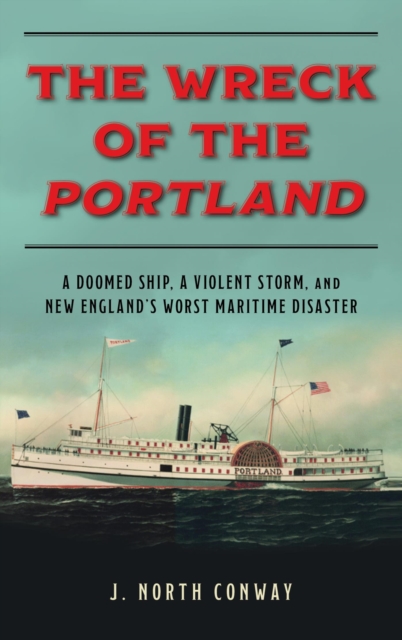
The SS Portland was a solid and luxurious ship, and its loss in 1898 in a violent storm with some 200 people aboard was later remembered as ';New England's Titanic.
This volume presents the report of the Pacem in Maribus Conference on Ports as Nodal Points in the Global Transport System held in Rotterdam in August 1990.
Marine Auxiliary Machinery, Seventh Edition is a 16-chapter text that covers the significant advances in marine auxiliary machinery relevant to the certification of competency examinations.
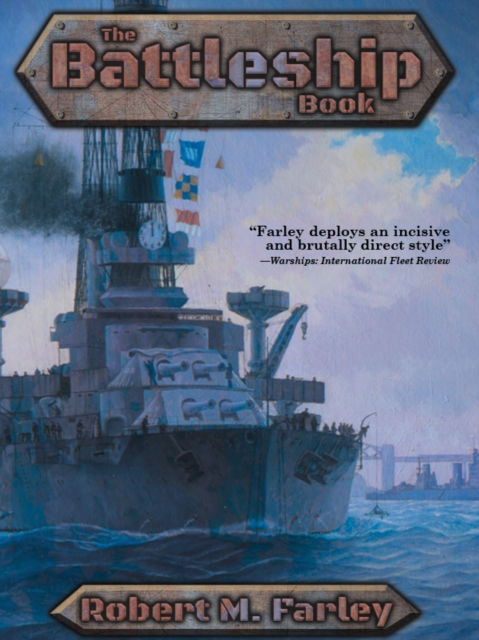
From the moment when the launching of HMS Dreadnought made every capital ship in the world obsolete overnight, we have been fascinated with these powerful surface combatants.
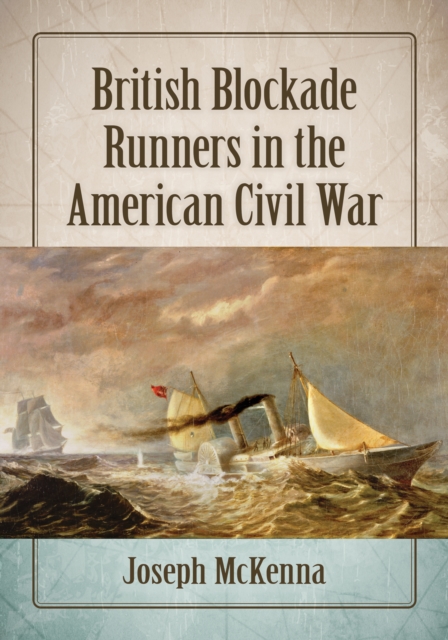
Perhaps more than all the campaigns of the Union armies, the Union naval blockade--covering all major Southern ports along 3,500 miles of coastline for the duration of the war--brought down the Confederacy.
Merchant John Banister (1707-1767) of Newport, Rhode Island, wore many hats: exporter, importer, wholesaler, retailer, money-lender, extender of credit and insurer, owner and outfitter of sailing vessels, and ship builder for the slave trade.
This first ever biography of Antarctic explorer Sir Raymond Priestley (1886-1974) covers his full (at times life-threatening) involvement with Sir Ernest Shackleton's 1907-1909 Nimrod Expedition and Robert Scott's 1910-1913 Terra Nova Expedition.
The first African-American aircraft carrier commander, Rear Admiral Lawrence Cleveland Chambers (1929- ) played a prominent role as captain of the USS Midway during the Vietnam War.
A Scottish immigrant to Illinois, Joseph Brown made his pre-Civil War fortune as a miller and steamboat captain who dabbled in riverboat design and the politics of small towns.
Electric propulsion for boats was developed in the early 19th century and--despite the advent of the internal combustion engine--continued with the perfecting of the modern turbo-electric ship.
From 1850 to 1854, the ambitious Commander Robert McClure captained the HMS Investigator on a voyage in search of the missing Franklin Expedition, which sailed from England into the Arctic in 1845 to map the last uncharted section of the North-West Passage.
From rubber landing boats to picket boats to minesweepers, smaller support vessels did much of the work of the Korean War, and endured many of the dangers and hardships.
Since the beginning of the 20th century, the United States has sought to achieve Admiral Alfred Thayer Mahan's vision of "e;command of the sea"e; using large battle fleets of capital ships.
The Union victory at Gettysburg is widely considered the turning point of the Civil War but many scholars consider the capture of Vicksburg the decisive action.
In becoming "e;a useful man"e; on the maritime stage, Matthew Fontaine Maury focused on the ills of a clique-ridden Navy, charted sea lanes and bested Great Britain's admiralty in securing the fastest, safest routes to India and Australia.
Never-before-published, firsthand accounts of under-sea action presented with a summary of torpedo tactics illustrate how a submarine's crew can hit a target trying to avoid being hit.