Merchant John Banister (1707-1767) of Newport, Rhode Island, wore many hats: exporter, importer, wholesaler, retailer, money-lender, extender of credit and insurer, owner and outfitter of sailing vessels, and ship builder for the slave trade.
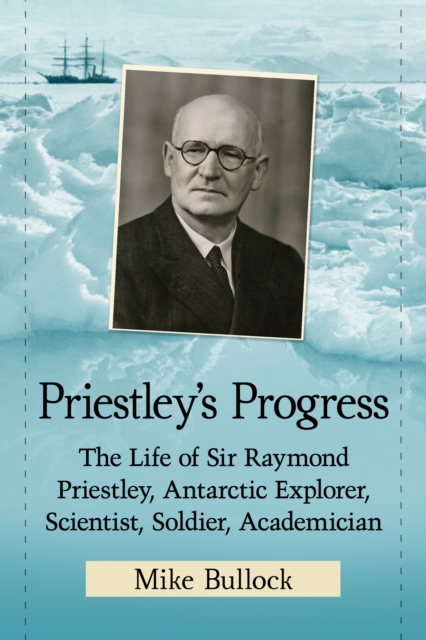
This first ever biography of Antarctic explorer Sir Raymond Priestley (1886-1974) covers his full (at times life-threatening) involvement with Sir Ernest Shackleton's 1907-1909 Nimrod Expedition and Robert Scott's 1910-1913 Terra Nova Expedition.
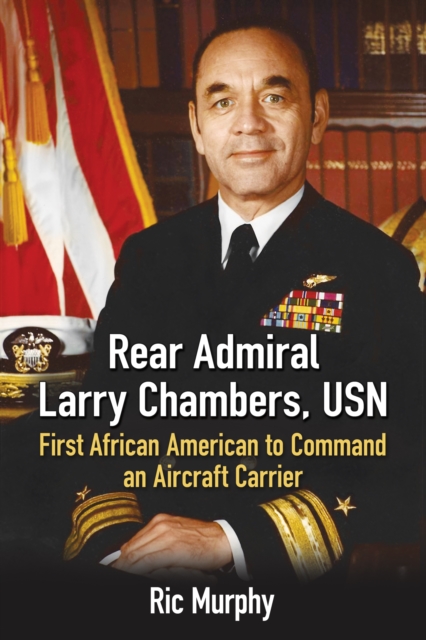
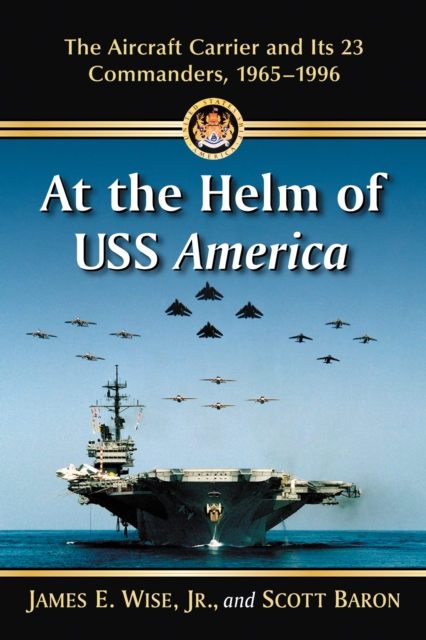
The first African-American aircraft carrier commander, Rear Admiral Lawrence Cleveland Chambers (1929- ) played a prominent role as captain of the USS Midway during the Vietnam War.
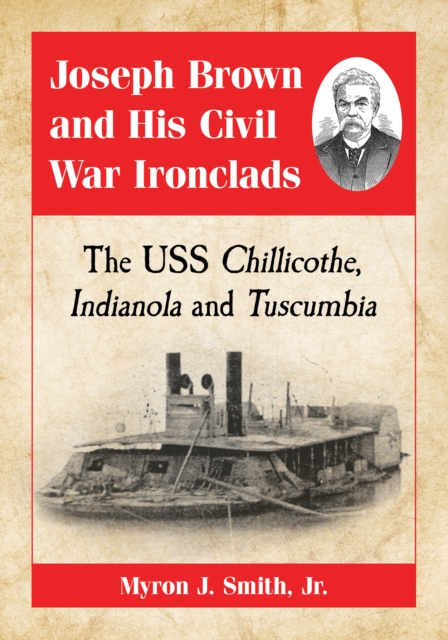
A Scottish immigrant to Illinois, Joseph Brown made his pre-Civil War fortune as a miller and steamboat captain who dabbled in riverboat design and the politics of small towns.
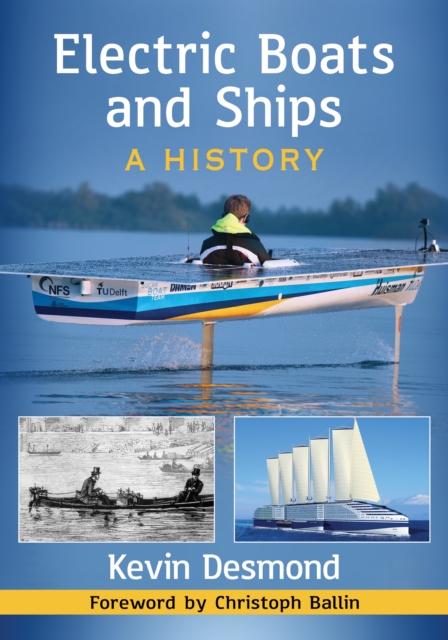
Electric propulsion for boats was developed in the early 19th century and--despite the advent of the internal combustion engine--continued with the perfecting of the modern turbo-electric ship.
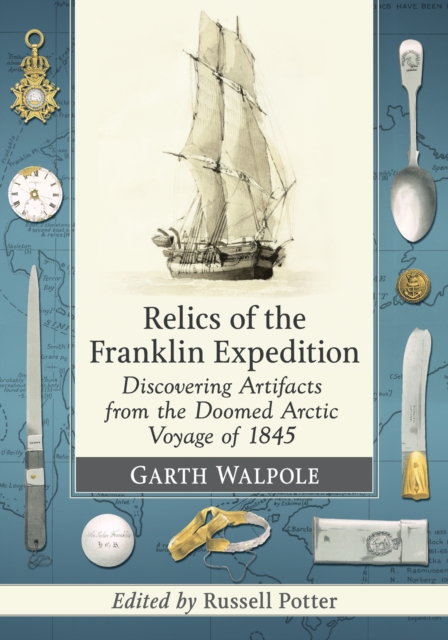
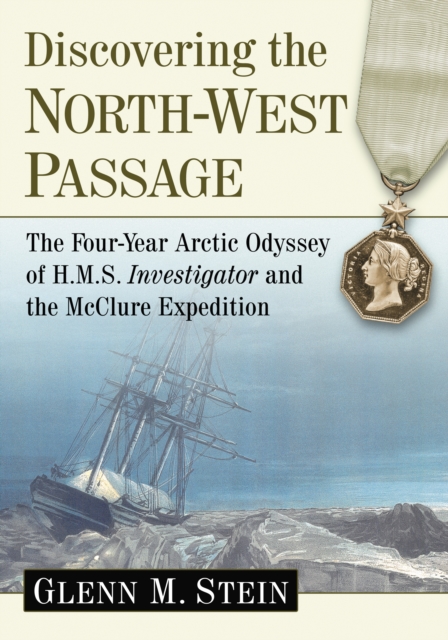
From 1850 to 1854, the ambitious Commander Robert McClure captained the HMS Investigator on a voyage in search of the missing Franklin Expedition, which sailed from England into the Arctic in 1845 to map the last uncharted section of the North-West Passage.
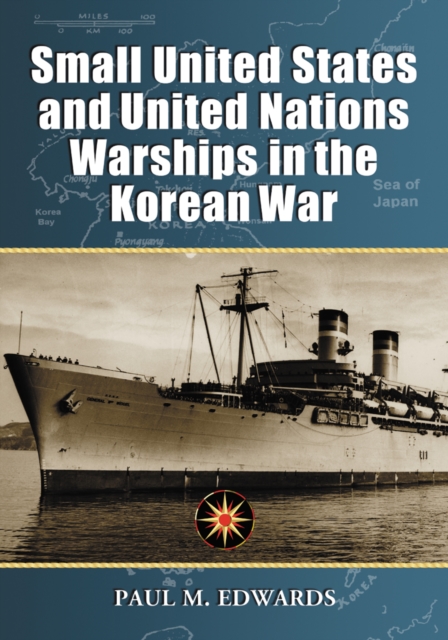
From rubber landing boats to picket boats to minesweepers, smaller support vessels did much of the work of the Korean War, and endured many of the dangers and hardships.
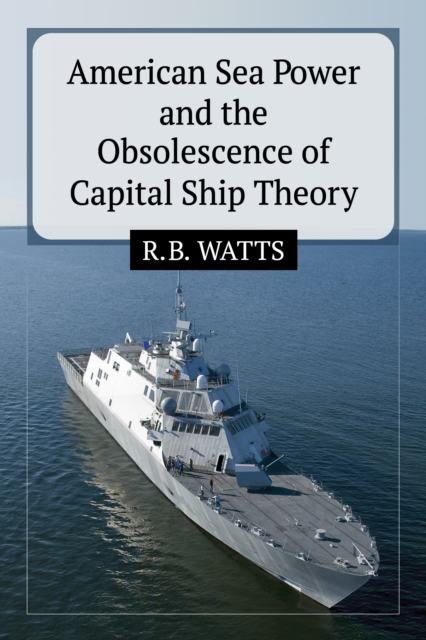
Since the beginning of the 20th century, the United States has sought to achieve Admiral Alfred Thayer Mahan's vision of "e;command of the sea"e; using large battle fleets of capital ships.
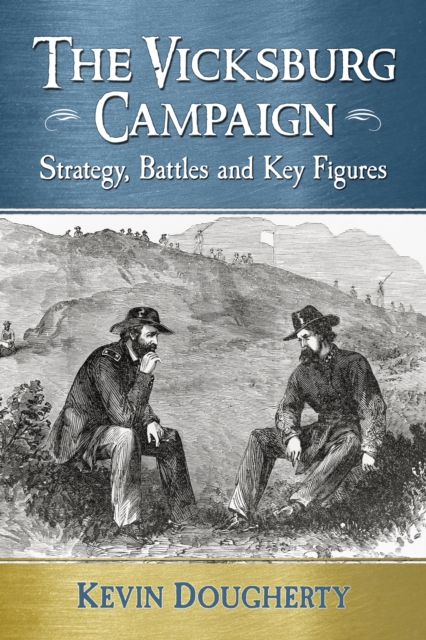
The Union victory at Gettysburg is widely considered the turning point of the Civil War but many scholars consider the capture of Vicksburg the decisive action.
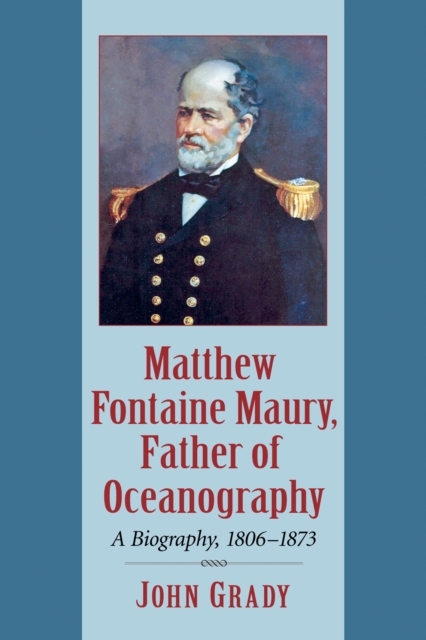
In becoming "e;a useful man"e; on the maritime stage, Matthew Fontaine Maury focused on the ills of a clique-ridden Navy, charted sea lanes and bested Great Britain's admiralty in securing the fastest, safest routes to India and Australia.
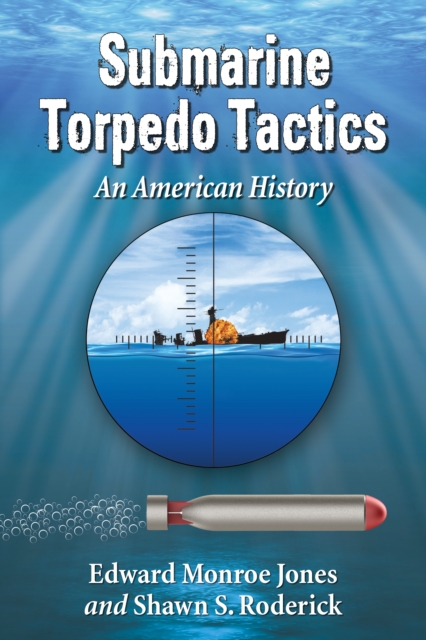
Never-before-published, firsthand accounts of under-sea action presented with a summary of torpedo tactics illustrate how a submarine's crew can hit a target trying to avoid being hit.
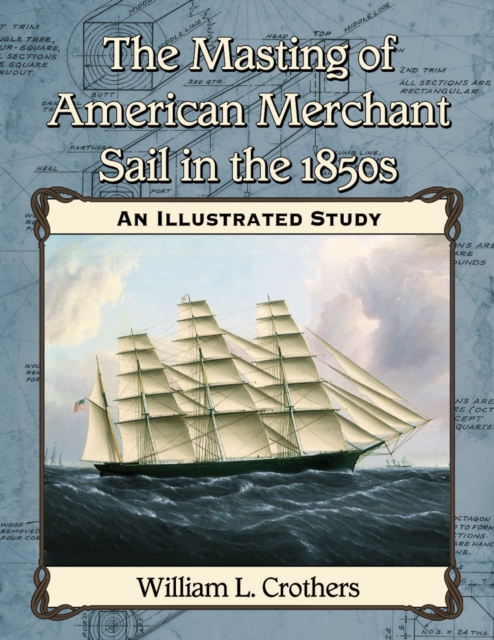
This book describes the intricacies of the construction and fabrication more than 150 years ago of masts and yards installed in American merchant vessels, particularly those spars which were "e;built"e; or composed of multiple pieces bound together by iron bands.
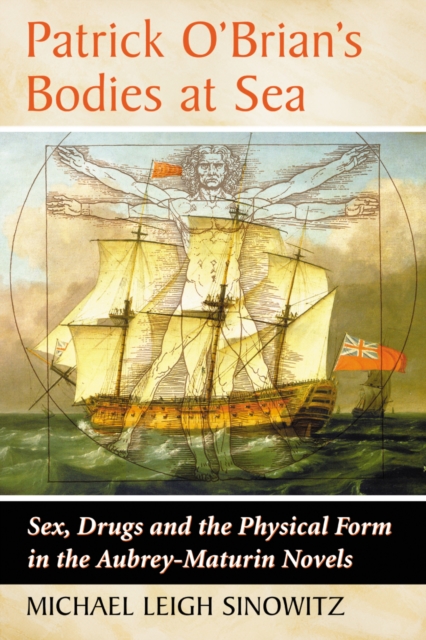
An exploration of the complex roles that bodies--both literally and figuratively--play in the 21 volume Aubrey-Maturin series reveals much about the novels' many meditations on mind and body.
For half a century Earl and Floyd Willits built some of the world's finest canoes, first near Artondale, Washington, then on Day Island, right off of Puget Sound in Tacoma.
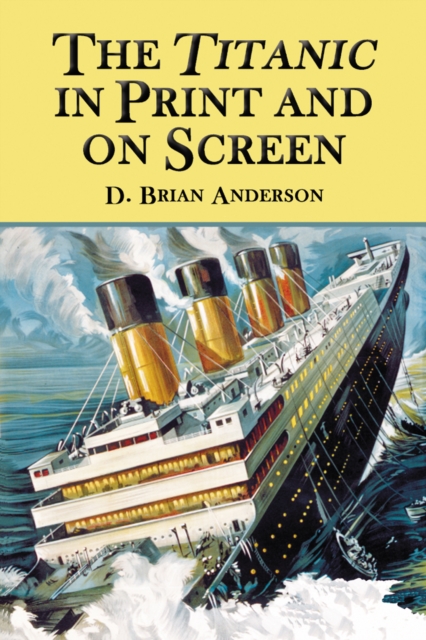
Titanic scholars contend that the demise of "e;the unsinkable ship"e; left more behind than a memory of April 15, 1912, as an important point in history.
Telling the story of the Civil War's Mississippi River Campaign through the experiences of leading officers, ordinary soldiers, and civilians, this book explains how the river campaign came to be one of the key tenets of the Union's strategy and a fundamental contributor to the war's ultimate outcome.
As the United States began its campaign against numerous Japanese-held islands in the Pacific, Japanese tactics required them to develop new weapons and strategies.
This is the first complete publication of a rare collection of letters and poems written from 1790 to 1792--many of which have never appeared in print--telling the true story of Peter Heywood, a young Royal Navy midshipman on H.
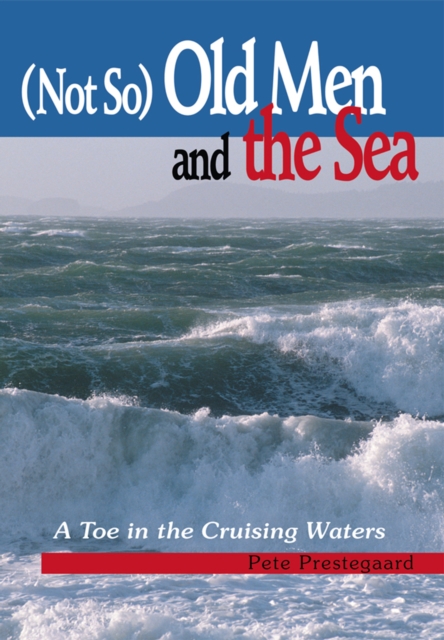
"e; The author and his First Class Mate have provided those who may be new to boating with hundreds of tips to help make their cruising experiences safe and pleasurable "e; -Jennifer Castle Field, President, Chapman School of Seamanship"e;Prestegaard's writing has style and elegance, and a way of stoking the imagination.
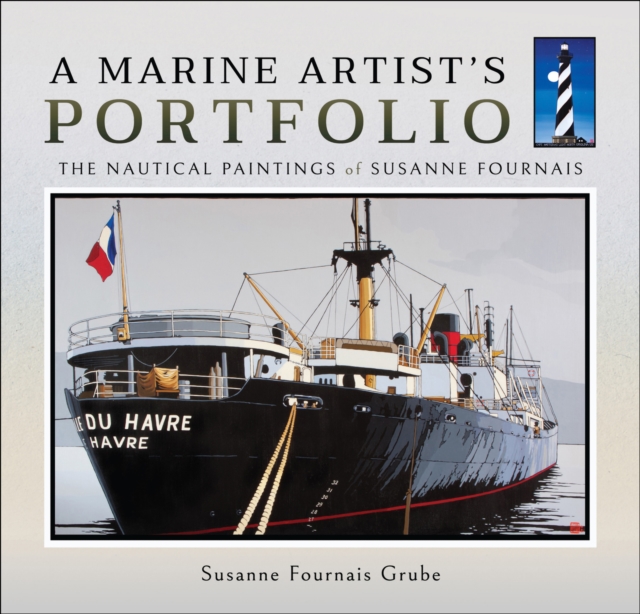
Susanne Fournaise Grube, has been painting marine scenes for over thirty years, during which time, she has produced a large portfolio of material, not only depicting ships and small craft, but also the architecture of marine buildings and light houses.
Susanne Fournaise Grube, has been painting marine scenes for over thirty years, during which time, she has produced a large portfolio of material, not only depicting ships and small craft, but also the architecture of marine buildings and light houses.
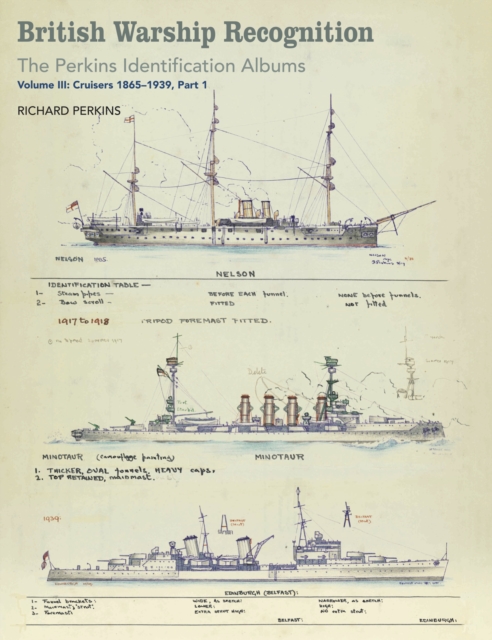
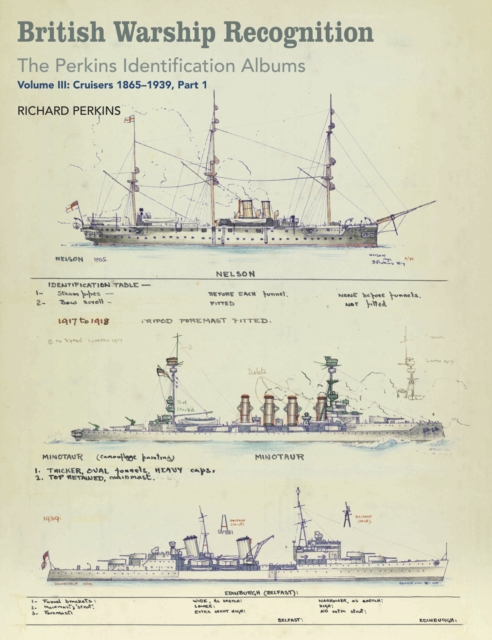
The Richard Perkins warship identification albums form one of the most detailed studies ever undertaken of the changes to the appearance of Royal Navy ships.
The Richard Perkins warship identification albums form one of the most detailed studies ever undertaken of the changes to the appearance of Royal Navy ships.