Have you ever wondered about the enigmatic figures who shaped our understanding of the world centuries ago, their legacies shrouded in myth and mystery?
Wreckers sinks the old narratives of imperialism, revealing the violent, chaotic and improvised reality of empire-building from the fifteenth to seventeenth centuries.
'Unflinchingly candid and extraordinarily powerful' DAILY TELEGRAPH'Dominic Gregory hasn't just delivered a survey of courage and determination - Lifeboat at the End of the World is a hymn to human decency, and that makes it a very timely book indeed' TIM WINTONDo you really think all lives are worth saving?
Hier verschmelzen Leidenschaft und Architektur zu einem Gesamtkunstwerk: 45 spektakulare internationale Projekte zeigen, wie Automobile, Sammlungen und Wohnraume neu gedacht und inszeniert werden.
A fascinating journey through more than 5,000 years of seafaring history in this essential guide to the most impressive seafaring tales, explorers, and maritime environments.
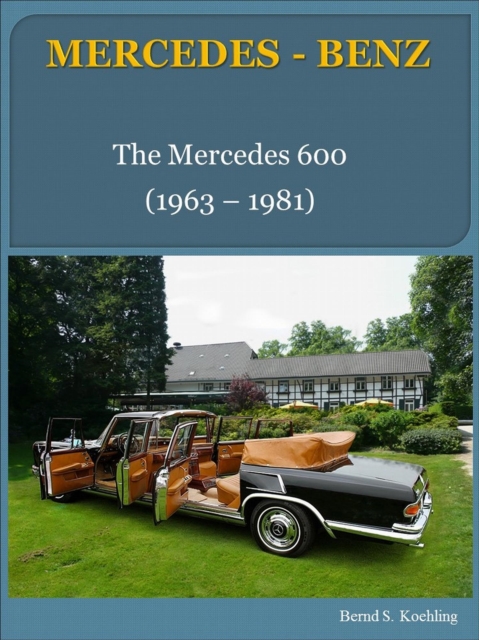
Mercedes-Benz 600 W100: 2026 EditionHistory, Technology, Special and Coachbuilt VersionsA comprehensive illustrated guide to the "e;Grand Mercedes"e;Developed without regard to cost, the 600 W100 represented the pinnacle of post-war automotive engineering.
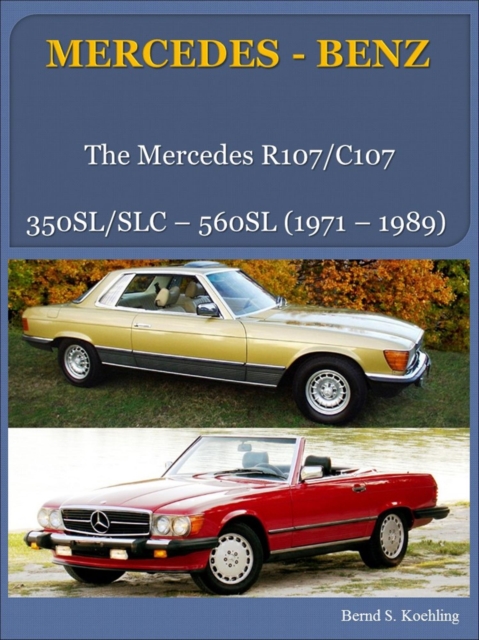
Mercedes-Benz R107 & C1072025 EditionTechnical Data, Complete Model History & Buyer's GuideIntroduced in 1971, the R107 SL became one of the longest-lived and most successful roadsters in the history of the marque.
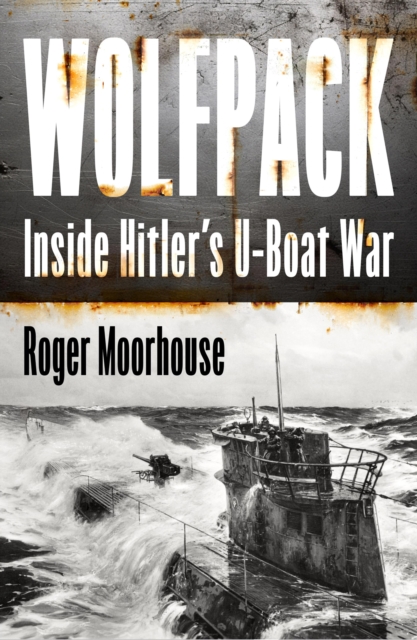
A Times Book of the Year'A superb work of history' JAMES HOLLAND'A thrilling account from a master of Second World War history' DAN SNOWA landmark history of the U-Boat war told through the experiences and recollections of the U-Boat crews themselves.
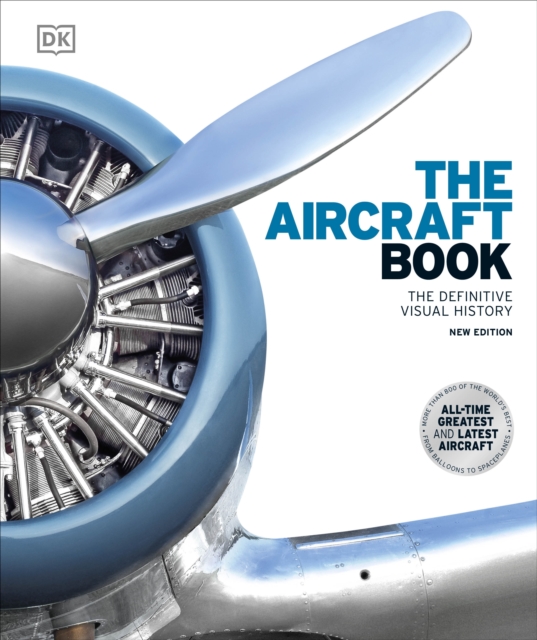
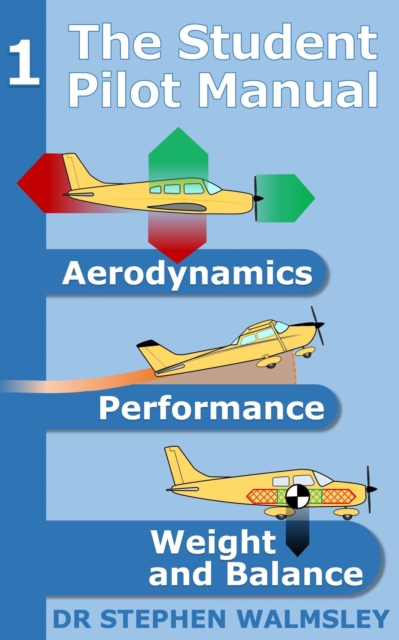
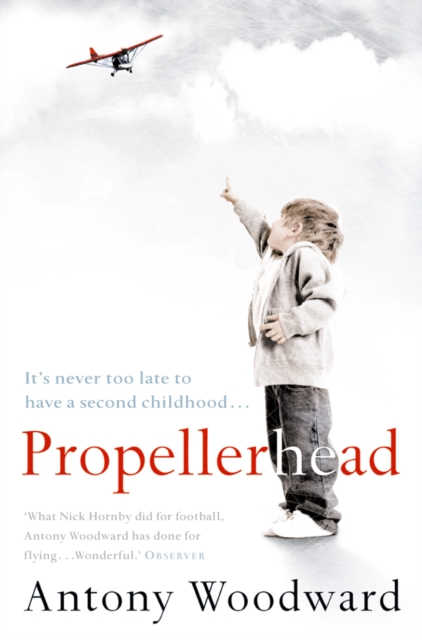
If you find yourself peering up at the sky as a plane roars past, there is a good chance you have caught the aviation bug and are fascinated by anything that flies.
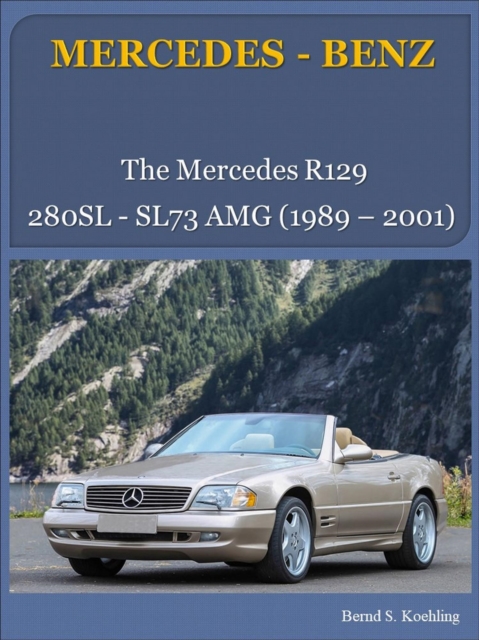
Mercedes SL R129: From the 300SL to the SL73 AMGTechnical Data, Model History & Buyer's GuideUpdated 2025 editionIntroduced in 1989, the Mercedes-Benz SL R129 combined elegant styling, advanced safety engineering, and exceptional long-distance comfort.
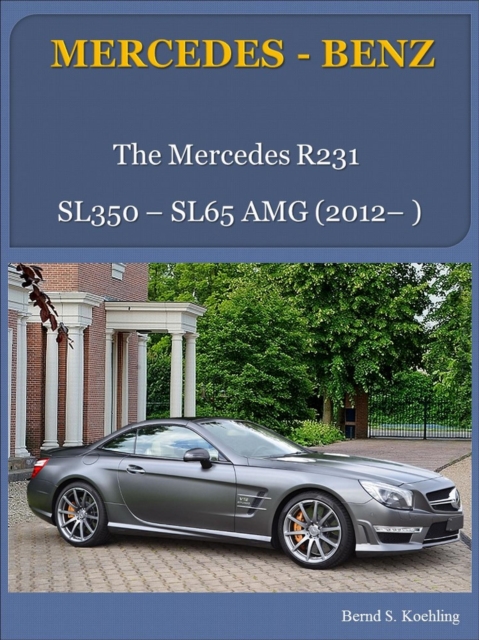
Mercedes-Benz SL R231: 2026 EditionHistory – Technology – Buyer's GuideA comprehensive guide to the aluminum-era SLIntroduced in 2012, the Mercedes-Benz SL R231 marked a major turning point in the history of the SL.
Geschichten aus dem TeamfahrzeugEine einzigartige Perspektive auf den Radsport, verfasst von einer der besten Radsportjournalistinnen der Niederlande: Ob Patrick Lefevere, Ina-Yoko Teutenberg oder Grischa Niermann: Viele Sportliche Leiter in den Profi-Teams gelten als legendare Personlichkeiten.
'One journey into a stormy Cornish night that you won't want to miss' Tom Hindle 'A fabulous, evocative setting, mysterious characters hiding dark secrets, and a plot that's as treacherous as a walk along the cliff edge in stormy weather.
**THE SUNDAY TIMES TOP TEN BESTSELLER****WINNER OF THE NERO AWARDS GOLD PRIZE BOOK OF THE YEAR****A BARACK OBAMA BOOK OF THE YEAR** An extraordinary true story of shipwreck, survival and love'An enthralling, engrossing story of survival' Bill Bryson An absolute jewel of a book India Knight A gripping tale of adventure Elizabeth Day An extraordinary survival story Sunday TimesBored of 1970s suburban life, Maurice and Maralyn plan their escape: sell the house, build a boat, set sail for New Zealand.
The all-new collection of hair-raising missteps and hilarious antics on Diddly Squat Farm, from gentleman farmer and two-time Sexiest Man Alive winner, Jeremy Clarkson.
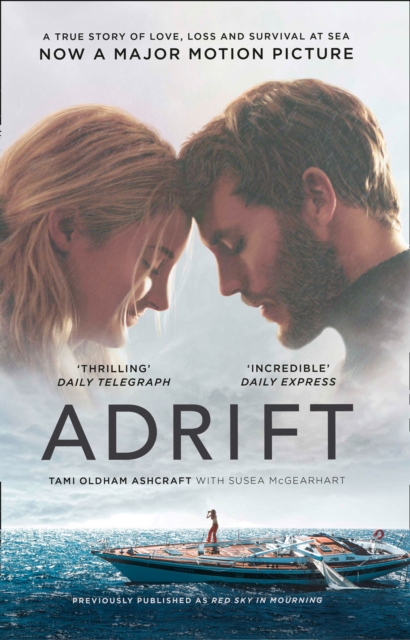
THE HEART-STOPPING MEMOIR, NOW A MAJOR MOTION PICTURE STARRING SHAILENE WOODLEY AND SAM CLAFLIN, AND DIRECTED BY BALTASAR KORMAKUR (EVEREST)A compelling, at times devastating, ultimately inspiring account of how much can go wrong on the ocean and how, miraculously, one woman conquered her own fears.
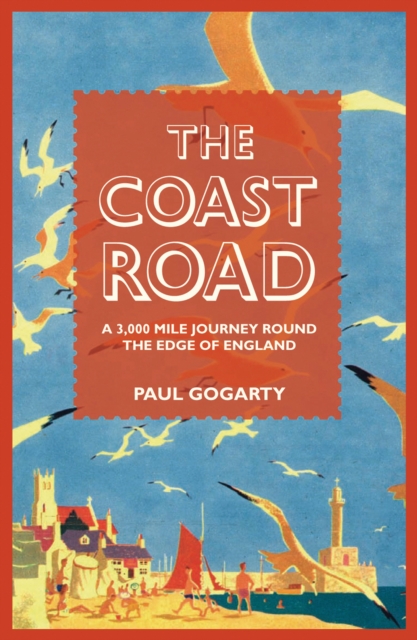
Winner of the 'Travel Narrative Book of the Year' in 2005 by the British Guild of Travel Writers (BGTW), The Coast Road presents an idiosyncratic and illuminating snapshot of England and what it is to be English today.
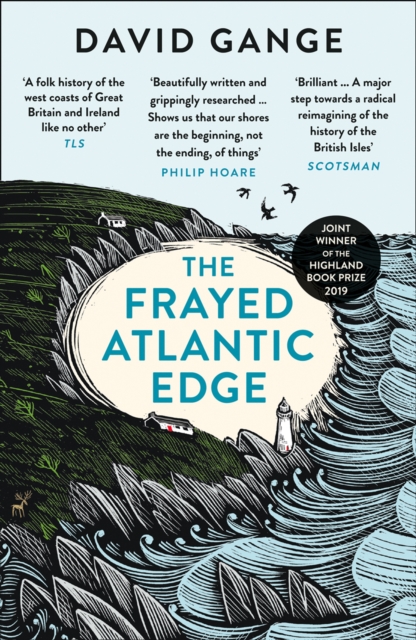
COLLECTIVE WINNER OF THE HIGHLAND BOOK PRIZE AND SHORTLISTED FOR THE WAINWRIGHT PRIZE'This is the book that has been wanting to be written for decades: the ragged fringe of Britain as a laboratory for the human spirit' Adam NicolsonOver the course of a year, leading historian and nature writer David Gange kayaked the weather-ravaged coasts of Atlantic Britain and Ireland from north to south: every cove, sound, inlet, island.
Sunday Times BestsellerAs quintessentially British as a plate of fish and chips or a British Bulldog, the boxy, utilitarian Land Rover Defender has become an iconic part of what it is to be British.
A glorious, fully illustrated insider account from Team Sky of the greatest summer in British road cycling history, as team-mates Sir Bradley Wiggins and Chris Froome go head-to-head in the quest for gloryThe summer of 2013 will be the most significant moment yet in Team Sky's short but wildly successful history and a landmark in the story of British cycling.