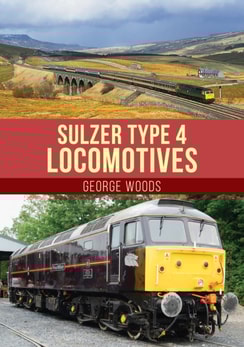
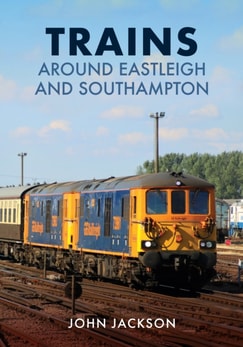
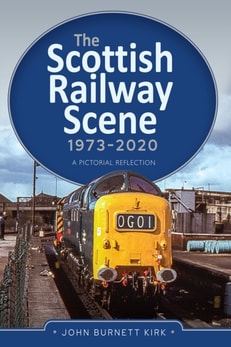
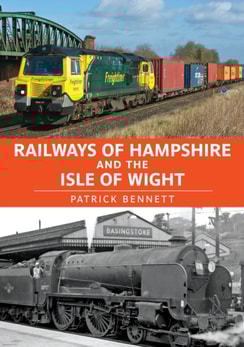
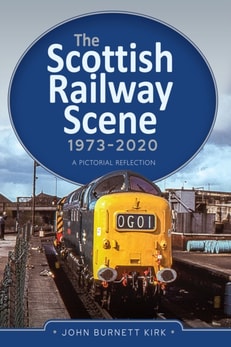
This area of the south coast of England has long been a popular 'hotspot' for enthusiasts to sample the variety of traffic on offer on today's railway.
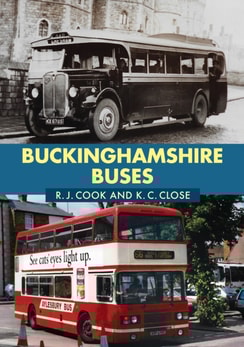
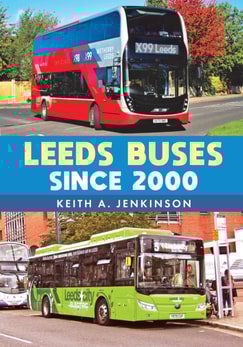
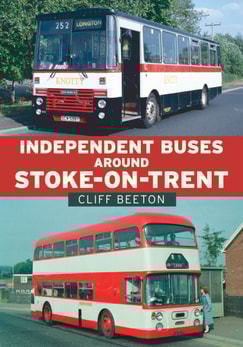
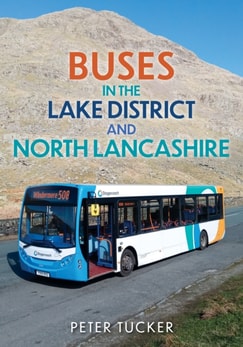
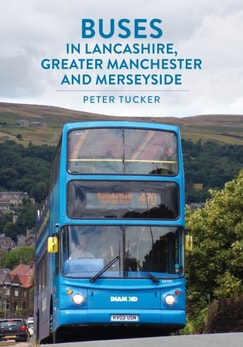
Following deregulation in 1986, the established bus operators suddenly found themselves being challenged by new independent operators, some of whom ultimately disappeared from the scene while others were swallowed up by the larger groups.
Supply and Demand Management in Ride-Sourcing Markets offers a fundamental modeling framework for characterizing ride-sourcing markets by spelling out the complex relationships among key endogenous and exogenous variables in the markets.
Whirl Flutter of Turboprop Aircraft Structures, Second Edition explores the whirl flutter phenomenon, including theoretical, practical, analytical and experimental aspects of the matter.
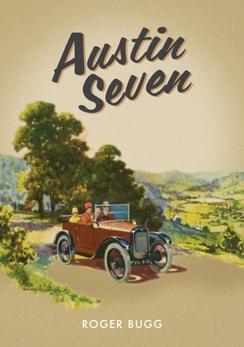
The Austin Seven was Britain's answer to the Model T Ford and brought affordable motoring to Britain and many other countries well before the VW Beetle or the Mini.
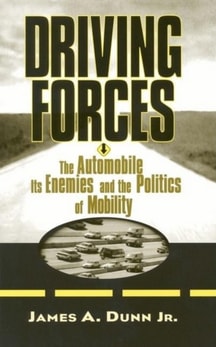
To its critics, the automobile is a voracious consumer of irreplaceable energy resources, a leading polluter of the environment, and a destroyer of cohesive communities.
Using a range of interdisciplinary ideas, Major Reward and Recognition Events: Transformations and Critical Perspectives is an expert-led, informative volume exploring the global growth of major award shows and prize-giving ceremonies since the start of the twentieth century and outlining their key multimodal components, core functions and transformations over time.
Using a range of interdisciplinary ideas, Major Reward and Recognition Events: Transformations and Critical Perspectives is an expert-led, informative volume exploring the global growth of major award shows and prize-giving ceremonies since the start of the twentieth century and outlining their key multimodal components, core functions and transformations over time.
This extensively updated third edition of the classic casebook Marine and Coastal Law provides readers with an authoritative, comprehensive, and up-to-date guide to landmark laws, regulations, and legal decisions governing the United States' vast marine and coastal resources.
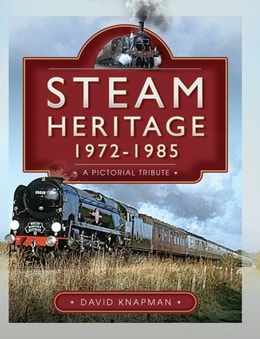
The first of two books covering the steam heritage scene, with photos of more than ninety different locomotives that have been withdrawn from active service.
It is over fifty years since the main line steam revival began in October 1971 with the return to steam by 6000 King George V, thanks to the efforts of Peter Prior and the help from the British Railways Board.
When it was launched in 1974, the Volkswagen Golf succeeded in replacing the legendary Beetle and setting new standards for the family hatchback for years to come.
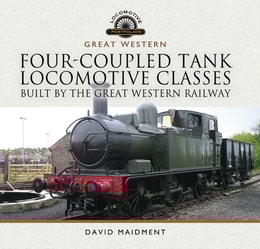
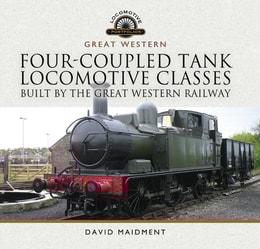
This book is a comprehensive history of all twenty-six classes of four coupled tank engines commissioned by the Great Western Railway or built at their Wolverhampton and Swindon Works, from the Broad Gauge 2-4-0 and 4-4-0 tanks of the 1840s and 1850s to the well known Collett 0-4-2 branch line engines of classes 48XX (later renumbered 14XX) and 58XX of the 1930s.
Discover the daring life story and astonishing adventures of Captain Eric 'Winkle' Brown - Britain's greatest-ever pilot 'Winkle Brown's astonishing adventures make for fascinating reading' SUNDAY TIMES'[A] thumping great biography by Britain's leading aviation historian' DAILY MAIL, 'BOOK OF THE WEEK'*MARITIME MEDIA AWARDS BEST BOOK NOMINEE*--Small in stature but immense in reputation and talent, there was more to Eric 'Winkle' Brown than met the eye.
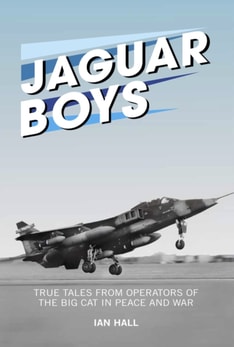
Originally intended as a trainer, the Anglo-French Sepecat jet, equipped with the very latest in weapon-aiming and navigational equipment, eventually became the backbone of the RAF’s tactical strike-attack and recce forces for a decade from the mid-1970s.
In "e;Under the North Pole: The Wilkins-Ellsworth Submarine Expedition,"e; Sir Hubert Wilkins narrates the thrilling account of an unprecedented journey beneath the icy Arctic waters.