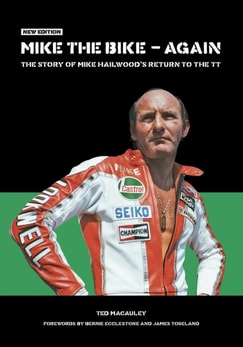
In June 1978, 11 years after he quit Grand Prix motorcycle racing, Mike Hailwood returned to the Isle of Man TT races, probably the most prestigious, and certainly the most demanding, road race in the world.
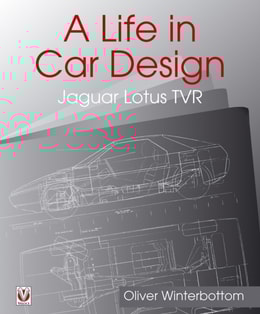
A Life in Car Design gives a unique insight into design and project work for a number of leading companies in the motor industry, including Jaguar, Lotus, TVR and General Motors.
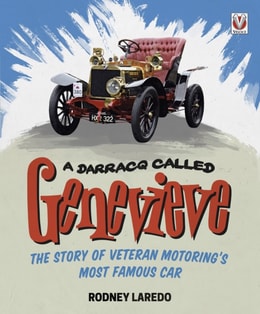
A Darracq called Genevieve is the story of the car that starred in the Bafta award-winning Genevieve, Best British Film of the coronation year 1953 with an Oscar nominated music score by harmonica player Larry Adler.
The differences between running an Indy car on a road circuit and an oval are described, as is the struggle to get the best from a car for the Indy 500 - a task which is described with unusual clarity.
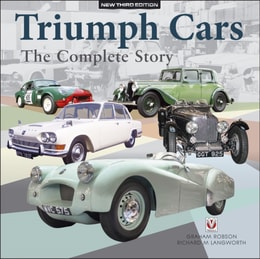
Relating the story of Triumph cars is complex enough, but to include all the earlier events which persuaded Siegfried Bettman to begin car manufacture in 1923 is even more so.
That a vehicle born in the late 1950s and ending production in 1979 would still be owned and driven today was way beyond the expectations of the original manufacturer.
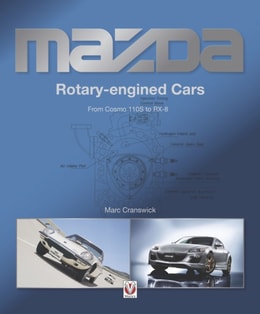
A description of the development history of Mazda's rotary power plant, and the model timelines of the vehicles these engines powered - how one small Japanese automaker remained independent and became famous using a unique engine.
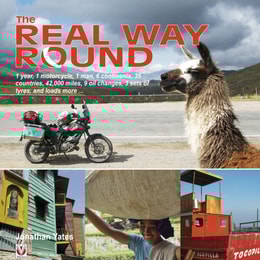
One man's real-life experience of motorcycling solo around the globe - no back-up teams, no spare bikes, no film crews - just him and his Yamaha Tenere XT660, travelling 42,000 miles through 6 continents and 35 countries, seeing amazing things; meeting fascinating people; experiencing different cultures, and coping with extremely challenging conditions.
The book follows the story of the car named after Enzo's son from its first appearance in 1965 as a styling exercise, through to the last production car, built in 1973.
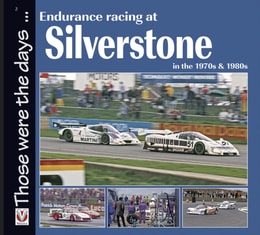
Changes to regulations for sports car racing in the late 1970s paved the way for a golden era of endurance racing in the 80s, with the likes of Porsche, Lancia, Jaguar and Mercedes all vying for the World Sportscar Championship.
There's popping out for a quick pint, and then there's this - a gloriously preposterous 27,000 mile journey across 25 countries to grab a beer in pubs (bars) at opposite ends of the world.
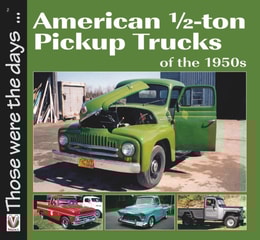
American 1/2-ton Pickup Trucks of the 1950s reveals the important role played by the lightweight, high-production, and basic A1/2-ton pickup truck in American post-war society, a role often overshadowed by its innate ruggedness, reliability and utilitarian nature.
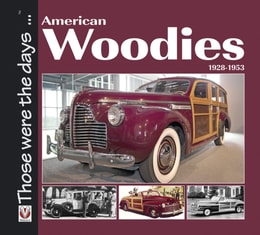
This highly illustrated study examines the rise in popularity of the Woody station wagon in North America, from the introduction of the Ford Model A in 1928, up to the last Woody built by Buick in 1953.
Mercedes-Benz Trucks is not only the first new book examining the history and development of Mercedes-Benz trucks in decades, but is also the first to examine the brand's truck products and operations from a truly global perspective.
The Jaguar XJ220, the fastest, most exciting and most expensive road-going Jaguar ever built, evolved from Jim Randle's sensuously-shaped 1988 UK Motor Show concept car.
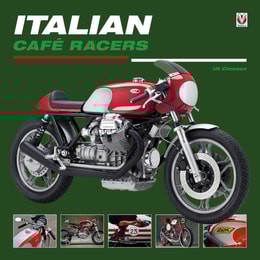
There have been plenty of books published about Italian motorcycles, and a few covering the cafe racer genre, but none has covered the evolution of the Italian sportsbike into the Italian cafe racer - until now.
From a small design team working on the Silver Spirit/Mulsanne, to becoming Chief Stylist, Graham Hull peels back the curtain on an idiosyncratic institution during his time at Crewe.
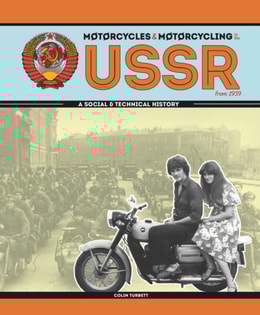
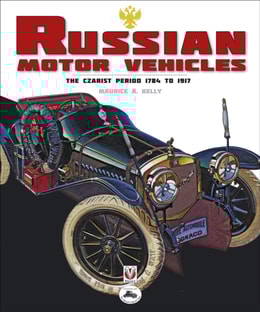
Whilst many books have appeared concerning Russian aircraft, railway locomotives and naval craft, there has been nothing published outside of Russia concerning the activities of its motor industry.