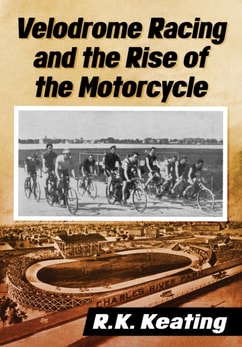
A hybrid machine--powered at times by steam, electricity or internal combustion--the motorcycle in its infancy was an innovation to help bicycle racers go faster.
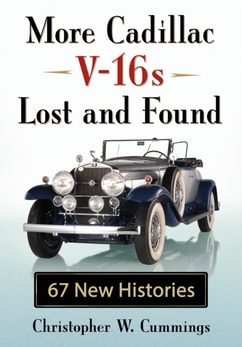
In 1930, Cadillac rolled out a line of new cars of unsurpassed elegance and craftsmanship that would launch the company into the top tier of luxury carmakers.
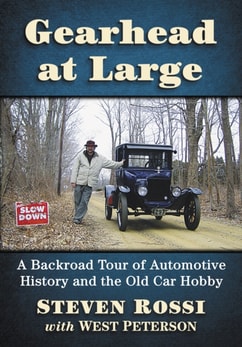
A popular feature in Antique Automobile magazine, Steven Rossi's columns open up the world of old cars, transporting readers to earlier times from the age of horseless carriages through the evolution of cars and car culture.
Perhaps more than all the campaigns of the Union armies, the Union naval blockade--covering all major Southern ports along 3,500 miles of coastline for the duration of the war--brought down the Confederacy.
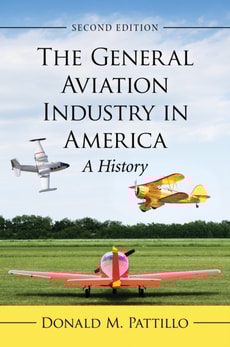
The industry known as "e;general aviation"e;--encompassing all flying outside of the military and commercial airlines--dates from the early days of powered flight.
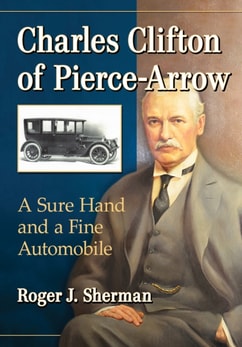
As head of Pierce-Arrow in its formative years, Colonel Charles Clifton played a significant role in the development of a venerated automobile manufacturer.
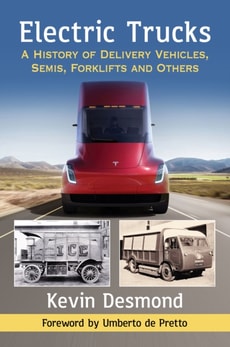
Welcomed at end of the 19th century as the solution to the severe problem of horse manure in city streets, electric trucks soon became the norm for short-haul commercial deliveries.
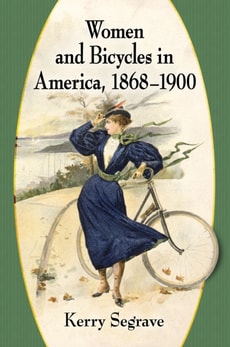
From the earliest "e;velocipedes"e; through the advent of the pneumatic tire to the rise of modern road and track competition, this history of the sport of bicycle racing traces its role in the development of bicycle technology between 1868 and 1903.
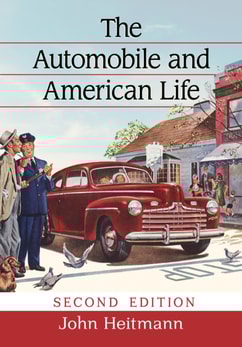
Now revised and updated, this book tells the story of how the automobile transformed American life and how automotive design and technology have changed over time.
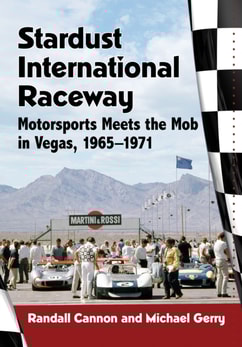
Professional motorsports came to Las Vegas in the mid-1950s at a bankrupt horse track swarmed by gamblers--and soon became enmeshed with the government and organized crime.
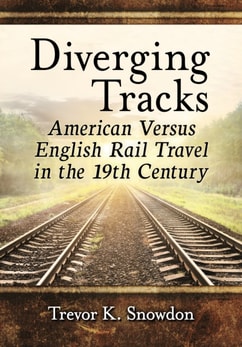
The advent of mass railroad travel in the 1800s saw the extension of a system of global transport that developed various national styles of construction, operation, administration, and passenger experiences.
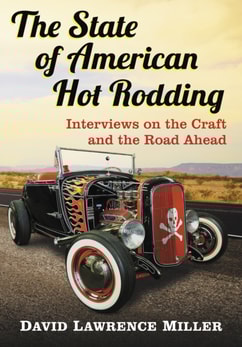
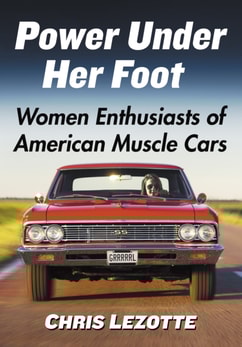
As the automotive world looks towards a future of electric vehicles, driverless technology and anonymous styling, what can be learned from the individuals who resist these trends and cling to their love of street rods and muscle cars?
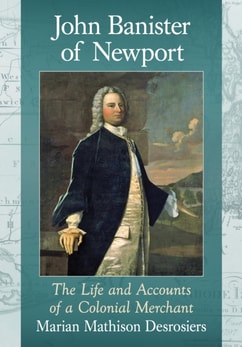
Merchant John Banister (1707-1767) of Newport, Rhode Island, wore many hats: exporter, importer, wholesaler, retailer, money-lender, extender of credit and insurer, owner and outfitter of sailing vessels, and ship builder for the slave trade.
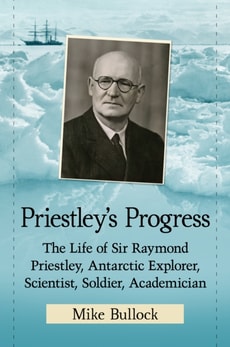
This first ever biography of Antarctic explorer Sir Raymond Priestley (1886-1974) covers his full (at times life-threatening) involvement with Sir Ernest Shackleton's 1907-1909 Nimrod Expedition and Robert Scott's 1910-1913 Terra Nova Expedition.
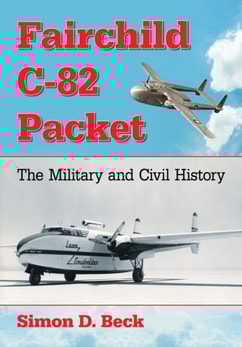
Originally designed as a cargo and paratroop transport during World War II, the Fairchild C-82 Packet is today mainly remembered for its starring role in the Hollywood film The Flight of the Phoenix (1965).
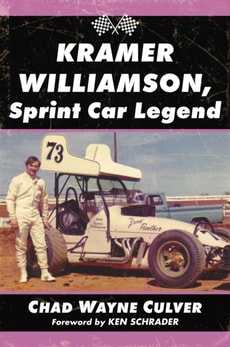
Sprint Car Hall of Famer Kramer Williamson began his 45-year professional career as a grassroots racer from Pennsylvania and became one of the most successful and beloved professional drivers of all time.
Trained as a photo reconnaissance unit, Marine Observation Squadron 251 ended up serving as a fighter squadron for the duration of World War II, shooting down 32 Japanese aircraft.
The first African-American aircraft carrier commander, Rear Admiral Lawrence Cleveland Chambers (1929- ) played a prominent role as captain of the USS Midway during the Vietnam War.
A Scottish immigrant to Illinois, Joseph Brown made his pre-Civil War fortune as a miller and steamboat captain who dabbled in riverboat design and the politics of small towns.
The truck's role in American society changed dramatically from the 1960s through the 1980s, with the rise of off-roaders, the van craze of the 1970s and minivan revolution of the 1980s, the popularization of the SUV as family car and the diversification of the pickup truck into multiple forms and sizes.