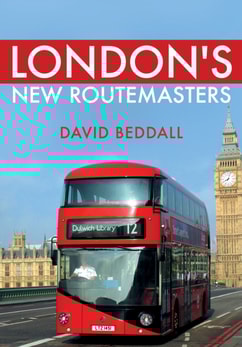
Inspired by the AEC Routemaster, the New Bus for London, later renamed the 'New Routemaster', was the first bus specifically built for use in London since 1968, when the last Routemaster machines were constructed.
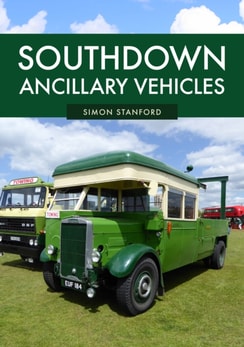
Southdown Motor Services, renowned for their impressive fleet of green and cream buses and coaches, also operated an impressive fleet of ancillary vehicles.
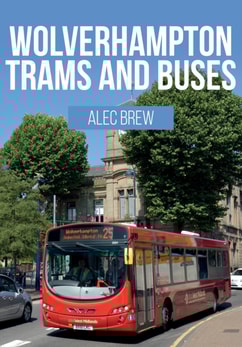
When Wolverhampton's horse-drawn trams were replaced by the unusual surface-contact Lorain system electric trams in 1902, it was one of the first such networks in the country.
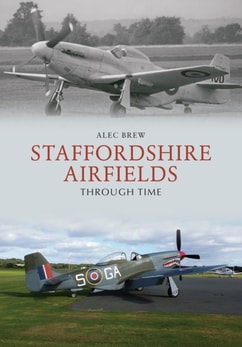
From some of the first ever airfields in Great Britain, through the municipal airports of Stoke, Walsall and Wolverhampton, to a total of eighteen RAF airfields in the Second World War, Staffordshire has always embraced aviation.
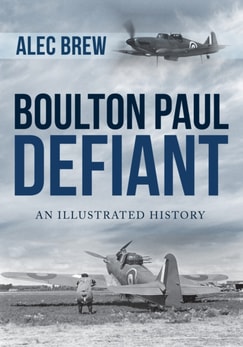
Fighting over the beaches of Dunkirk and in the Battle of Britain, guarding the night skies during the perilous months of the Blitz, pioneering electronic countermeasures, and serving air-sea rescue roles all around our coasts, the Boulton Paul Defiant played a vital part through most of the Second World War, finishing it in the important target-tug role.
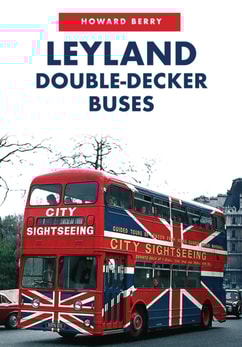
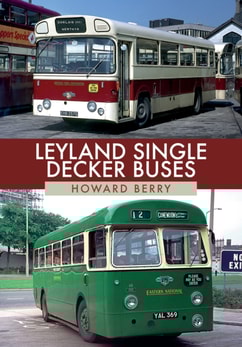
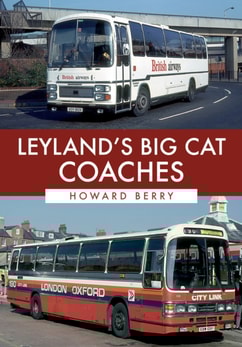
From demonstrating a petrol-engined double-decker at the 1905 Commercial Motor Show to building huge 100-seat Olympians for the overseas market, the Bus and Coach Division of Leyland built thousands of vehicles for markets all over the world.
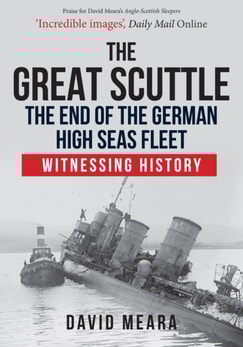
After the German surrender in November 1918, the German High Seas Fleet was interned at Scapa Flow in the Orkney Islands, the anchorage for the Royal Navy's Grand Fleet throughout the First World War.
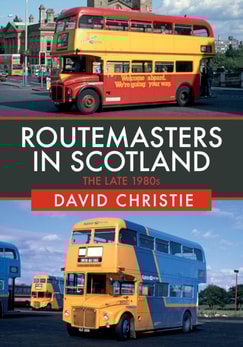
The deregulation of the bus industry in 1986 led to the formation of new bus companies in Central Scotland such as Clydeside, Kelvin, Strathtay and Magicbus (Stagecoach).
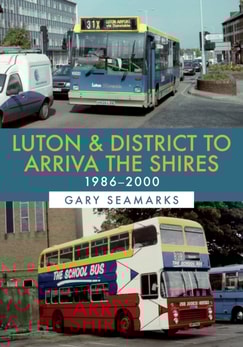
Luton & District was formed in 1986 to operate the former southern depots of United Counties; it was sold by NBC to its employees in 1987 (a first), then sold again in 1994 to British Bus.
Whether your interest is police, fire, ambulance or associated emergency and rescue services, this fully illustrated book of nearly 200 images captures the 999 services of the west of England going about their daily business.
The ideas behind the Grumman F-14 Tomcat first began to take shape back in the late 1950s when it was discovered that the Soviet Union was quickly developing an increasingly accurate airborne missile system that would pose a major threat to the US Navy's warships.
After the 1969 nationalisation, bus and coach companies had generally continued with their traditional liveries and, in 1971, it was decided the time had come to apply a corporate image to state-owned bus operations.
Two things made the battleship possible: the harnessing of steam for propulsion and Britain's vast industrial power in the late eighteenth and early nineteenth centuries.
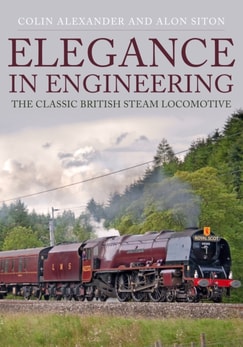
Elegance in Engineering showcases an interesting and diverse collection of British-built steam locomotives from all builders, for railways at home and abroad.
Roaring through the millennium into the twenty-first century we find the Transport Act 2000 that allows for increased cooperation between local authorities and operators, something that had not been allowed previously under competition legislation.
The 'British' period in the Middle East began with Lawrence of Arabia's attacks on the Hedjaz Railway in the First World War and the eventual defeat of the Ottoman Empire.
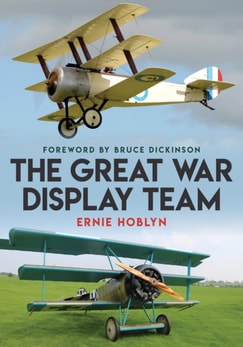
The Great War Display Team was founded in 1988 and has since gone on to become one of Britain's premier display teams, with a wealth of talented pilots passing through its ranks and amazing crowds with a variety of recreated aircraft including Fokker Dr1s, Royal Aircraft Factory S.
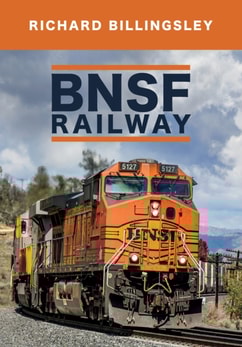
With tracks and trackage rights that cover more than half of the states in the union, the Burlington Northern & Santa Fe is one of the true giants not just of the United States, but of the entire global rail scene.
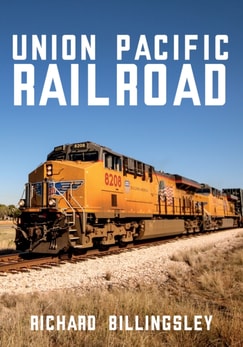
One of the giants of American railroading, the Union Pacific Railroad serves a huge swathe of the Mid and Western United States, from the Great Lakes and the Deep South to the Pacific coast.
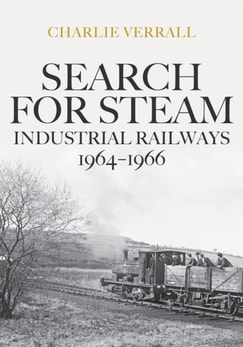
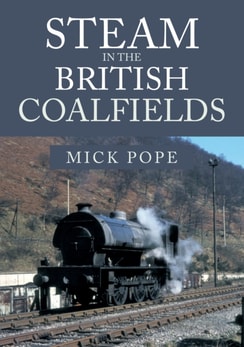
Continuing on from his volumes focusing on the British Rail main line, Charlie Verrall delves into his archives again to showcase some of his images documenting steam workings in British industry in the 1950s and 1960s.
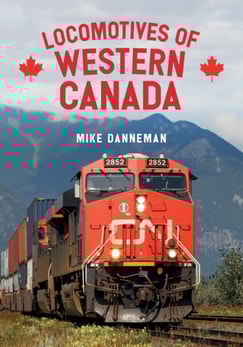
The mountains of Alberta and British Columbia in western Canada have always challenged the resolve of the railways that worked their way west, opening up the country.
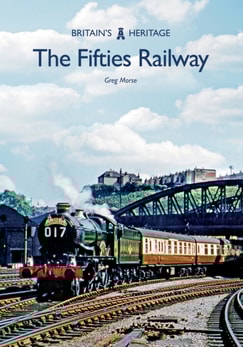
Being a lover of steam locomotives is a bit like chasing a setting sun - with the real diehards searching out survivors further and further from their home territory.
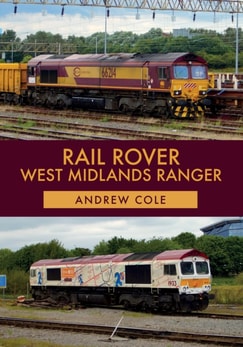
This is a photographic tribute to the West Midlands Day Ranger, aiming to show how times have changed over the years in the West Midlands and surrounding areas.
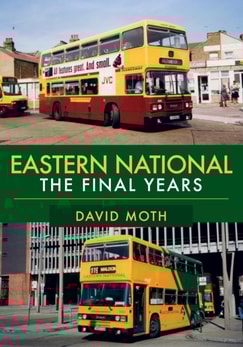
This book captures the final decade of the Eastern National name, starting with the company becoming part of the ever-expanding Badgerline Group in April 1990.
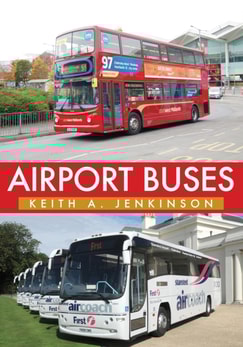
All of Britain's airports are served by buses and coaches in some form or other, whether it be by regular services from nearby towns and cities, those many miles away, or by buses connecting them with the airport's own long-stay or off-site car parks, and a few airports are also connected by rail and tram networks.
This collection of 200 posters from the archives of British Airways provides a stunning visual history of air travel from the earliest days to the present.
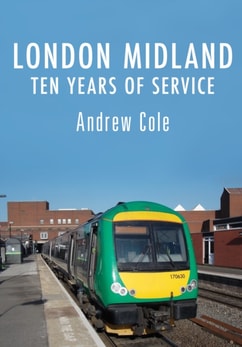
Operated by the Govia Group, London Midland commenced operation in November 2007, combining the former Silverlink franchise with parts of the former Central Trains franchise.
Although the railways weren't the first type of mass holiday transport - that prize goes to the steamships that preceded them - they helped develop many of Britain's favourite seaside resorts.
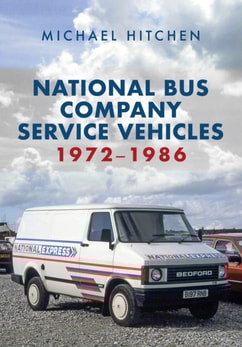
Throughout the 1970s and early 1980s the state-owned National Bus Company, with its familiar corporate livery, was a common sight across much of England and Wales.
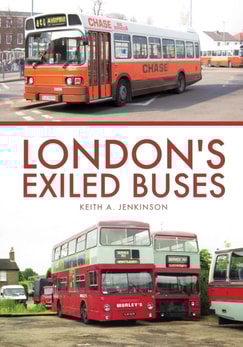
Since 1952 former London buses have found new homes across the whole of the UK as well as in over seventy countries across the world, and this book takes a wide look at those that gained new lives outside the capital.
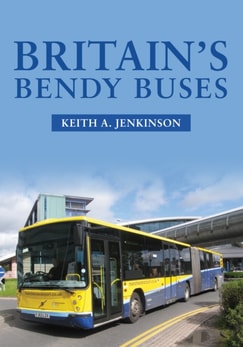
Unlike other parts of the world, Britain was slow to start operating bendy buses and, despite the first ones appearing in service in Sheffield in 1978, it was not until 1985 that the next examples made their appearance, again in Sheffield.
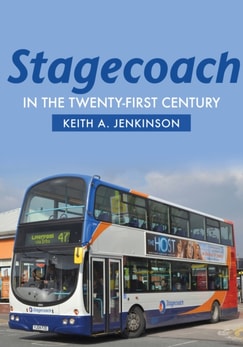
Carrying on the story of Stagecoach, this volume looks at the company's continuing growth across the UK and its various overseas ventures, which took it to Hong Kong, mainland Europe, the USA, Canada and New Zealand.
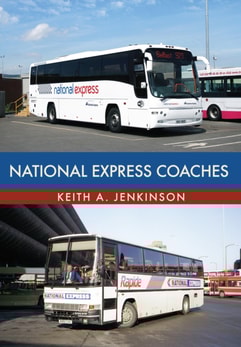
Although several coaching pools for express services were established in the late 1920s, it was not until 1972, three years after the formation of the National Bus Company, that a nationwide, fully coordinated express coach network came into being under the National banner.