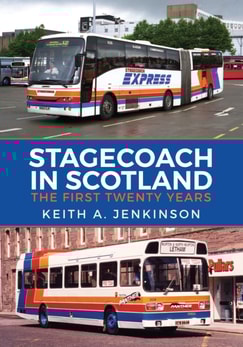
Starting in October 1980 as a small coach operator with two coaches and a service from Glasgow to London, Stagecoach rapidly developed throughout Scotland in the 1980s and 1990s when it purchased three major Scottish Bus Group companies and a number of smaller independent operators before floating on the stock market as a plc.
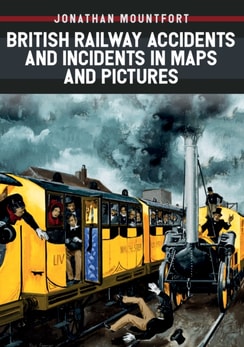
British Railway Accidents and Incidents in Maps and Pictures describes some of the most interesting incidents that have occurred on Britain's railways over the last 200 years.
British traditional working boats are famous - Morecambe Bay prawners, Manx luggers, Scots fifies and zulus, Lowestoft and Yarmouth drifters, Yorkshire cobles, Colchester smacks, Hastings beach boats, Brixham trawlers, and many others.
The Triumph Trident was a ground-breaking three-cylinder 750cc motorbike that was ahead of its time, though pipped to the production post by the Honda CB750 Four.
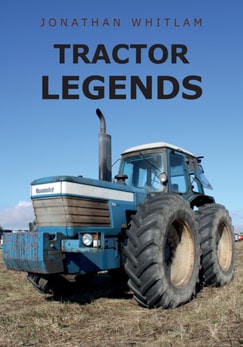
This book covers the tractor models that have stood out, from the early twentieth century to the present day, either because of their innovative design and engineering features or because they set new standards in reliability and popularity.
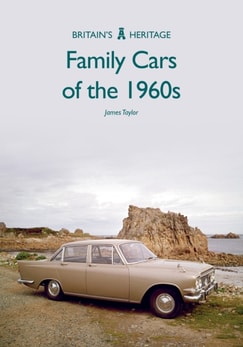
The 1960s saw car ownership take off in Britain, as the newly opened motorways created new opportunities for travel - on family holidays, to visit relatives, or for work.
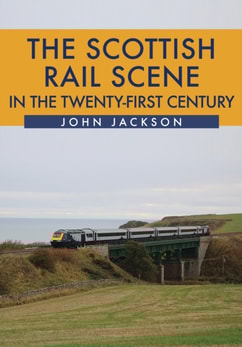
The latest figures reveal that just under 100 million passenger journeys are made annually from over 350 stations in Scotland, but services from these stations vary widely.
A pictorial journey along the famous rail route from London to the West of England, well known by thousands of travellers and holidaymakers over the years, this book will show many of the views that are so familiar, along with the branch lines that offer links to resorts such as Torquay, Looe, Newquay and St Ives.
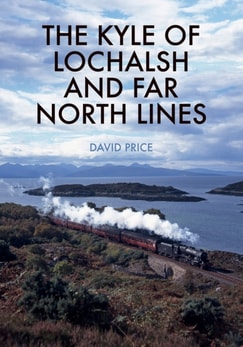
The railway system to the north and west of Inverness passes through some remote and beautiful parts of Scotland and there is a varied mix of scenery to enjoy from the train, including farmland, mountains, lochs, moorland and spectacular coastal stretches.
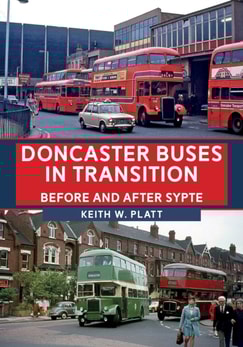
The period after April 1974 brought about major and irrevocable changes to bus operations in Doncaster and the surrounding communities to the north-east of the town.
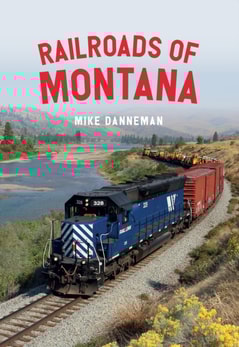
The slogan 'The Last Best Place' certainly describes well the huge state of Montana, which stretches some 630 miles across and is located in the north-western United States.
Following the end of steam on the network, many stations were devoid of notebook holding, camera toting enthusiasts on the ends of busy station platforms.
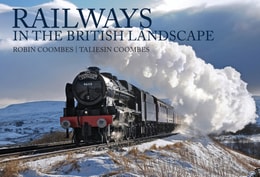
A thin pair of steel ribbons across town and countryside, along sea walls, over remote and lonely Highland moors, through tunnels, and carried on magnificent viaducts - the special association between railway and landscape is explored in this photo essay by two of the UK's best-known railway photographers, one of whom was named the Sunday Times 'Take A View' Young Landscape Photographer of the Year.
The Bulleid Pacifics remain one of the most iconic classes of locomotives in the history of Britain's railways - a unique breed that delighted enthusiasts all around the Southern Region.
The London to Brighton run, held each year by the Historic Commercial Vehicle Society, is a key date in the diary of any vintage vehicle enthusiast or member of the preservation community.
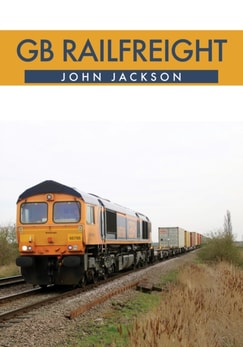
Formed in 1999, GB Railfreight was one of several new rail freight operators to appear after the privatisation and break-up of British Rail in the 1990s.
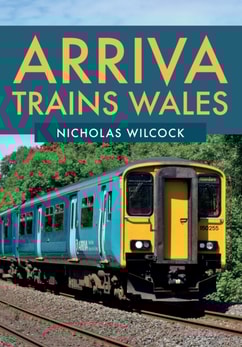
Since their introduction in 1984, the Class 150 series of 'Sprinter' diesel multiple units have plied their trade across the UK - from Cornwall to Scotland and many places in between - replacing large numbers of aging 1950s-built rolling stock.
Formed in 2003, Arriva Trains Wales was awarded the franchise to run the majority of services in Wales with services also extending over the border to Manchester, Birmingham and Cheltenham.
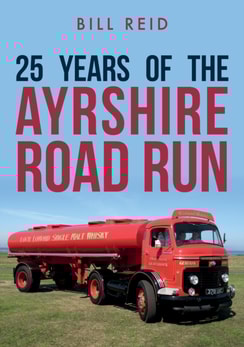
The Ayrshire Road Run was instigated in 1993 as an adjunct to the established annual vintage rally organised by the Ayrshire Vintage Tractor & Machinery Club (AVT&MC).
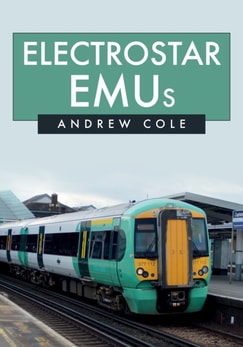
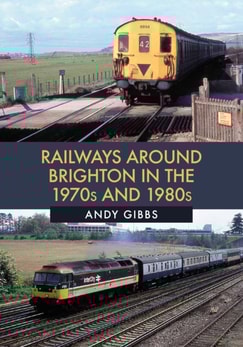
While Brighton is synonymous with EMUs and commuter trains, over the years there has also been some limited freight and parcels traffic and, eventually, the reintroduced direct services to the Midlands and North West brought further variety to the scene.
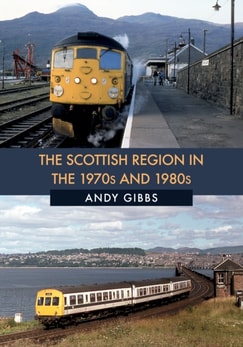
Scotland has always been an attractive destination for rail enthusiasts - a place with picturesque scenery and a variety of traction scattered across the country, with the BR Blue era offering a wonderful juxtaposition between the grit of the hardworking locos and their more serene surroundings.
The Midlands has always offered a range of interesting locales for the rail enthusiast - Nottingham, Guide Bridge, Birmingham New Street and, of course, Crewe.
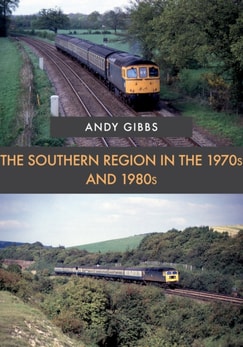
Travelling around the Eastern Region in the 1970s and 1980s meant Deltics and then HSTs on the East Coast Main Line; long and slow freight trains crawling across an industrial landscape; rattling DMUs running between large grey cities or picturesque villages.
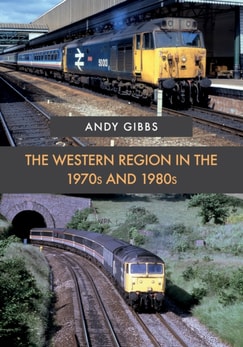
Roving around the Western Region in the 1970s and 1980s often meant making your way to Reading or Bristol Temple Meads before branching out further afield - South Wales and vast swathes of the West Country were within reach, and intrepid young photographers could reach favoured locations such as the sea wall at Dawlish, or seek out somewhere a little more unusual.
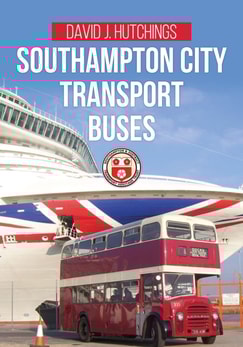
With a wealth of rare and previously unseen images, Southampton City Transport Buses illustrates the development of mainly diesel-powered buses operated by Southampton City Transport and its successors since the early years of the twentieth century until recent times.
East Anglia can sometimes be overlooked in favour of the larger mainlines that run through this country but, as can be seen by this exhibition of the sights found within the boundaries of an Anglia Day Ranger, it can be an interesting and often picturesque place to spend time on the rails.
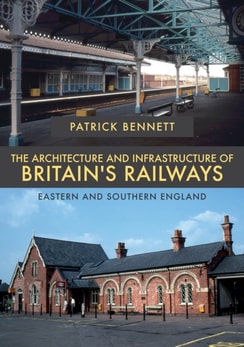
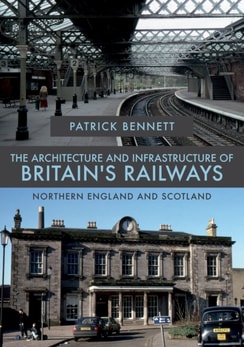
The range and variety of British railway stations is truly astonishing: from the tiny wayside halt made of corrugated iron to the magnificent stone-built city centre terminus.
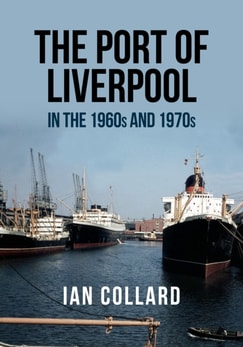
In the 1960s and 1970s, many of the traditional shipping companies trading or based in Liverpool slowly vanished because of containerisation or competition from passenger aircraft.
The range and variety of British railway stations is truly astonishing; from the tiny wayside halt made of corrugated iron to the magnificent stone-built city centre terminus.
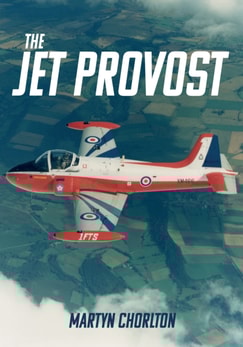
Initially designed and built by Hunting Percival, the Jet Provost was a jet-powered development of the piston Provost trainer, which only entered service five years before its more powerful younger sibling.
The Vought F-8 Crusader was a classic post-war aircraft; loved by its pilots, this big machine was nicknamed 'The Last of the Gunfighters' because of its primary armament of four 20 mm Colt cannon.
Becoming the fourth largest aircraft manufacturer in the United States when Consolidated merged with Vultee in 1943, Convair quickly built a reputation for designing and building some of the largest and most powerful aircraft in the world.