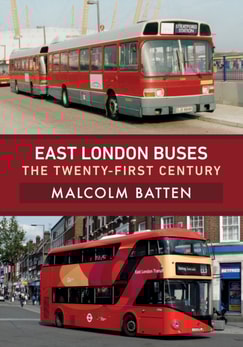
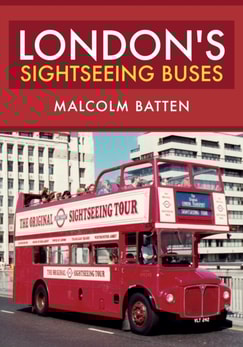
The start of the twenty-first century saw a flurry of bus activity at Stratford in East London to provide services to the Millennium Dome - this proved to be largely unneeded.
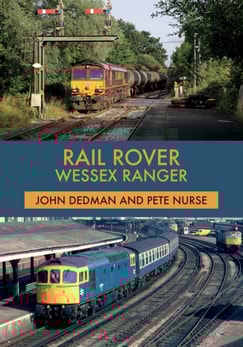
Here, John Dedman and Pete Nurse look back on the heyday of the Day Ranger and Rover tickets on the South Coast, covering areas stretching between Portsmouth Harbour and Weymouth Quay.
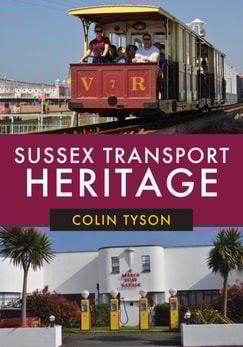
Ever since the Romans built Stane Street from London to Chichester and pedlars used the high ridge-line tracks across the South Downs, Sussex has needed strategic transportation as an aid to commerce and its ever-growing population.
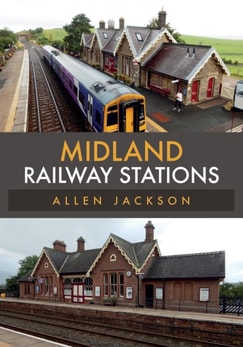
The Midland Railway accrued its vast wealth through coal, and while bank interest rates were paying about 3 per cent the Midland Railway was paying double that on its shares.
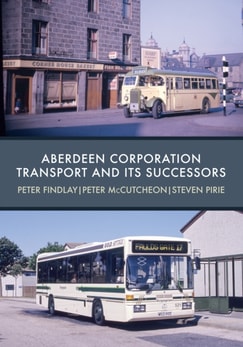
Aberdeen Corporation Transport and its successors, Grampian Transport and FirstBus/First Aberdeen, can trace their history back to 1898 when they commenced tram operation within the city of Aberdeen.
Dating back to 1921 and originally operating from a base in the small Northamptonshire town of Irthlingborough, United Counties expanded significantly during the 1920s and 1930s, firmly establishing themselves in the county of Northamptonshire, as well as a network of services in south Lincolnshire, south Leicestershire and the Stony Stratford area of Buckinghamshire.
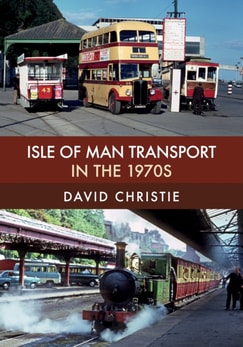
From author David Christie's home town in Essex, the Green Line route 721 (by RCL) was the usual way of getting to London - into Aldgate, one of his haunts as a young spotter in the '50s.
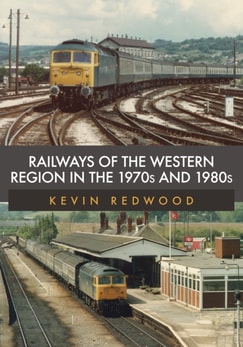
As the modernisation of the former British Railways moved forward into Railtrack and then Network Rail, various schemes to bring the West Country railway network up to date came - and went!
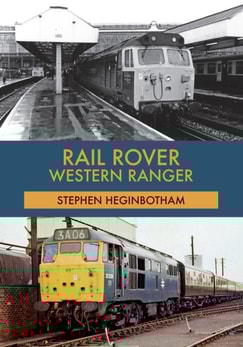
During the days of British Rail it was possible to purchase a Rail Rover type ticket for unlimited travel over certain areas or regions, over a single day, or for a longer period.
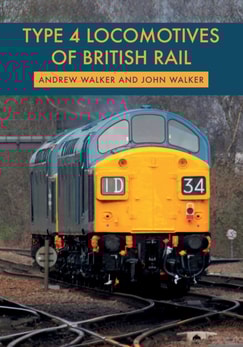
The six principal classes of diesel locomotive that once made up the 'Type 4' classification - the 40, 44, 45, 46, 47 and 50 - were the survivors of a wider group that can trace its origins to the British Transport Commission's Modernisation Plan of 1955.
Railways Around Hereford features photographs taken by author Robert Lewis and a number of other railway enthusiasts, covering a period of around fifty years.
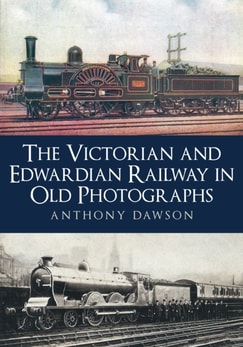
The steam locomotive, 'the most potent symbol of nineteenth-century civilisation', is perhaps the image that best sums up the Victorian and Edwardian eras.
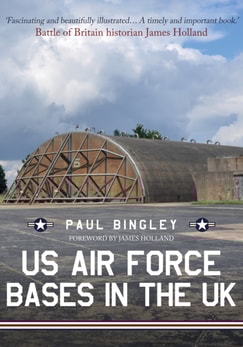
When Winston Churchill delivered his famous 'Iron Curtain' speech in 1946, he mentioned two words now engrained in Anglo-American terminology - 'special relationship'.
The Eastern Counties Omnibus Company came about by the amalgamation of four companies - the Peterborough Electric Traction Company, Ortona Motor Company Limited, the eastern operating area of United Automobile Services and the Eastern Counties Road Car Company of Ipswich.
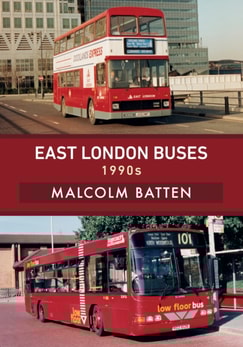
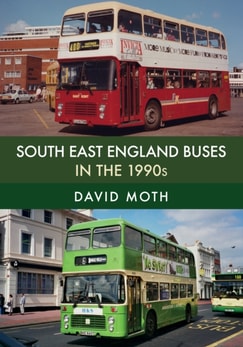
The 1990s was a period that saw the last vestiges of old company liveries and fleet names and also saw the slow (at first) dawning of the era of the low-floor bus.
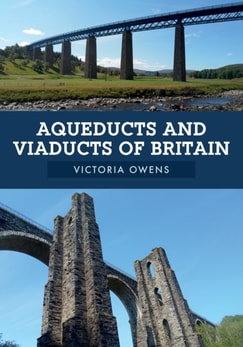
Between July 1761, when a navigable aqueduct opened on the Bridgewater Canal at Barton-upon-Irwell, and July 1963, date of the completion of the Thelwall Viaduct on the M6 near Warrington, Britain would see the construction of a great number of aqueducts and viaducts.
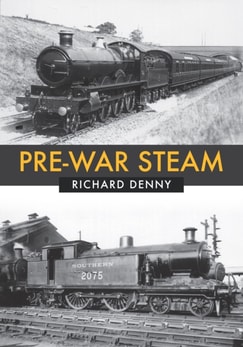
Though personally remembered by very few people, the interwar period was a fascinating time for railway enthusiasts, with the colourful liveries of the pre-Grouping companies allowing for a wide variety of interesting markings in the run-up to Grouping in 1923.
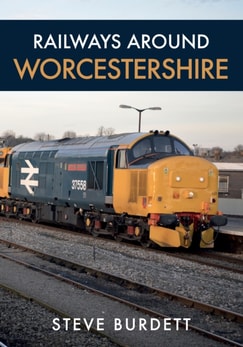
Railways Around Worcestershire is one man's view of a range of railway operations in the beautiful heart of England over a period spanning nearly half a century.
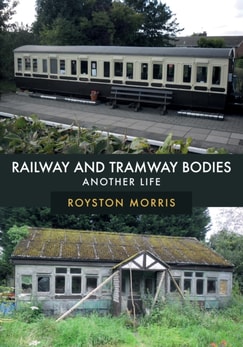
Following the First World War, some railway and tramway companies began selling the bodies of their railway carriages and tramcars, with many finding new uses as houses or bungalows, workshops, chicken houses, bus shelters or animal shelters.
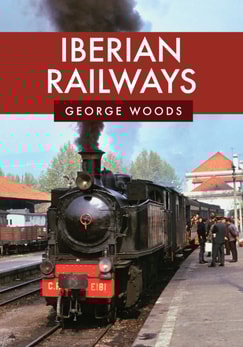
The railways of Spain and Portugal saw steam locomotives working on the main lines until the late 1970s, although in Spain several mining companies still employed steam into the 1980s.
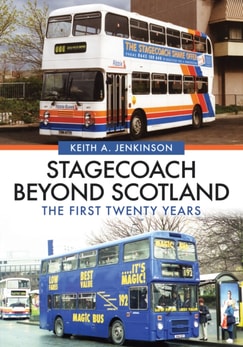
Keen to quickly expand during the 1980s, Stagecoach purchased three former National Bus Company subsidiaries during its sell-off in 1986/7 to give it a foothold in the English bus market.
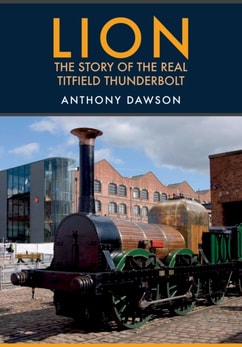
Best known as the Titfield Thunderbolt, Lion is one of the most beloved locomotives in railway preservation - transformed from humble luggage engine to film star, this is a Cinderella story.
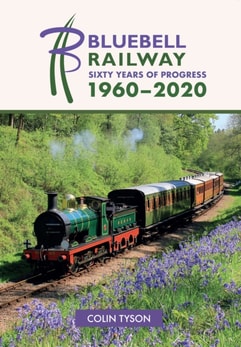
Opened in 1960, the Bluebell Railway was the very first standard gauge former British Railways line in Britain to be taken over by volunteers, having seen the success already achieved at the narrow gauge Talyllyn and Ffestiniog Railways in Wales.
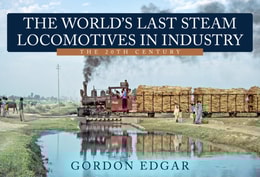
Following on from his popular series examining industrial steam in regions of the UK, Gordon Edgar looks at a series of fascinating workings around the world during the final days of steam in industry.
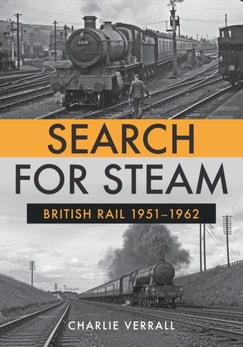
By the late 1950s the motive power in use by British Railways, both on passenger and freight services, was changing fast with diesel and electric traction becoming increasingly common.
Although perhaps overshadowed by the fame of the Great Western Railway's sea wall section of railway west of Exeter, the Chester & Holyhead Railway, opened in full by 1850, has much to offer as it wends its way west.
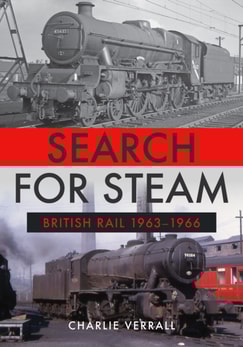
At the start of 1963, author and photographer Charlie Verrall was disillusioned after the withdrawal of so many steam locomotives at the end of the previous year.
Adhering to what is considered statutory Outer London, this collection of images covers various vehicle types, operators and locations in Outer London since 1990.
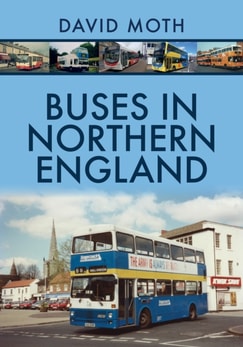
This collection features images of buses taken throughout most of Northern England although it mainly concentrates on the historic counties of Lancashire and Yorkshire.
The world-famous Beyer, Peacock works of Gorton, Manchester, is remembered principally for its remarkable Beyer-Garratt articulated locomotives, which ran in forty-eight countries.
The 1955 British Rail Modernisation Plan identified a need for small, lightweight diesel locomotives and the Birmingham Railway Carriage & Wagon Company, based in Smethwick in the West Midlands, was awarded the contract to build the Class 26, Class 27 and Class 33 locomotives.
An eminent early preservationist, John Crawley was able to amass an enviable photographic archive of steam traction engines and road rollers in their working days, of which this Aveling & Porter selection formed just a part.