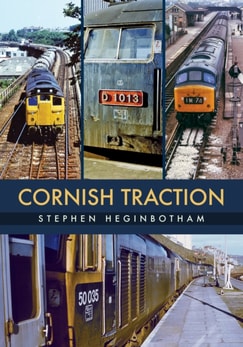
As the modernisation of the former British Railways moved forward into Railtrack and then Network Rail, various schemes to bring the West Country railway network up to date came.
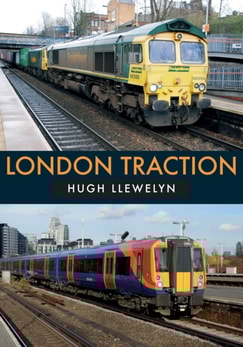
Bristol is fortunate in having a particularly photogenic main-line station in Brunel's magnificent Temple Meads, with a great variety of traction available both there and in the adjacent Bath Road diesel depot, now long gone.
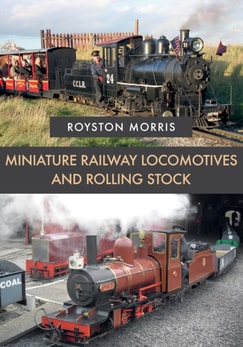
During the nineteenth century, as the railways developed at an extraordinary pace, people began to build models of locomotives to either show how the finished engine would look when constructed or, more usually, so that they could see the locomotive in a much smaller scale than the original.
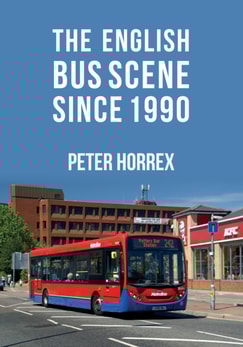
With photos taken in Yorkshire, Greater Manchester, the West Country, London and beyond, Peter Horrex takes the reader on an illuminating tour around England's modern bus scene, covering a period of almost thirty years.
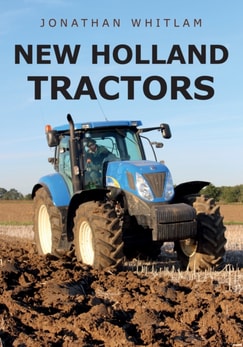
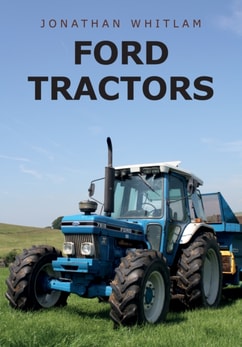
This book tells the full story of one of the newest and most successful tractor manufacturers, which has roots in the classic Ford and Fiat brands of years gone by.
Beginning with the development of the first Ford tractors in 1917 and finishing in 1991 with the purchase of the Ford tractor brand by Fiat, this is one of the few books to tell the complete story of Ford and Fordson tractors.
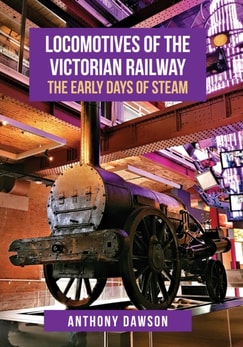
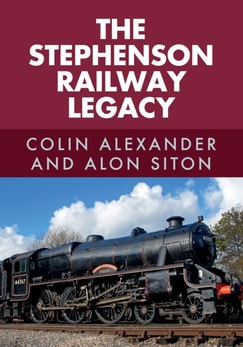
In the quarter of a century between 1830 and 1855, the railway locomotive developed from the small sisters of Rocketto the broad gauge monsters of Daniel Gooch, with a boiler pressure nearly three times that of Rocketand weighing in at nearly 40 tons (eight times the weight of Rocket).
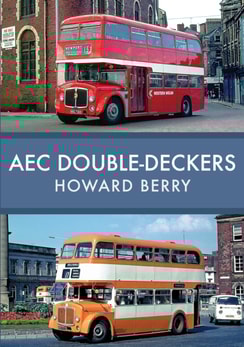
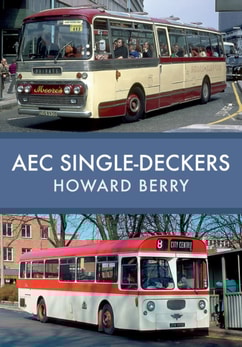
Even though it is nearly forty years since the last vehicles left the Southall factory, the products of the Associated Equipment Company, more commonly known as AEC, are still synonymous with quality and reliability.
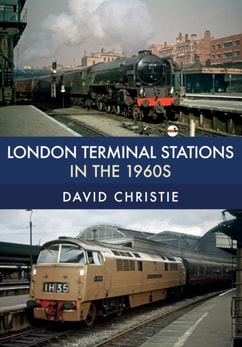
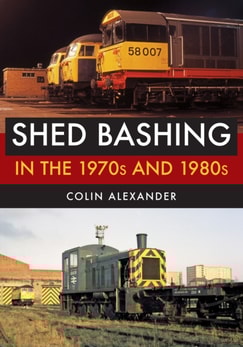
In September 1962, the author started revisiting his boyhood trainspotting haunts at the London terminals - this time armed with a newly purchased camera loaded with colour slide film.
Western National is a company with a long history, and upon privatisation in 1987 introduced a striking new livery to replace the all-conquering NBC green.
In the early days of tram operations, the local borough or corporation would lay tracks that would carry the trams, while the cars would be operated by private enterprise.
On 16 January 1988 bus services in the Bexley area underwent enormous changes - long-established routes were altered or absorbed into other routes and Sidcup Garage closed, while Bexleyheath Garage re-opened.
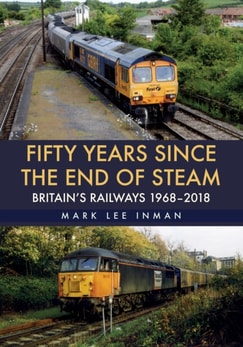
Steam on Britain's railways ended in 1968 - and the fifty years since have been a period of controversy and debate; has it been a time of progress and development, or under-investment and political meddling?
Even though it is nearly forty years since the last vehicles left the Southall factory, the products of the Associated Equipment Company, more commonly known as AEC, are still synonymous with quality and reliability.
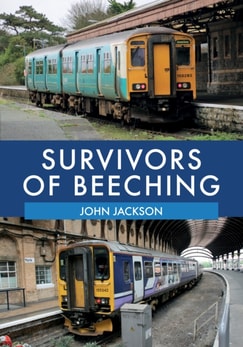
Dr Beeching's infamous 1963 report recommending cuts to a number of Britain's railways has long been etched into the consciousness of the British public, but a look at the rail map of Britain today reveals some survivors.
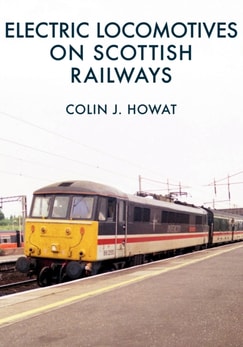
Ordered in 1985, the Class 91 was a joint venture between GEC, Brush and ASEA to deliver a fleet of 140 mph tilting electric locomotives for the East Coast Main Line.
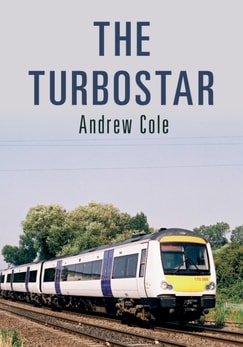
With construction beginning in 1997, the Turbostar family of diesel multiple units are by far the most numerous design of such units introduced to the privatised railway.
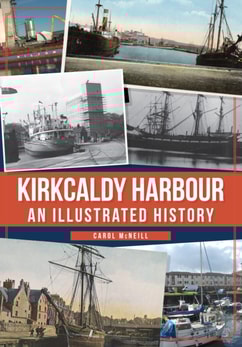
Kirkcaldy Harbour: An Illustrated History traces the story of Kirkcaldy harbour from its sixteenth-century royal connections, through the boom years of commercial shipping, to its recent rescue from dereliction by the international grain ships servicing the huge flour mill.
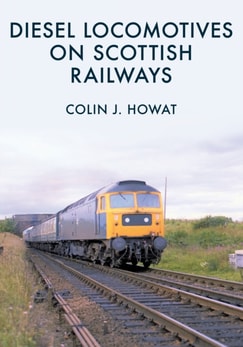
Diesel Locomotives on Scottish Railways covers most of Scotland from Thurso in the far north to the border with England, from 1974 until the present day.
It seems impossible to think that a company who imported their first passenger vehicle into Britain in 1972 would, less than twenty years later, take over what was once Britain's largest passenger and commercial vehicle manufacturer.
Since the late 1920s Yorkshire has played a major role in the sale of second-hand buses and coaches, as well as their ultimate end-of-life destruction.
Set in the Aire Valley of West Yorkshire and surrounded by several towns, Bradford maintains a proud transport history and was the first - and last - city in the UK to operate trolleybuses.
From a collaboration with MCW to produce buses in the 1970s through to the powerful luxury coaches of today, Scania vehicles are a familiar sight on the roads of Britain.