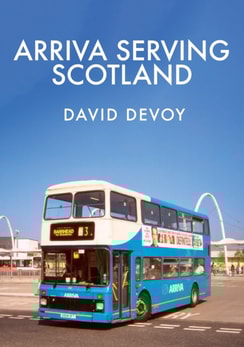
Arriva came to have a presence in Scotland as a result of several purchases and mergers, with a management buyout of Clydeside Scottish eventually leading to that company becoming a part of the giant Arriva group.
The Leyland National was conceived as a joint venture between British Leyland and the National Bus Company to replace all the rear-engined single-deckers in the British Leyland Group - the AEC Swift, Leyland Panther, Daimler Roadliner, single-deck Daimler Fleetline, and Bristol RE.
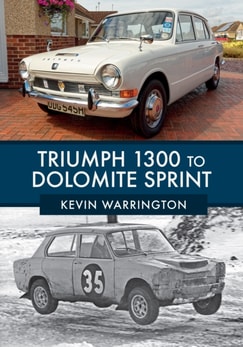
This engaging book begins with the history of Triumph, its rescue by the Standard Motor Company and the quest to replace the bestselling Herald with a more modern design, including the strong influence of the Italian designer Giovanni Michelotti.
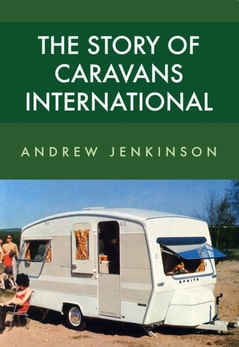
Founded in 1963 with the merger of three leading brands - Sprite, Eccles and Bluebird - Caravans International was a formidable combination of British caravan heritage.
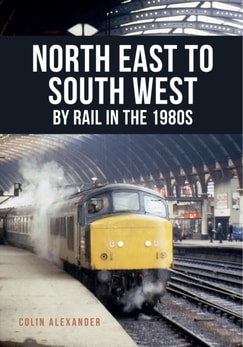
The ten-hour journey from the North East coast to almost the westernmost tip of England features ever-changing scenery with endless interest to railway enthusiast and casual traveller alike.
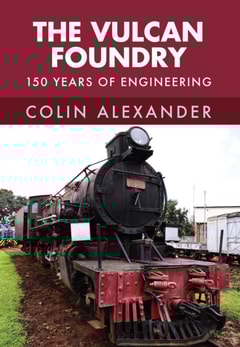
Founded by Charles Tayleur in 1830 as a factory to produce locomotives for the Liverpool & Manchester Railway, the Vulcan Foundry at Newton-le-Willows grew rapidly both in reputation and capacity.
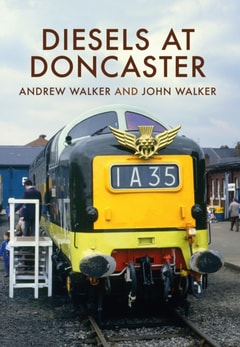
In common with many teenage railway enthusiasts on Tyneside in the late 1970s and early 1980s, Colin Alexander clocked up hundreds of miles per day travelling on a variety of classic diesel trains, especially their beloved Deltics.
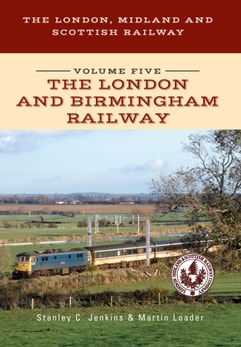
Approved in May 1833 at the same time as the London & Birmingham Railway, the Grand Junction Railway was intended to act as a link between the London & Birmingham and the Liverpool & Manchester Railway.
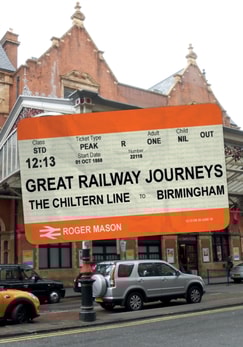
Great Railway Journeys: The Chiltern Line to Birmingham is a record of forty fascinating sites that can be seen from the window of a train travelling from Marylebone Station in London to Moor Street Station in Birmingham.
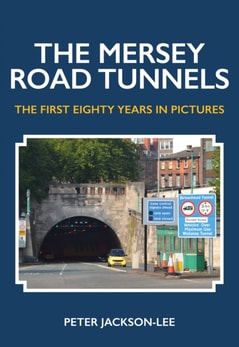
The story of the Queensway and Kingsway road tunnels, together known as the Mersey Road Tunnels, is a story of progress and growth as the area around them developed and changed.
The Netherlands, Belgium and Luxembourg are three separate European countries that have their own railway systems, with much integration between each other.
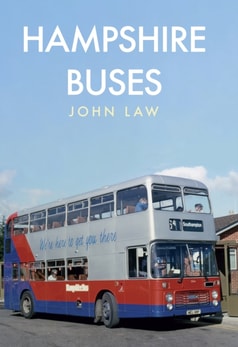
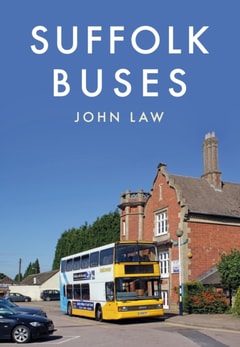
Suffolk was once the territory of the Eastern Counties Omnibus Company, with two municipal operators and several notable independents also running bus services in the county.
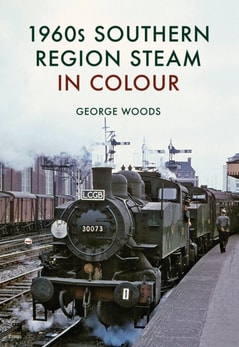
Driven by the sudden realisation that steam had all but disappeared on his 'local' GE line, David Christie set about initially recording the London termini, but was then spurred on to record as much as possible on the whole of BR before it was too late.
Starting at London City's eastern terminus, Aldgate, this book begins with the red central bus routes radiating out to Essex, featured together with the Green Line coach services.
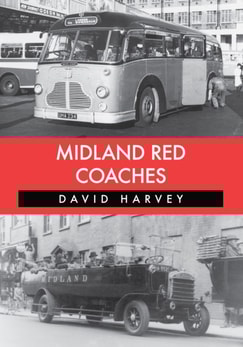
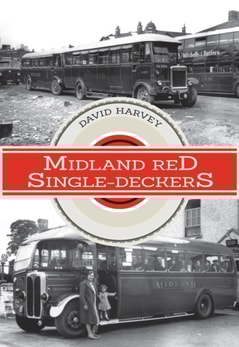
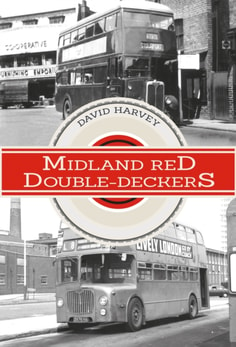
Throughout their existence from 1904 until 1981, the Birmingham & Midland Motor Omnibus Company were an idiosyncratic operator whose area of operations ranged from the Welsh Marches and Shropshire in the West to Northamptonshire and Rutland in the East and from Oxfordshire and Gloucestershire in the South to Staffordshire and Derbyshire in the North.
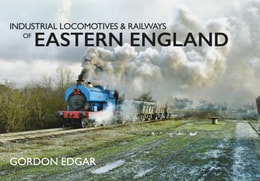
The fourth in a regional series of books examining the industrial locomotives and railways of England, Wales and Scotland, this volume covers the counties of Essex, Cambridgeshire, Suffolk, Norfolk, Lincolnshire and East Nottinghamshire.
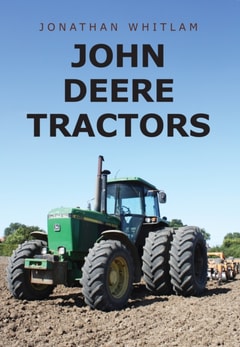
John Deere is one of the world's leading tractor companies and this fascinating book brings together the full account of production in both the United States and in Europe.
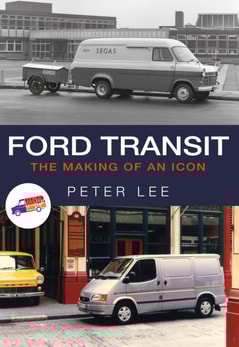
The Ford Transit is one of the most successful commercial light vans of all time and it has been the best selling light van in the UK and other parts of the world for over fifty-two years.
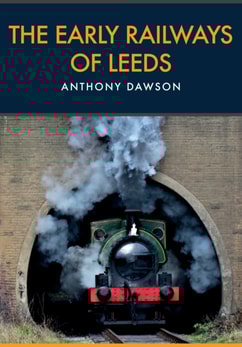
The city of Leeds in West Yorkshire was once one of the busiest railway centres in Britain and had the largest concentration of railway engine builders in the country.
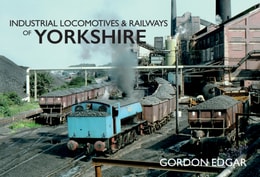
This seventh volume in the series of regional books examining the industrial railways of England, Wales and Scotland looks at railways of the former Ridings of Yorkshire, a region that once boasted widespread coal mining activities, which strongly influenced the county's fortunes throughout the nineteenth and twentieth centuries.
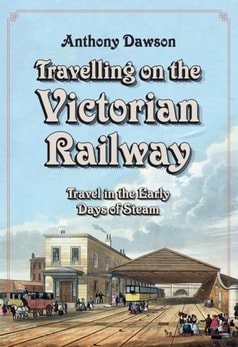
'The most striking result produced by the completion of this Railway, is the sudden and marvellous change which has been effected in our ideas of time and space.
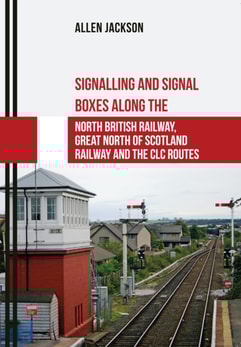
Continuing here with the North British Railway, Great North of Scotland Railway and the Cheshire Line Committee (CLC), Allen Jackson uses a range of previously unpublished photographs to evocatively demonstrate the story of signalling in the principal constituents of the LNER over the course of several volumes.
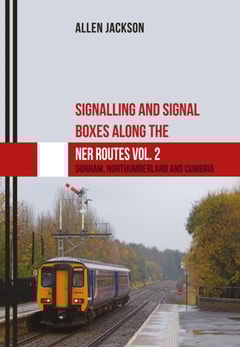
Over the course of several volumes, Allen Jackson uses an array of photographs to lavishly illustrate the story of signalling in the principal constituents of the LNER - continuing here with the second volume, which tells the story of the North Eastern Railway in Durham, Northumberland and Cumbria.
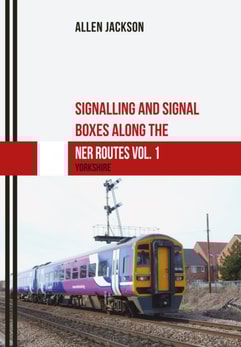
Over the course of several volumes, Allen Jackson uses an array of photographs to lavishly illustrate the story of signalling in the principal constituents of the LNER - continuing here with the first volume of the story of the North Eastern Railway in Yorkshire.
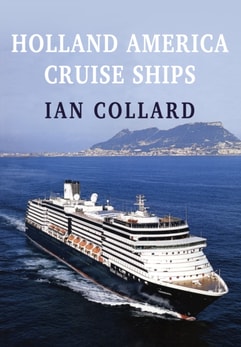
The Holland America Line was founded in 1873 and operated a fleet of passenger and cargo vessels from the Netherlands to the east and west coasts of America.
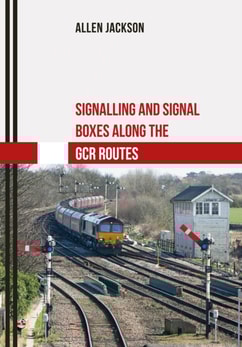
Over the course of several volumes, Allen Jackson offers an array of never Allen Jackson before published photographs to lavishly illustrate the story of signalling in the principal constituents of the LNER - continuing here with the Great Central Railway.
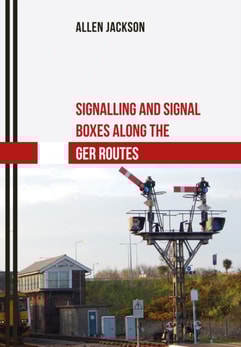
Over the course of several volumes, Allen Jackson uses an array of photographs to lavishly illustrate the story of signalling in the principal constituents of the LNER - continuing here with the Great Eastern Railway.
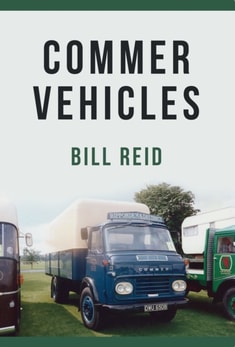
Commercial Cars Limited was the name of a new company set up in 1906 in south London to build a motor lorry, using what was then known as the Linley gearbox, which had degree of pre-selection in its use.
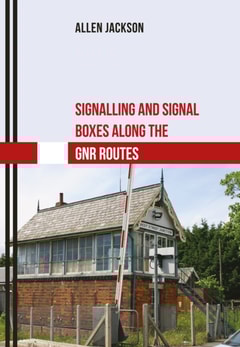
The Great Northern Railway out of King's Cross was always in the limelight with the 'Scotch Expresses' and it carried the baton to just north of Doncaster, whereupon the North Eastern Railway took over.