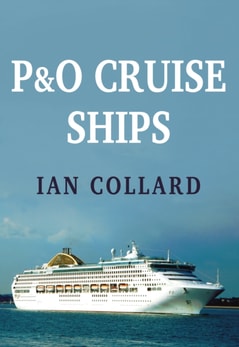
P&O was established in 1837 and maintained a schedule of routes to India, the Far East and Australia, being the first choice for the majority of passengers travelling to that part of the world.
Lee-on-the-Solent is synonymous with planes and seaplanes, but it is also the home of another, slightly more unusual form of transport - the hovercraft.
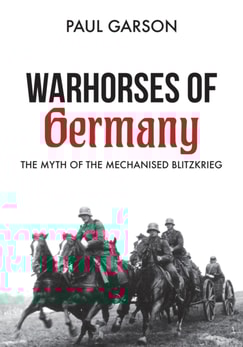
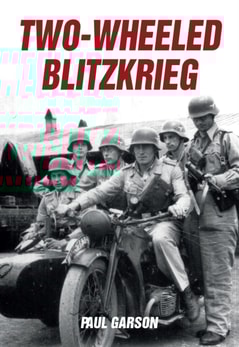
While many films have attempted to convey the experience of the Second World War European battlefield, none adequately portray the mayhem and suffering that befell untold thousands of horses, their bodies impacted by bullet, flame and bomb as well as disease, starvation and backbreaking toil in the searing heat of summer and the freezing winds and snows of winter.
In the aftermath of the Second World War, paddle steamers in Britain initially did rather well, with four new ones built between 1946 and 1953 and about sixty still in service nationwide.
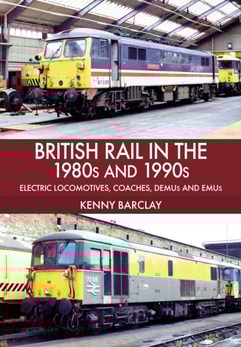
For Britain's railways, the 1970s was a time of contrasts, when gallows humour about British Rail sandwiches and delayed trains often overshadowed real achievement, like 'parkway' stations and high-speed travel.
Whether your interest is police, fire, ambulance, or associated emergency and rescue services, this fully illustrated book of nearly 200 images captures central London's many 999 services going about their daily business.
The main route to Devon and Cornwall passes through Somerset, with routes from Bristol and Westbury converging at Cogload Junction - 5 miles east of Taunton.
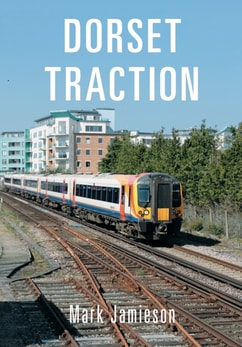
Bounded by the counties of Hampshire, Somerset, Berkshire, Dorset, Oxfordshire and Gloucestershire, the county of Wiltshire has several significant main line railway routes passing through it: to the north is the Great Western Main Line from London Paddington to South Wales; the Berks & Hants route from Reading to Westbury runs through the heart of the county, and westwards to Taunton; and to the south of the county the former London & South Western Railway route runs from London Waterloo to Exeter, while the cross-country route from Southampton to Bath cuts across the county from the south-east to the north-west.
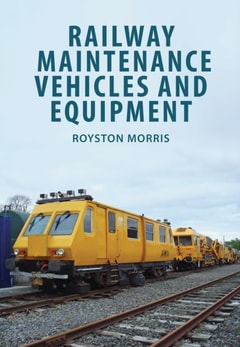
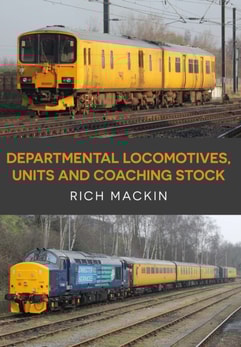
Featuring an array of previously unpublished images, Royston Morris documents the fascinating world of the vehicles and equipment that keep the nation's railways on track and on time.
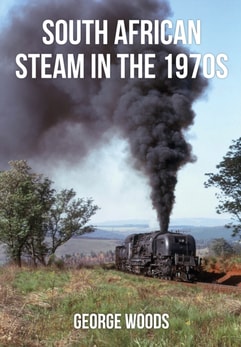
As in many countries in the 1970s, South Africa's railways were making the change over from steam to diesel and electric traction at an ever-increasing pace.
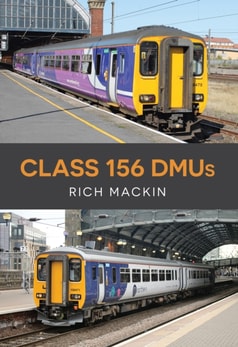
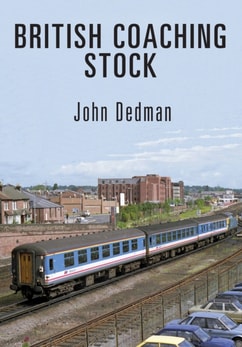
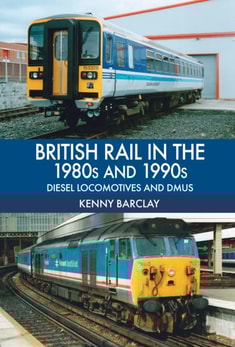
The Class 156 (Super Sprinter) is a Diesel Multiple Unit (DMU) ordered by British Rail and built between 1987 and 1989 by Metro-Cammell to replace the aging first-generation 'Heritage' DMUs.
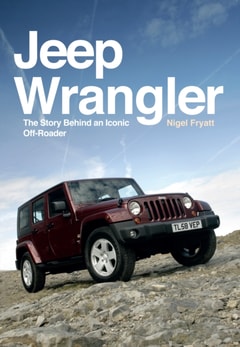
The story of today's Jeep Wrangler has an intriguing and unusual beginning, when the demands of the American army during the Second World War led to the production of a simple, yet multi-purpose, go-anywhere vehicle that could easily (and cheaply) be mass-produced.
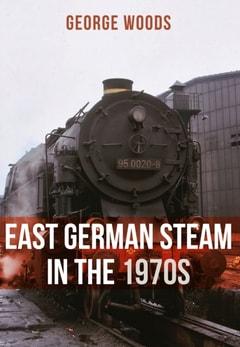
During the 1970s steam locomotives still played a big part in the operation of train services on the Deutsche Reichsbahn in the German Democratic Republic.
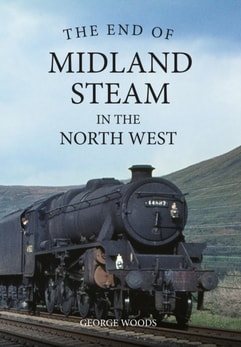
The years 1966 and 1967 saw many steam enthusiasts heading north to photograph and record the last steam-worked trains on the Midland Region of British Rail.
The traditional cargo-carrying narrowboat - recently voted one of the 100 icons of England - emerged with the construction of the narrow canal network and lasted in until 1970 when the last regular long-distance contract was lost.
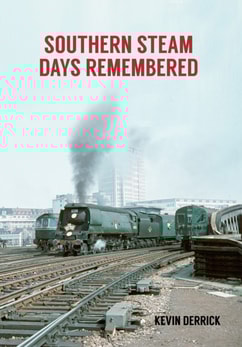
Continuing the Steam Days Remembered series with Eastern Steam Days Remembered, Kevin Derrick takes us on a leisurely ramble back around both the Eastern and North Eastern regions during the 1950s and 1960s in this volume.
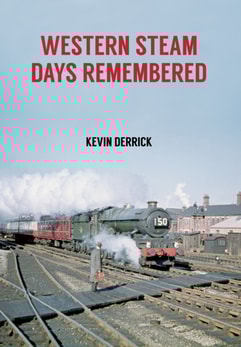
Western Steam Days Remembered takes a pictorial tour of the Western Region through the 1950s and into the early 1960s to enjoy the splendour of steam across both mainlines and branches alike.
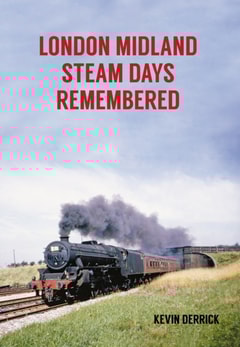
London Midland Steam Days Remembered offers the very best quality colour photographs of steam from the 1950s and 1960s across the region, with not only Stanier's fabulous Duchesses but a full supporting cast of steam from the lower ranks to be enjoyed.
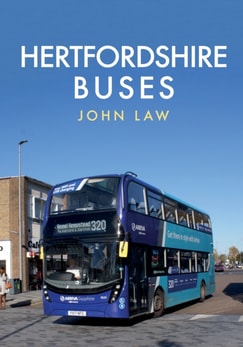
From 1933 to the end of the 1960s, most of the bus services in Hertfordshire were in the hands of London Transport's country services, with standardised green buses.