Almost two centuries after British explorer Sir John Franklin and his men died amid paralyzing cold and ice in pursuit of the mythical Northwest Passage, the Arcticin response to temperatures greater than at any time in the last ten thousand yearsis melting at an alarming pace.
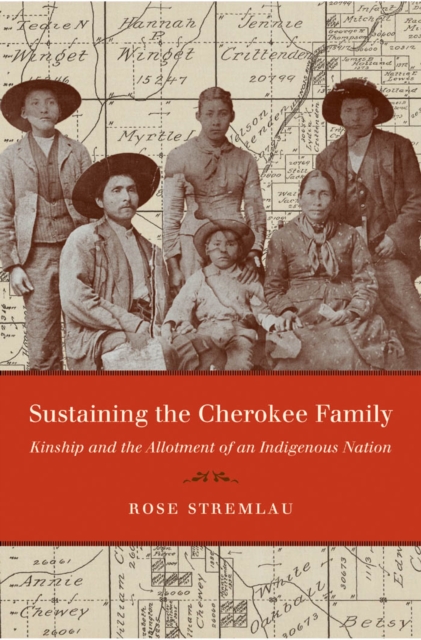
During the late nineteenth and early twentieth centuries, the federal government sought to forcibly assimilate Native Americans into American society through systematized land allotment.
Since the inception of the Atlantic Coast Conference, intense rivalries, legendary coaches, gifted players, and fervent fans have come to define the leagues basketball history.
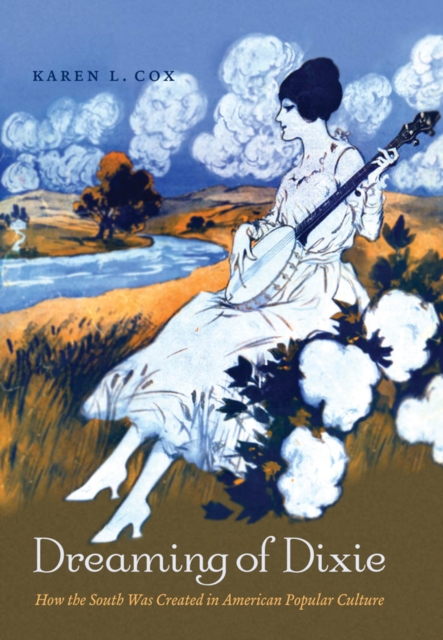
From the late nineteenth century through World War II, popular culture portrayed the American South as a region ensconced in its antebellum past, draped in moonlight and magnolias, and represented by such southern icons as the mammy, the belle, the chivalrous planter, white-columned mansions, and even bolls of cotton.
More than a million tourists visit religious landmarks in San Antonio, Texas, each year, observing and sometimes participating in religious activities there.
It took an oil crisis in the 1970s for the Dutch to realize that they simply couldnt afford to live without bicycles, and today the Dutch lead the world in urban cycling.
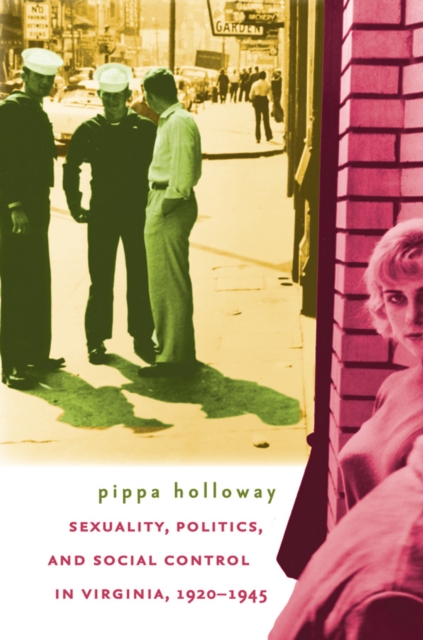
In the first half of the twentieth century, white elites who dominated Virginia politics sought to increase state control over African Americans and lower-class whites, whom they saw as oversexed and lacking sexual self-restraint.
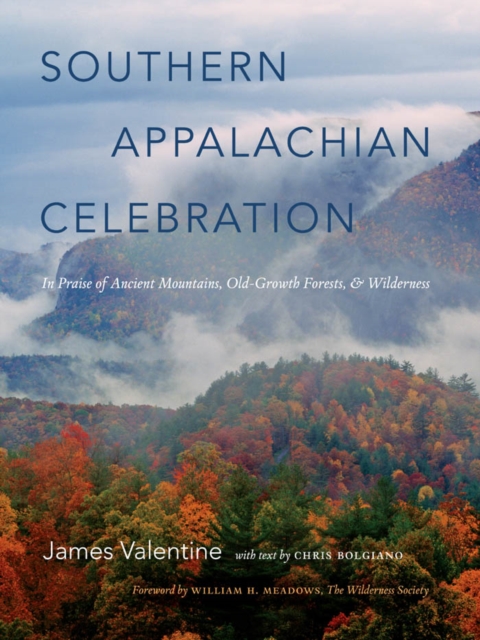
With this stunning collection of images of the Southern Appalachians, James Valentine presents an enduring portrait of the regions unique natural character.
Michael Kay and Lorin Cary illuminate new aspects of slavery in colonial America by focusing on North Carolina, which has largely been ignored by scholars in favor of the more mature slave systems in the Chesapeake and South Carolina.
A southern Renaissance man, Eugene Walter (19211998) was a pioneering food writer, a champion of southern foodways and culture, and a legendary personality among food lovers.
A landmark work of womens history originally published in 1967, Gerda Lerners best-selling biography of Sarah and Angelina Grimk explores the lives and ideas of the only southern women to become antislavery agents in the North and pioneers for womens rights.
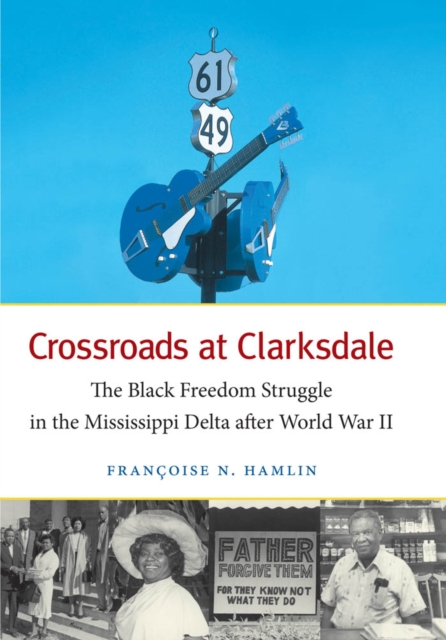
Weaving national narratives from stories of the daily lives and familiar places of local residents, Franoise Hamlin chronicles the slow struggle for black freedom through the history of Clarksdale, Mississippi.
It took an oil crisis in the 1970s for the Dutch to realize that they simply couldnt afford to live without bicycles, and today the Dutch lead the world in urban cycling.
In this comprehensive analysis of politics and ideology in antebellum South Carolina, Manisha Sinha offers a provocative new look at the roots of southern separatism and the causes of the Civil War.
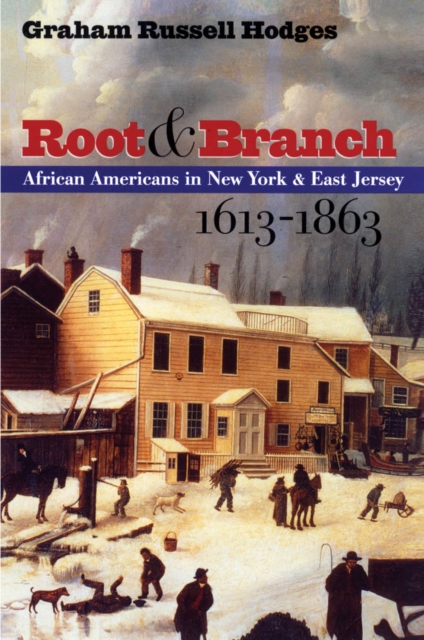
In this remarkable book, Graham Hodges presents a comprehensive history of African Americans in New York City and its rural environs from the arrival of the first African a sailor marooned on Manhattan Island in 1613 to the bloody Draft Riots of 1863.
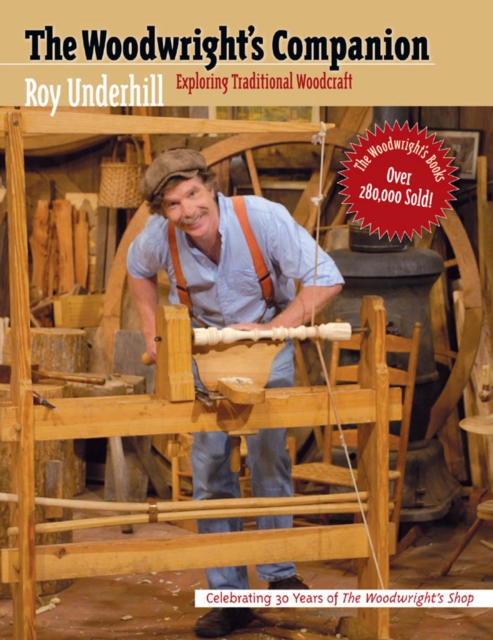
With The Woodwrights Companion, Roy Underhill continues to demonstrate how to start with a tree and an axe and make one thing after another until you have a house and everything in it.
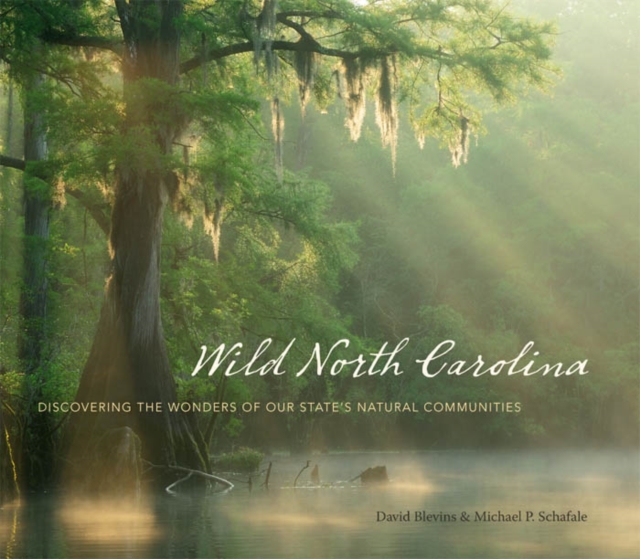
Celebrating the beauty, diversity, and significance of the states natural landscapes, Wild North Carolina provides an engaging, beautifully illustrated introduction to North Carolinas interconnected webs of plant and animal life.
In this classic work, born of the back-to-the-land movement, Jean Anderson teaches you how to enjoy the bounty of your own garden, farmers markets, and roadside stands all year round.
Focusing on five Los Angeles environmental policy debates between 1920 and 1950, Sarah Elkind investigates how practices in American municipal government gave business groups political legitimacy at the local level as well as unanticipated influence over federal politics.
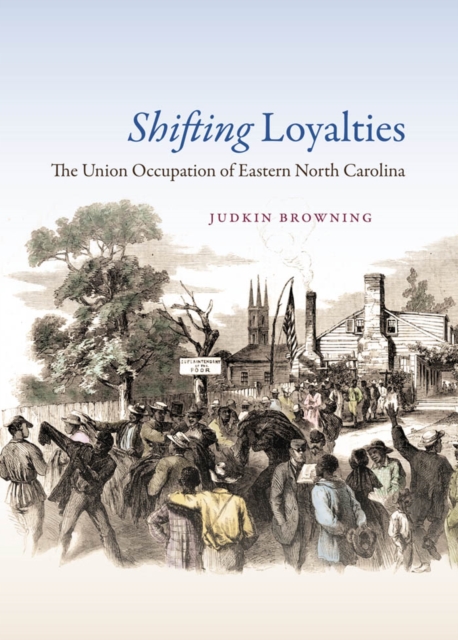
In the spring of 1862, Union forces marched into neighboring Carteret and Craven Counties in southeastern North Carolina, marking the beginning of an occupation that would continue for the rest of the war.
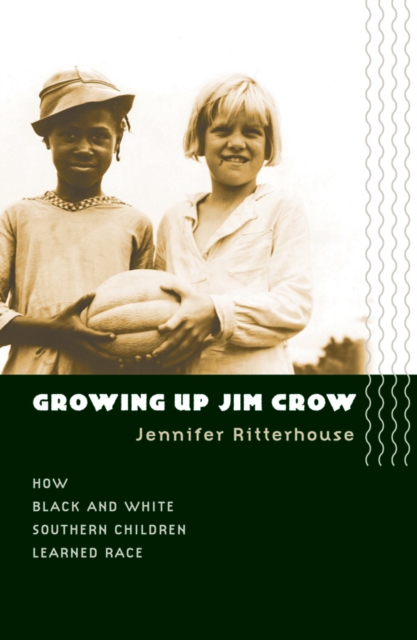
In the segregated South of the early twentieth century, unwritten rules guided every aspect of individual behavior, from how blacks and whites stood, sat, ate, drank, walked, and talked to whether they made eye contact with one another.
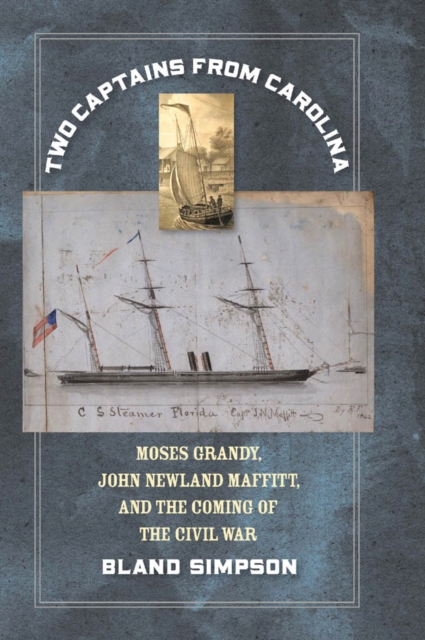
In Two Captains from Carolina, Bland Simpson twines together the lives of two accomplished nineteenth-century mariners from North Carolina one African American, one Irish American.
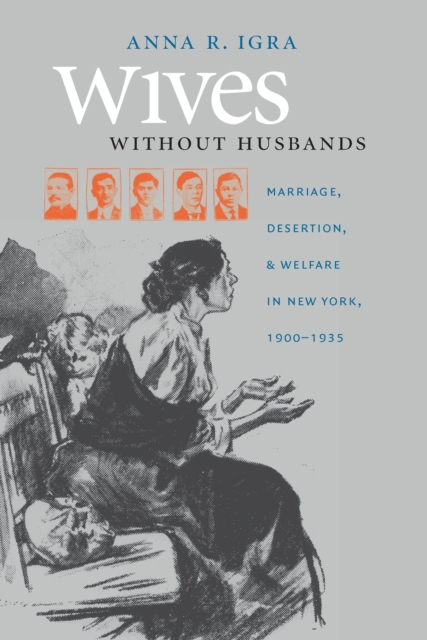
Shedding new light on contemporary campaigns to encourage marriage among welfare recipients and to prosecute deadbeat dads, Wives without Husbands traces the efforts of Progressive reformers to make runaway husbands support their families.
For more than thirty years, the architectural research department at Colonial Williamsburg has engaged in comprehensive study of early buildings, landscapes, and social history in the Chesapeake region.
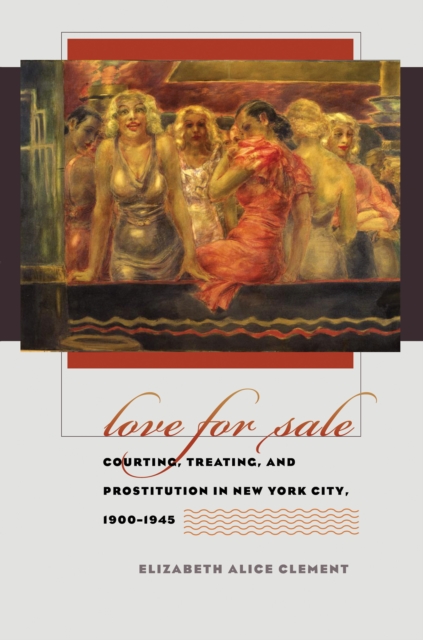
The intense urbanization and industrialization of Americas largest city from the turn of the twentieth century to World War II was accompanied by profound shifts in sexual morality, sexual practices, and gender roles.
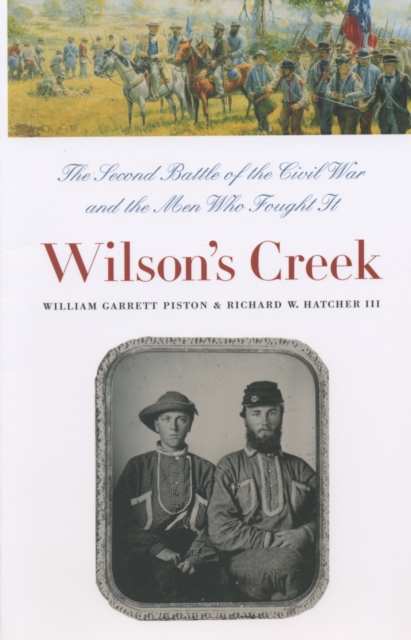
In the summer of 1861, Americans were preoccupied by the question of which states would join the secession movement and which would remain loyal to the Union.
Buddhism in the United States is often viewed in connection with practitioners in the Northeast and on the West Coast, but in fact, it has been spreading and evolving throughout the United States since the mid-nineteenth century.
David Cecelski chronicles one of the most sustained and successful protests of the civil rights movement the 196869 school boycott in Hyde County, North Carolina.