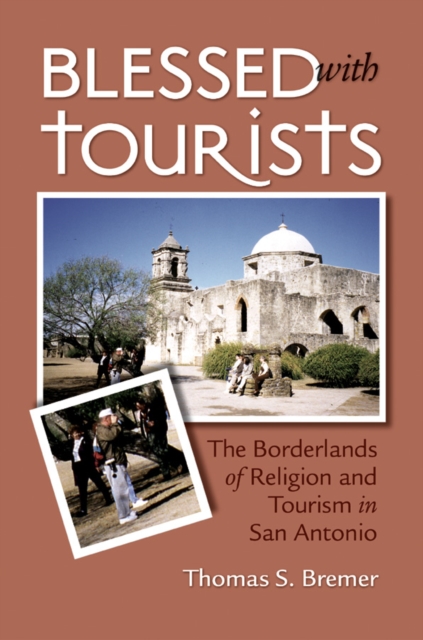
More than a million tourists visit religious landmarks in San Antonio, Texas, each year, observing and sometimes participating in religious activities there.
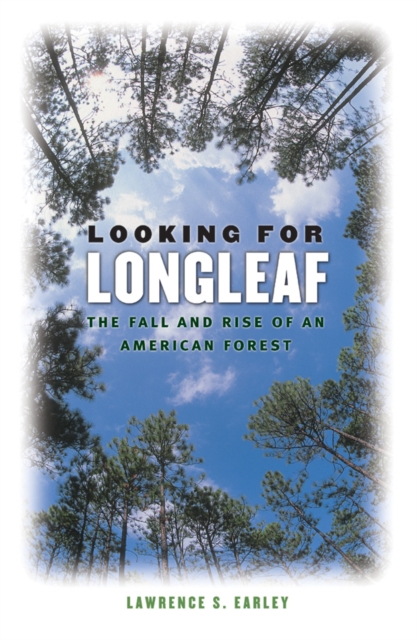
Covering 92 million acres from Virginia to Texas, the longleaf pine ecosystem was, in its prime, one of the most extensive and biologically diverse ecosystems in North America.
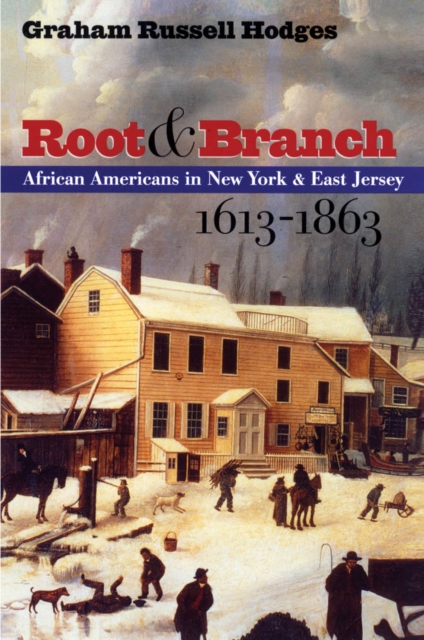
In this remarkable book, Graham Hodges presents a comprehensive history of African Americans in New York City and its rural environs from the arrival of the first African a sailor marooned on Manhattan Island in 1613 to the bloody Draft Riots of 1863.
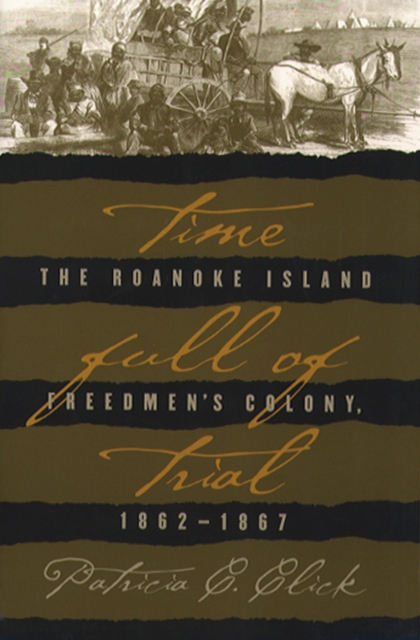
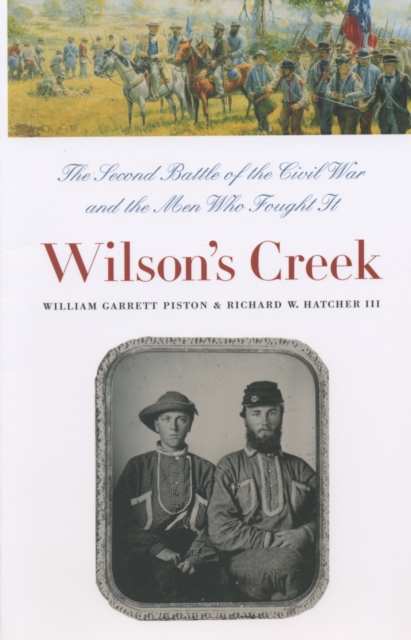
In the summer of 1861, Americans were preoccupied by the question of which states would join the secession movement and which would remain loyal to the Union.
Buddhism in the United States is often viewed in connection with practitioners in the Northeast and on the West Coast, but in fact, it has been spreading and evolving throughout the United States since the mid-nineteenth century.
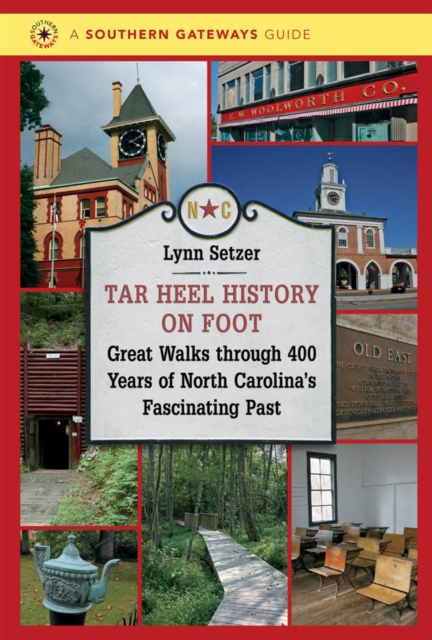
This lively collection of 34 of the best history walks in North Carolina highlights the richness and diversity of the states history, from the time of its first settlement to the present.
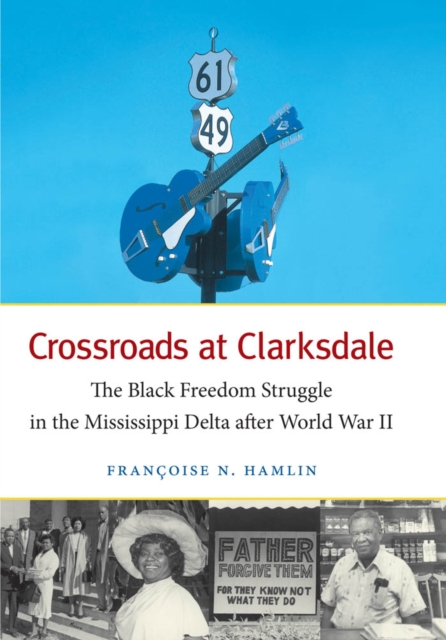
Weaving national narratives from stories of the daily lives and familiar places of local residents, Franoise Hamlin chronicles the slow struggle for black freedom through the history of Clarksdale, Mississippi.
For more than ten years, Roy Underhill has taught the techniques of traditional woodcraft, or 'how to start with a tree and an axe and make one thing after another until you have a house and everything in it.
With The Woodwrights Companion, Roy Underhill continues to demonstrate how to start with a tree and an axe and make one thing after another until you have a house and everything in it.
A landmark work of womens history originally published in 1967, Gerda Lerners best-selling biography of Sarah and Angelina Grimk explores the lives and ideas of the only southern women to become antislavery agents in the North and pioneers for womens rights.
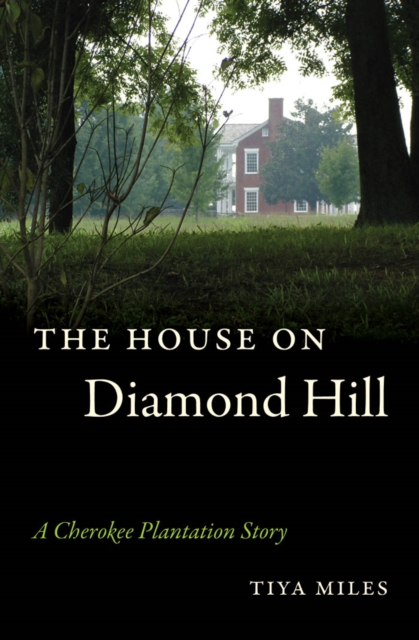
At the turn of the nineteenth century, James Vann, a Cherokee chief and entrepreneur, established Diamond Hill in Georgia, the most famous plantation in the southeastern Cherokee Nation.
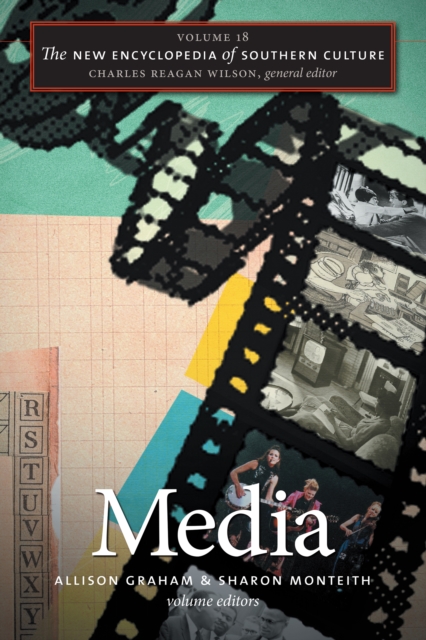
This volume of The New Encyclopedia of Southern Culture examines how mass media have shaped popular perceptions of the South and how the South has shaped the history of mass media.
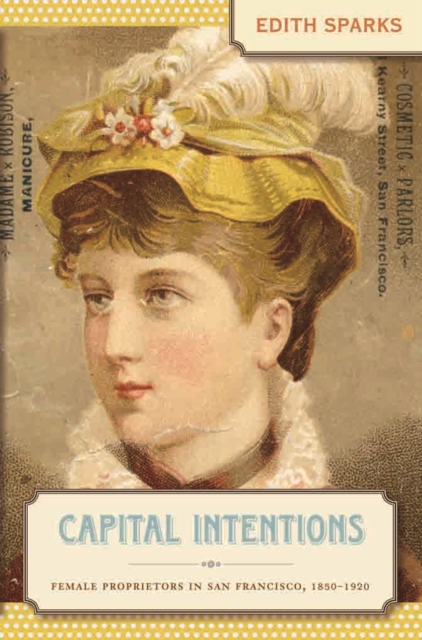
Late nineteenth-century San Francisco was an ethnically diverse but male-dominated society bustling from a rowdy gold rush, earthquakes, and explosive economic growth.
Since the inception of the Atlantic Coast Conference, intense rivalries, legendary coaches, gifted players, and fervent fans have come to define the leagues basketball history.
Focusing on five Los Angeles environmental policy debates between 1920 and 1950, Sarah Elkind investigates how practices in American municipal government gave business groups political legitimacy at the local level as well as unanticipated influence over federal politics.
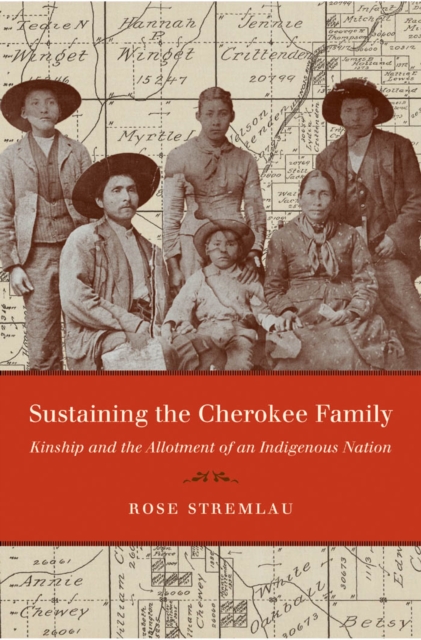
During the late nineteenth and early twentieth centuries, the federal government sought to forcibly assimilate Native Americans into American society through systematized land allotment.
In this hands-on, how-to guide to fishing North Carolinas Outer Banks, expert fisherman Stan Ulanski combines his enthusiasm, his experience, and his scientific expertise to show anglers how to catch more fish.
A southern Renaissance man, Eugene Walter (19211998) was a pioneering food writer, a champion of southern foodways and culture, and a legendary personality among food lovers.
In this splendid cookbook, bicultural cook Sandra Gutierrez blends ingredients, traditions, and culinary techniques, creatively marrying the diverse and delicious cuisines of more than twenty Latin American countries with the beloved food of the American South.
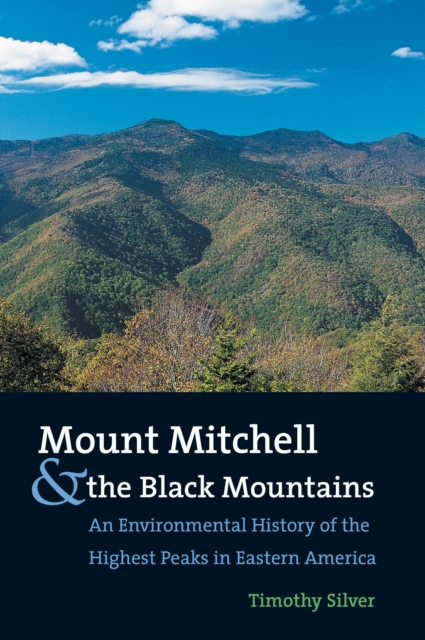
Each year, thousands of tourists visit Mount Mitchell, the most prominent feature of North Carolinas Black Mountain range and the highest peak in the eastern United States.
Michael Kay and Lorin Cary illuminate new aspects of slavery in colonial America by focusing on North Carolina, which has largely been ignored by scholars in favor of the more mature slave systems in the Chesapeake and South Carolina.
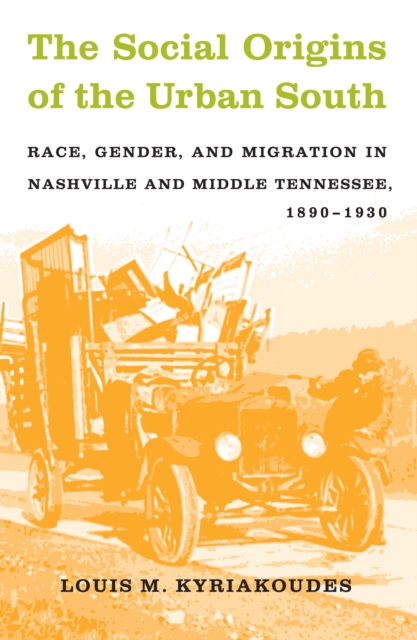
In the late nineteenth and early twentieth centuries, millions of black and white southerners left farms and rural towns to try their fate in the regions cities.
The notorious 1942 Sleepy Lagoon murder trial in Los Angeles concluded with the conviction of seventeen young Mexican American men for the alleged gang slaying of fellow youth Jose Diaz.
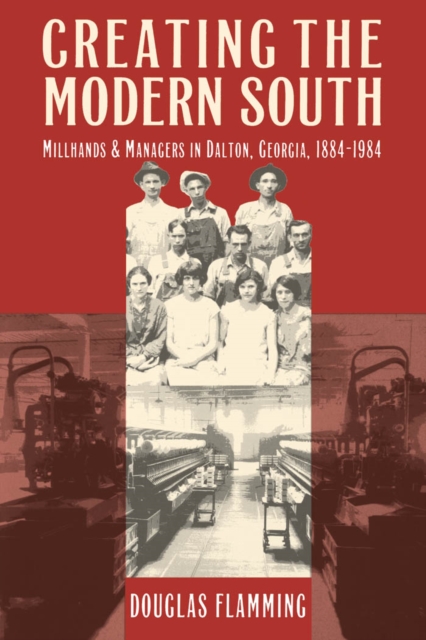
Built by local entrepreneurs during Dixies Cotton Mill in Dalton, Georgia, acted as a magnet for thousands of newly impoverished white farm families who moved to the factory and its company-owned village from the surrounding countryside.
In this classic work, born of the back-to-the-land movement, Jean Anderson teaches you how to enjoy the bounty of your own garden, farmers markets, and roadside stands all year round.
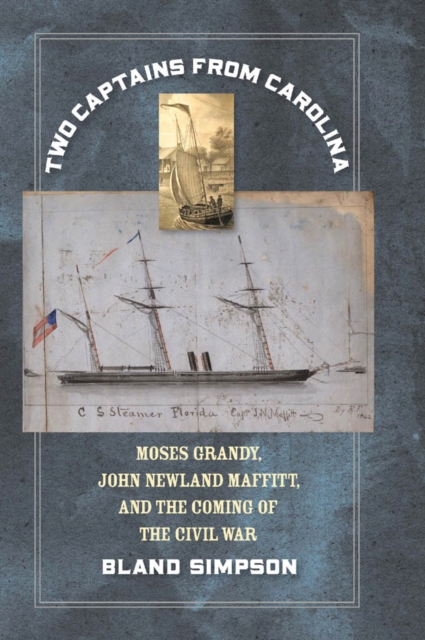
In Two Captains from Carolina, Bland Simpson twines together the lives of two accomplished nineteenth-century mariners from North Carolina one African American, one Irish American.