Revised and updated to reflect the most current science, and including 30 new species, this authoritative and comprehensive volume is the definitive guide to the amphibians and reptiles of the Carolinas and Virginia.
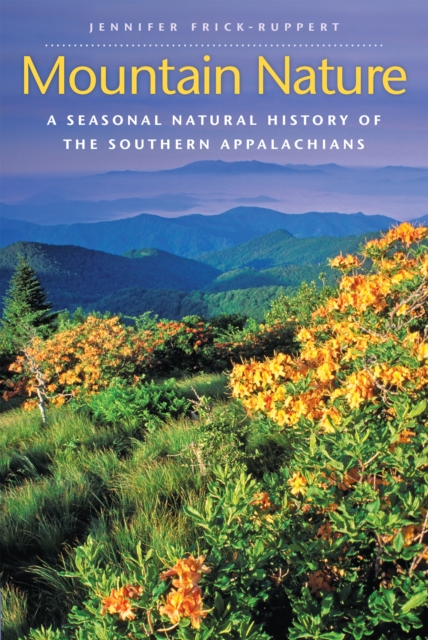
The Southern Appalachians are home to a breathtakingly diverse array of living things from delicate orchids to carnivorous pitcher plants, from migrating butterflies to flying squirrels, and from brawny black bears to more species of salamander than anywhere else in the world.
Revealing the untold stories of a pioneer generation of young Chinese Americans, this book places the children and families of early Chinatown in the middle of efforts to combat American policies of exclusion and segregation.
For decades, marine scientists Robert and Alice Jane Lippson have traveled the rivers, backwaters, sounds, bays, lagoons, and inlets stretching from the Chesapeake Bay to the Florida Keys aboard their trawler, Odyssey.
Crisscrossing her home state of North Carolina over the course of six tasty years, Foy Allen Edelman visited families in their own kitchens and communities and discovered a treasure trove of delicacies.
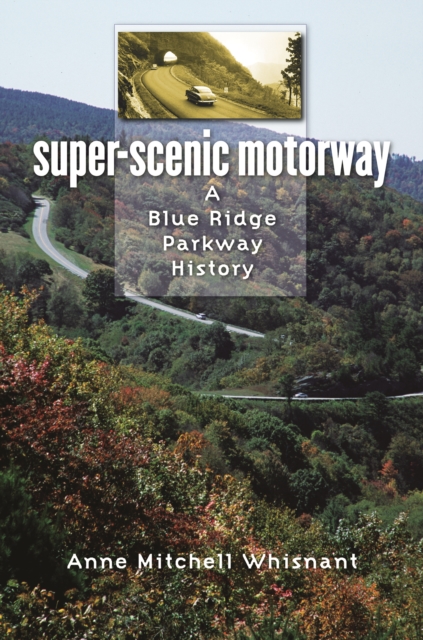
The most visited site in the National Park system, the 469-mile Blue Ridge Parkway winds along the ridges of the Appalachian mountains in Virginia and North Carolina.
Tom Carlson tells the story of Ernal Foster and the Foster family of Hatteras Village, who gave birth to what would become the multi-million dollar charter fishing industry on the Outer Banks.
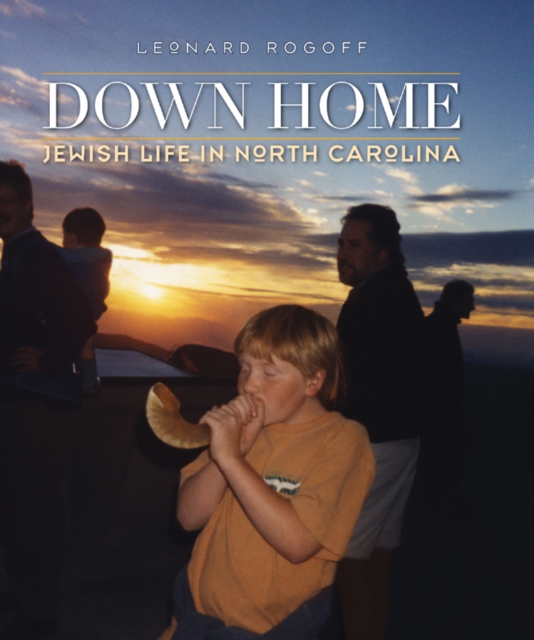
A sweeping chronicle of Jewish life in the Tar Heel State from colonial times to the present, this beautifully illustrated volume incorporates oral histories, original historical documents, and profiles of fascinating individuals.
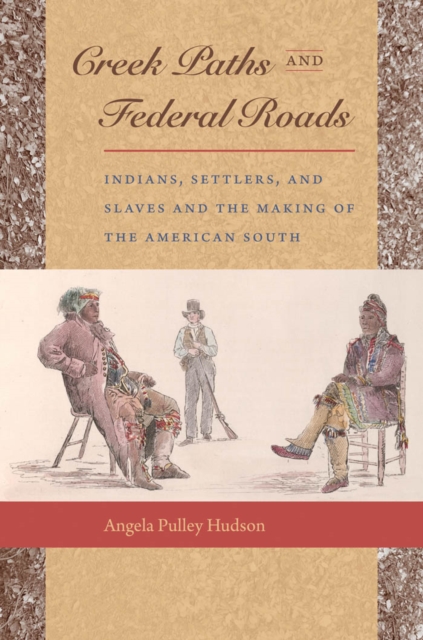
In Creek Paths and Federal Roads, Angela Pulley Hudson offers a new understanding of the development of the American South by examining travel within and between southeastern Indian nations and the southern states, from the founding of the United States until the forced removal of southeastern Indians in the 1830s.
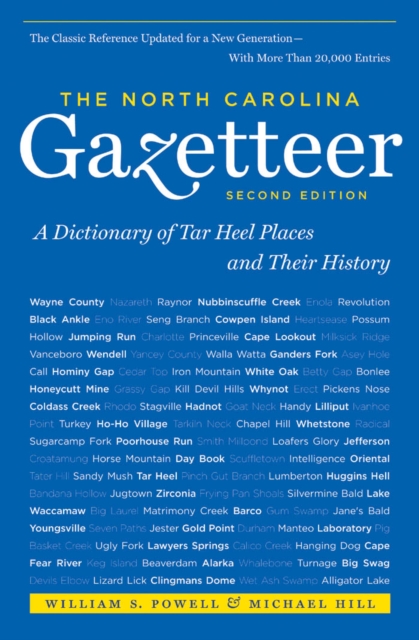
The North Carolina Gazetteer first appeared to wide acclaim in 1968 and has remained an essential reference for anyone with a serious interest in the Tar Heel State, from historians to journalists, from creative writers to urban planners, from backpackers to armchair travelers.
This volume of The New Encyclopedia of Southern Culture offers a current and authoritative reference to urbanization in the American South from the eighteenth century to the twenty-first, surveying important southern cities individually and examining the various issues that shape patterns of urbanization from a broad regional perspective.
Through a reexamination of the earliest struggles against Jim Crow, Blair Kelley exposes the fullness of African American efforts to resist the passage of segregation laws dividing trains and streetcars by race in the early Jim Crow era.
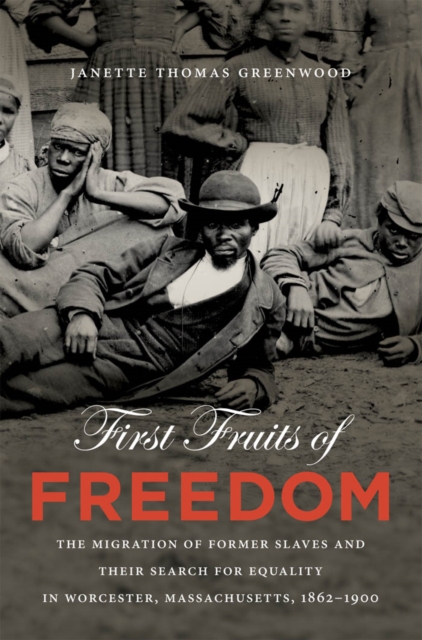
A moving narrative that offers a rare glimpse into the lives of African American men, women, and children on the cusp of freedom, First Fruits of Freedom chronicles one of the first collective migrations of blacks from the South to the North during and after the Civil War.
When Governor Terry Sanford established the North Carolina Fund in 1963, he saw it as a way to provide a better life for the tens of thousands whose family income is so low that daily subsistence is always in doubt.
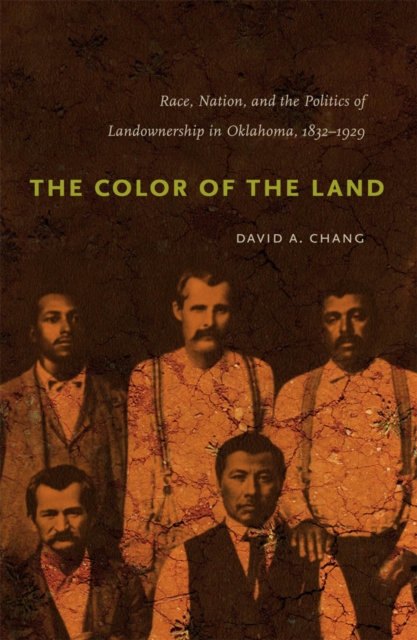
The Color of the Land brings the histories of Creek Indians, African Americans, and whites in Oklahoma together into one story that explores the way races and nations were made and remade in conflicts over who would own land, who would farm it, and who would rule it.
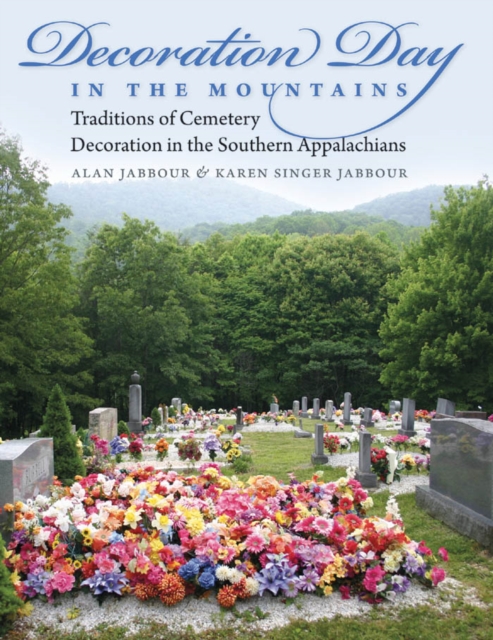
Decoration Day is a late spring or summer tradition that involves cleaning a community cemetery, decorating it with flowers, holding a religious service in the cemetery, and having dinner on the ground.
Michael O'Brien has masterfully abridged his award-winning two-volume intellectual history of the Old South, Conjectures of Order, depicting a culture that was simultaneously national, postcolonial, and imperial, influenced by European intellectual traditions, yet also deeply implicated in the making of the American mind.
One of the Souths most illustrious military leaders, Wade Hampton III was for a time the commander of all Lees cavalry and at the end of the war was the highest-ranking Confederate cavalry officer.
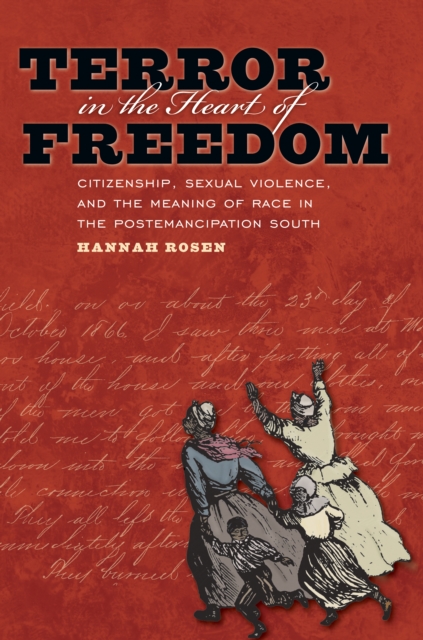
The meaning of race in the antebellum southern United States was anchored in the racial exclusivity of slavery (coded as black) and full citizenship (coded as white as well as male).
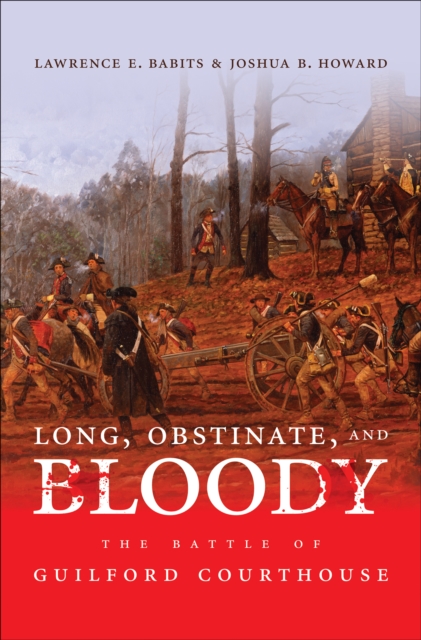
On March 15, 1781, the armies of Nathanael Greene and Lord Charles Cornwallis fought one of the bloodiest and most intense engagements of the American Revolution at Guilford Courthouse in piedmont North Carolina.
Offering a broad, up-to-date reference to the long history and cultural legacy of education in the American South, this timely volume of The New Encyclopedia of Southern Culture surveys educational developments, practices, institutions, and politics from the colonial era to the present.
Featuring over 600 wildflowers, flowering shrubs, and vines, this user-friendly field guide is the first to focus on the rare, fragile lands and species of the Sandhills region of the Carolinas and Georgia.
This volume contains a parade of exciting events written in a lively, readable style, with the purpose of pleasantly instructing the intermediate-grade student in North Carolina history.
Most southern cooks will agree with Debbie Moose when she writes, Like a full moon on a warm southern night, buttermilk makes something special happen.
Timely and provocative reflections on the future of the wild in an increasingly human worldThe Heart of the Wild brings together some of today's leading scientists, humanists, and nature writers to offer a thought-provoking meditation on the urgency of learning about and experiencing our wild places in an age of rapidly expanding human impacts.
Suzi Parron, in cooperation with Donna Sue Groves, documented the massive public art project known as the barn quilt trail in her 2012 book Barn Quilts and the American Quilt Trail Movement.