In recent years an enormous amount of cosmological data has come from well known projects such as the Hubble Space Telescope (HST) and the Cosmic Background Explorer (COBE).
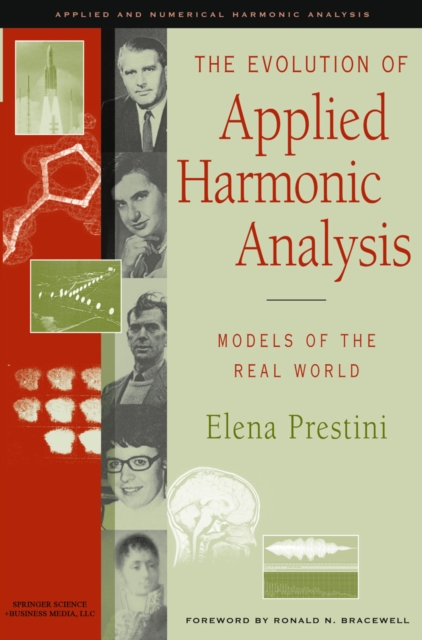
This book provides a brief and pedagogic introduction to a variety of topics, with a common motif that they all occur, in some way or other, in "e;the sky"e;, and involve some sort of "e;rhythm"e;.
In recent years an enormous amount of cosmological data has come from well known projects such as the Hubble Space Telescope (HST) and the Cosmic Background Explorer (COBE).
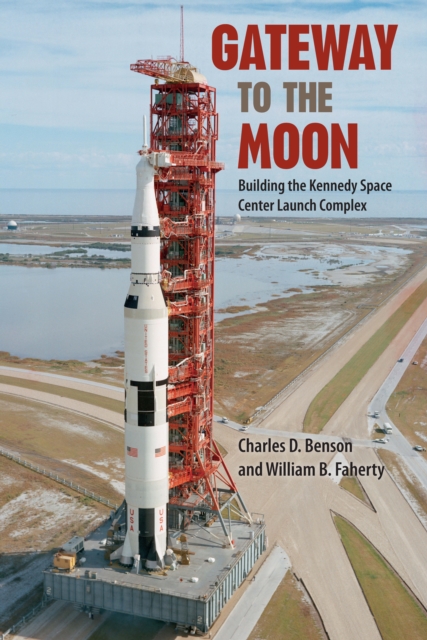
Available as an epub for the first timeGateway to the Moon presents the definitive history of the origins, design, and construction of the lunar launch facilities at Kennedy Space Center, the terrestrial site of one of the greatest achievements of humankind: the first trip to the moon.
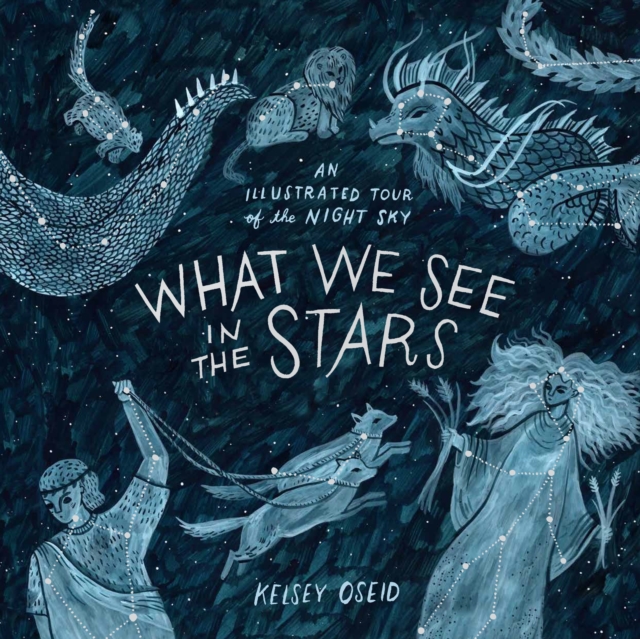
What We See in the Stars Kelsey Oseid is a richly illustrated guide to the myths, histories, and science of the celestial bodies of our solar system, with stories and information about constellations, planets, comets, the northern lights, and more.
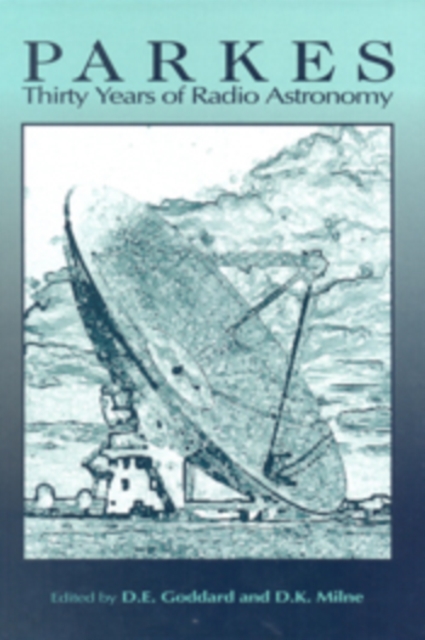
The opening of the Parkes radio telescope in October 1961 placed Australia at the forefront of international research in radio astronomy and ushered in an era of rapid developments in our understanding of the origin and nature of the Universe and our place within it.
Intelligent information Retrieval comprehensively surveys scientific information retrieval, which is characterized by growing convergence of information expressed in varying complementary forms of data - textual, numerical, image, and graphics; by the fundamental transformation which the scientific library is currently being subjected to; and by computer networking which as become an essential element of the research fabric.
Radiometric Tracking Techniques for Deep-Space Navigation focuses on a broad array of technologies and concepts developed over the last four decades to support radio navigation on interplanetary spacecraft.
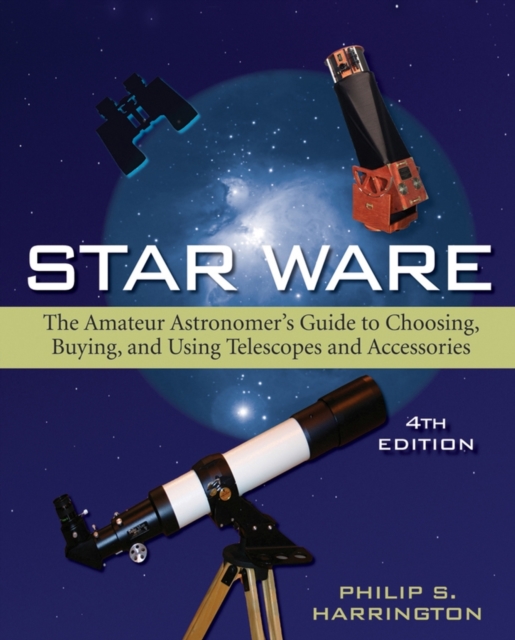
Praise for Star Ware "e;Star Ware is still a tour de force that any experienced amateur will find invaluable, and which hardware-minded beginners will thoroughly enjoy.
Long used in undergraduate and introductory graduate courses, Astrophysical Techniques, Seventh Edition provides an accessible yet comprehensive account of the innovate instruments, detectors, and techniques employed in astronomy and astrophysics.
Long used in undergraduate and introductory graduate courses, Astrophysical Techniques, Seventh Edition provides an accessible yet comprehensive account of the innovate instruments, detectors, and techniques employed in astronomy and astrophysics.
The historic detection of gravitational waves on September 14, 2015, prompted by the highly energetic fusion of two black holes, has made events in the universe "e;audible"e; for the first time.
The historic detection of gravitational waves on September 14, 2015, prompted by the highly energetic fusion of two black holes, has made events in the universe "e;audible"e; for the first time.
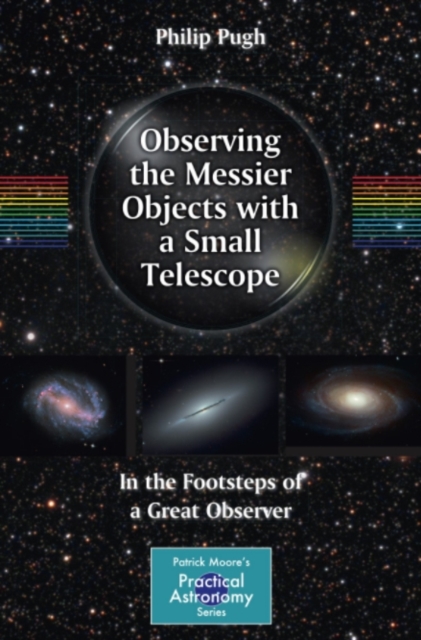
Observing the Messier Objects with a Small Telescope contains descriptions and photographs of the 103 Messier objects, with instructions on how to find them without a computerized telescope or even setting circles.
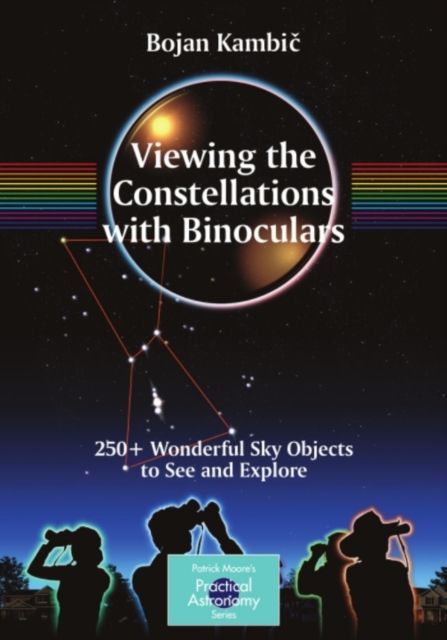
Viewing the Constellations with Binoculars is a complete guide to practical astronomy, written for beginners, intermediate-level astronomers, and even people who have not yet turned their gaze to the night sky.
Instead of taking somebody's word for it about the basic size and distance statistics for the solar system, this book shows amateur astronomers how to measure these things for themselves.
The Solar-B satellite was launched in the morning of 23 September 2006 (06:36 Japan time) by the Institute of Space and Astronautical Science, Japan Aerospace Exploration Agency (ISAS/JAXA), and was renamed to Hinode (‘sunrise’ in Japanese).
Deep-Sky Video Astronomy is a concise guide to using modern integrating video cameras for deep-sky viewing and imaging with the kinds of modest telescopes available commercially to amateur astronomers.
The Almagest, by the Greek astronomer and mathematician Ptolemy, is the most important surviving treatise on early mathematical astronomy, offering historians valuable insight into the astronomy and mathematics of the ancient world.
To commemorate the momentous 50th anniversary of Yuri Gagarin's pioneering journey into space on 12th April 2011, a series of five books - to be published annually - will explore this half century, decade by decade, to discover how humanity's knowledge of flying, working and living in space has changed.
China's most sophisticated system of computational astronomy was created for a Mongol emperor who could neither read nor write Chinese, to celebrate victory over China after forty years of devastating war.
Mechanical engineering, and engineering discipline born of the needs of the industrial revolution, is once again asked to do its substantial share in the call for industrial renewal.
Almost every amateur astronomer who has taken the pursuit to its second level aspires to a fixed, permanent housing for his telescope, permitting its rapid and comfortable use avoiding hours of setting-up time for each observing session.
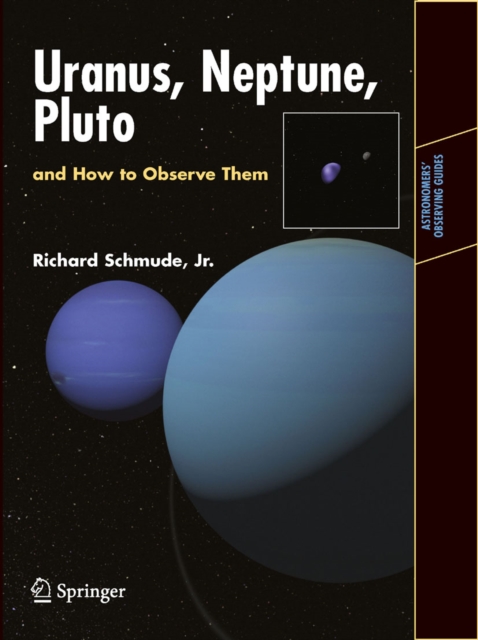
This book is for two groups of people: those who want to study the remote planets with amateur astronomical equipment, and those who are just interested in learning about our knowledge of the remote planets.
The purpose of the book is a dual one: to detail the nature and results of Tunguska investigations in the former USSR and present-day CIS, and to destroy two long-standing myths still held in the West.
The aim of this popular science text is to explain aerodynamic and astrodynamic flight without the use of mathematics, in an informal style, for non-technical readers who are interested in spaceflight and spacecraft.
MARS ON OUR MINDS No one would have believed in the last years of the nineteenth century that this world was being watched keenly and closely by intelligences greater than man's and yet as mortal as his own .