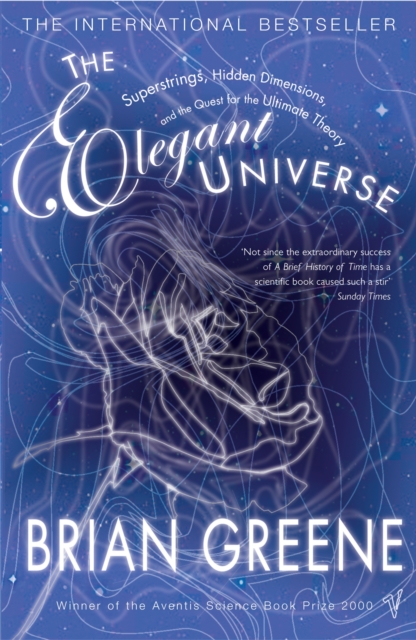
Die Jagd nach der Weltformel – über 20 Wochen auf der Spiegel-Bestseller-ListeEine Harvard-Physikerin sorgt mit ihrem Buch über verborgene Dimensionen des Universums für Furore.
From the ancient origins of astronomy to the Copernican revolution, and from Galileo to Hawking's research into black holes, The Story of Astronomy charts the discoveries made by some of the greatest minds in human history, and their attempts to unveil the secrets of the stars.
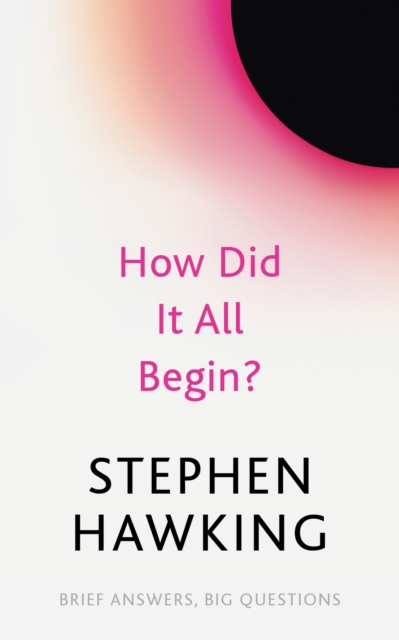
The Big Questions series enables renowned experts to tackle the 20 most fundamental and frequently asked questions of a major branch of science or philosophy.
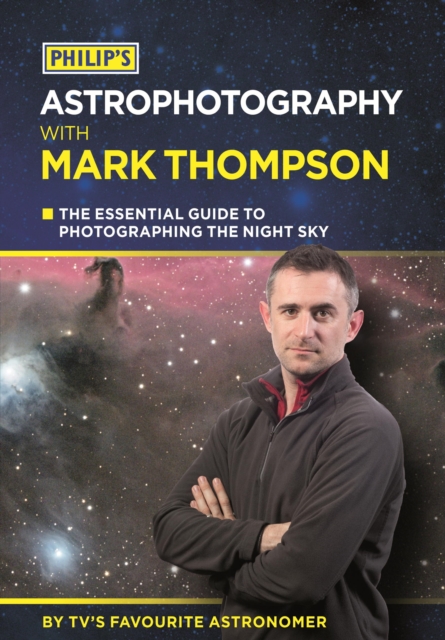
Philip's Astrophotography With Mark Thompson is an essential guide for anyone wishing to photograph or image the stars and planets, written by TV's favourite astronomer.
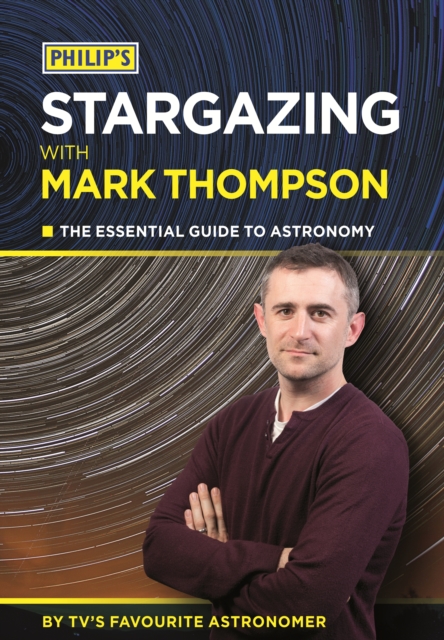
Philip's Stargazing With Mark Thompson provides the perfect introduction to the fascinating hobby of astronomy for beginners, written by TV's favourite astronomer.
In this scientific tour de force, world-class physicist Frank Wilczek argues that beauty is at the heart of the logic of the universe, a principle that has guided his pioneering work in quantum physics.
In this exhilarating new book, Brian Greene explores our most current understanding of the universe, its deepest laws of nature, and our continuing quest to know more.
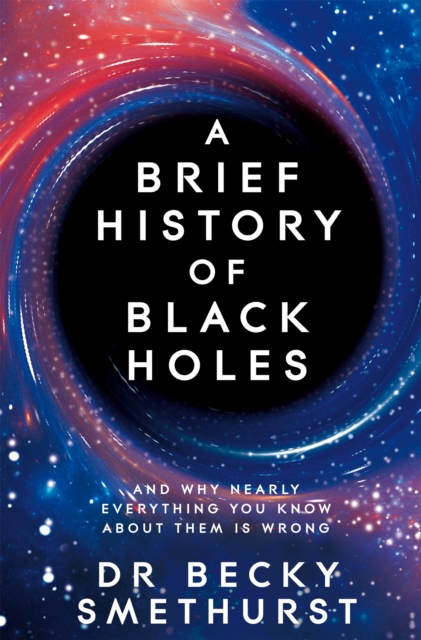
We have long understood black holes to be the points at which the universe as we know it comes to an end - mysterious chasms so destructive and unforgiving that not even light can escape their deadly power.
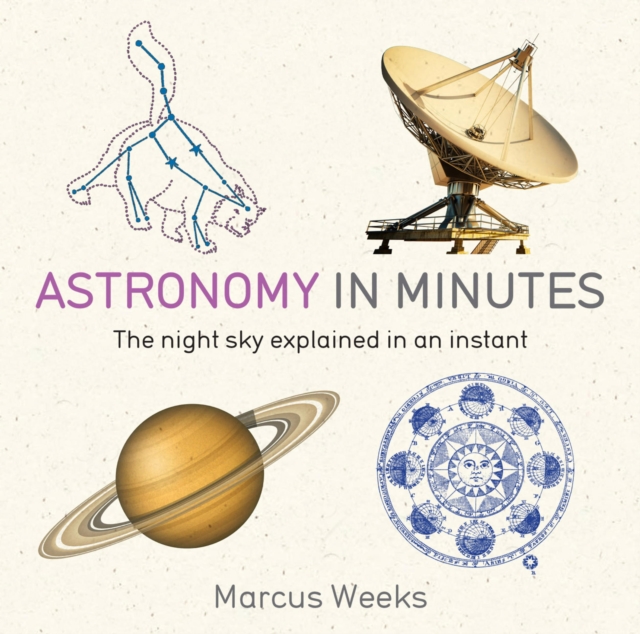
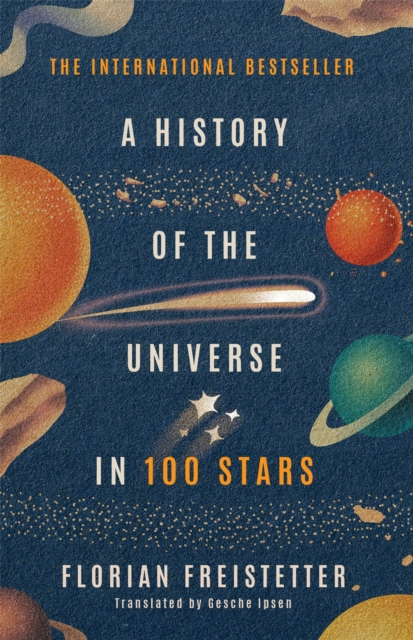
'Bite-sized, cutting edge science delivered with enormous enthusiasm - all you need to travel the cosmos' CHRIS LINTOTT 'A lot of astrophysics is packed into this neat little book .
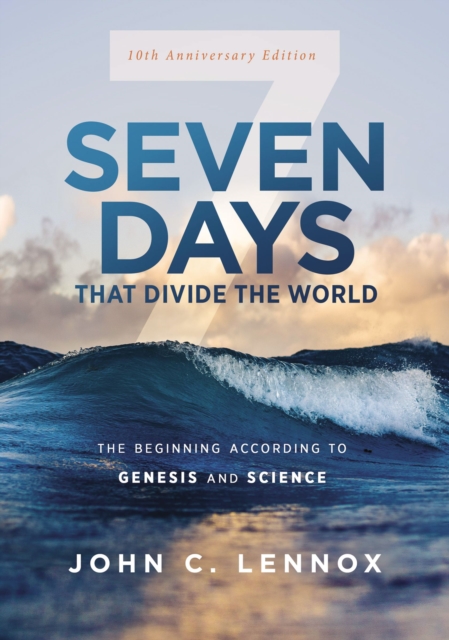
Now revised and updated--John Lennox's acclaimed method of reading and interpreting the first chapters of Genesis without discounting either science or Scripture.
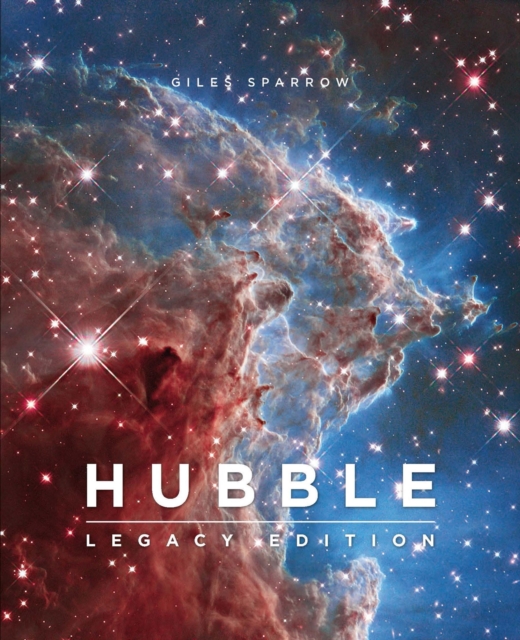
For 20 years the Hubble Space Telescope has been hurtling around our planet at 17,500 mph sending spectacularly sharp images of the universe back to Earth.
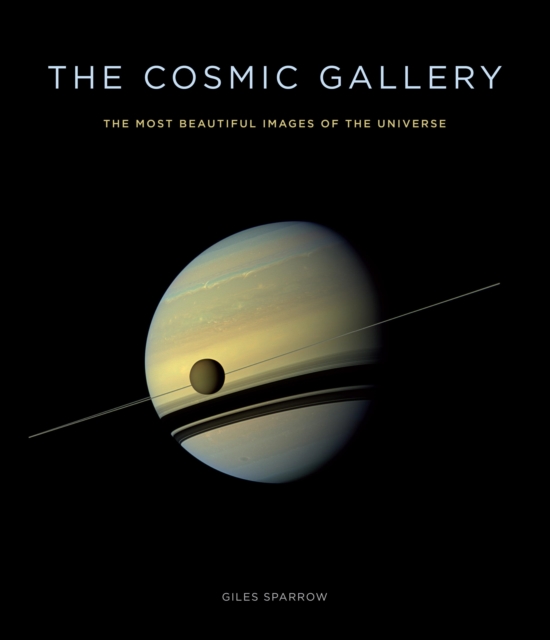
The heavens are alive with breathtaking beauty: from the incandescent surface of the Sun to the shimmering tail of a comet; the birth of planets to the death of stars; the dancing shadows of Jupiter's moons to the silhouettes of eclipses.
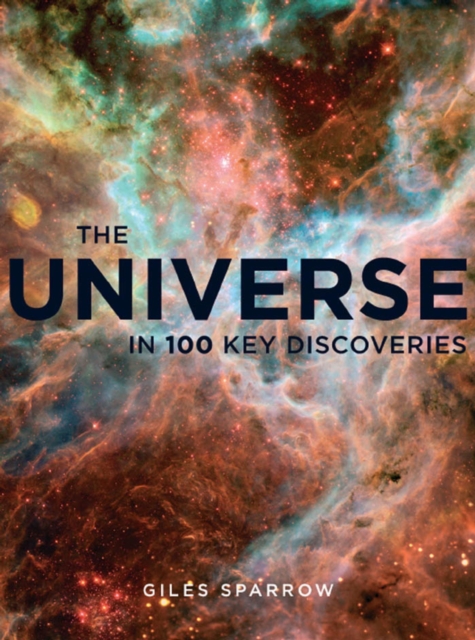
This stunning collection of images and essays surveys the key breakthroughs that have shaped our understanding of the universe around us - from the discovery of the solar system, to Supermassive black holes and the remote depths of the cosmos.
Meet the players in the most fundamental scientific revolution since Copernicus The Facts of MatterIt is one of the most disturbing aspects of our universe: only four per cent of it consists of the matter that makes up every star, planet, and every book.
From Stonehenge to beyond the Big Bang, an exhilarating scientific exploration of how we make timeFrom a Palaeolithic farmer living by the sun and stone plinths to the factory worker logging into an industrial punch clock to the modern manager enslaved to Outlook's 15-minute increments, our relationship with time has constantly evolved alongside our scientific understanding of the universe.
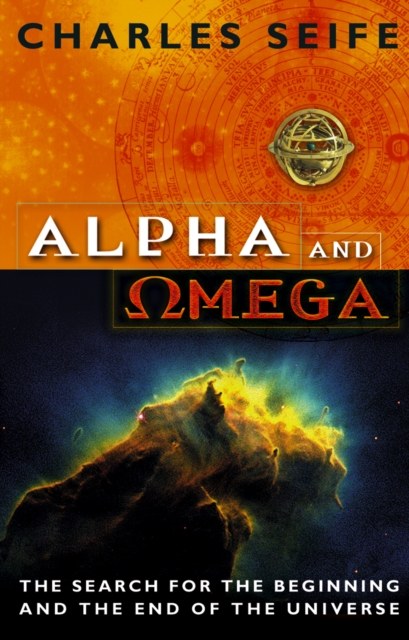
A fascinating account of current theories on the way the universe will come to an endThe last three minutes of the universe has been the subject of much scientific and lay speculation for many years.
A leading cosmologist explains our current understanding of space and timeThere was immense excitement in the scientific community and among the general public when the COBE space probe sent back data that proved not only that the Big Bang had happened but also that it had happened at more or less exactly the time that astronomers had calculated.
*; Explores how we naturally project consciousness onto machines and how this is reflected in human culture, science, artificial intelligence, and literature *; Demonstrates a direct connection between consciousness and the history of machines in American history *; Looks at the contributions and influence of Grace Hopper, Richard Feynman, Philip K.
*; Shares the results of the author's rigorous, repeatable, and predictable experiments with subtle energy *; Shows how the mind interacts with matter by means of subtle energy--the key to the placebo effect, the healing power of affirmations and prayers, and energy medicine *; Demonstrates how to harness subtle energy and explains the author's technology to generate subtle energy formulations with practical applications Instruments of modern physics can measure the energies of the electromagnetic spectrum, but these energies only account for roughly 4 percent of the total identifiable mass-energy of the universe.
Im Oktober 2024 hat die Europäische Weltraumagentur ESA ein Video auf Youtube veröffentlicht, das die ersten Aufnahmen der Euclid-Mission zusammenfügt.
A tour through the new science of the Omniverse, its spiritual and physical dimensions, and its incalculable intelligent civilizations *; Reveals the key travel and communication technologies of the Omniverse: time travel, teleportation, and telepathy *; Unveils newly disclosed state secrets about these technologies, about the findings of the NASA Mars rover missions, and about a secret colony and life on Mars *; Explains through science how souls are holographic fragments of God and how they help create planets, solar systems, galaxies, and universes in the multiverse We are all citizens of the Omniverse, the overarching matrix of energy, spirit, and intelligence that encompasses all that exists: all universes within the multiverse as well as the spiritual dimensions centered on the divine Source that many call God.
A groundbreaking exploration of how psychedelics and quantum science are vital to understanding the evolution of consciousness and reality *; Explains why altered states of consciousness exist, how they work, and why psychedelics have the effects that they do *; Describes how quantum waves, rather than the DNA molecule, have been the driving force behind biological and historical evolution *; Explains how psychedelics interact with the human mind to create altered states that may further the continued evolution of consciousness In this groundbreaking book, Carl Johan Calleman reveals the quantum science of the Maya, a science lost to the modern world that explains the phenomenology of psychedelics and altered states of consciousness.
In einer Zeit, in der das Abendland noch in den Schatten des Mittelalters gehüllt war, erstrahlte im Osten ein Licht der Erkenntnis, das die Nacht des Unwissens durchbrach.
In A Brief History of Black Holes, award-winning University of Oxford researcher Dr Becky Smethurst charts five hundred years of scientific breakthroughs in astronomy and astrophysics.
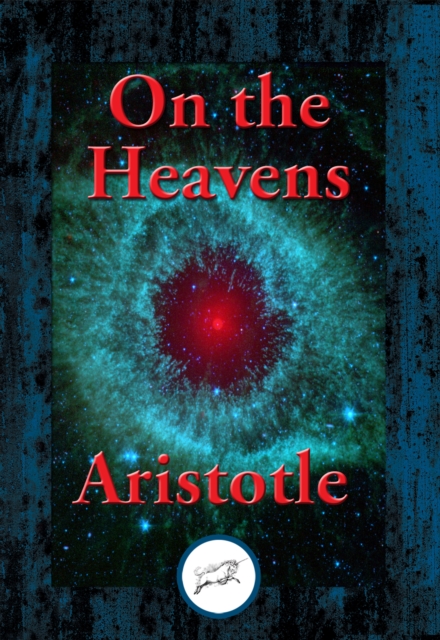
THE science which has to do with nature clearly concerns itself for the most part with bodies and magnitudes and their properties and movements, but also with the principles of this sort of substance, as many as they may be.
The most thrilling, genre-busting, unlikely science book you ll ever read, from the world-renowned, multi-award-winning, superstar physicist Lisa Randal.
'Throughout the many ups and downs, the successes and the failures in my life, there has been a consistent and all-embracing belief that a positive attitude produces results.
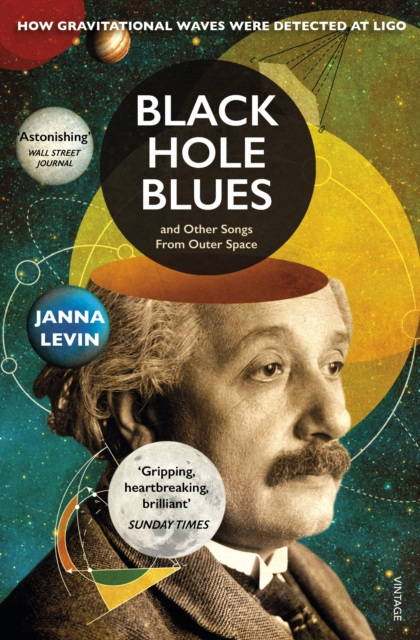
The full inside story of the detection of gravitational waves at LIGO, one of the most ambitious feats in scientific history*Selected as a Book of the Year 2016 in the Sunday Times*'This is empirical poetry.