An exploration of space and time and a journey of discovery, through thirteen of the most fascinating Christmas Lectures given at the Royal Institution of Great Britain over the last 200 years.
From Stonehenge to beyond the Big Bang, an exhilarating scientific exploration of how we make timeFrom a Palaeolithic farmer living by the sun and stone plinths to the factory worker logging into an industrial punch clock to the modern manager enslaved to Outlook's 15-minute increments, our relationship with time has constantly evolved alongside our scientific understanding of the universe.
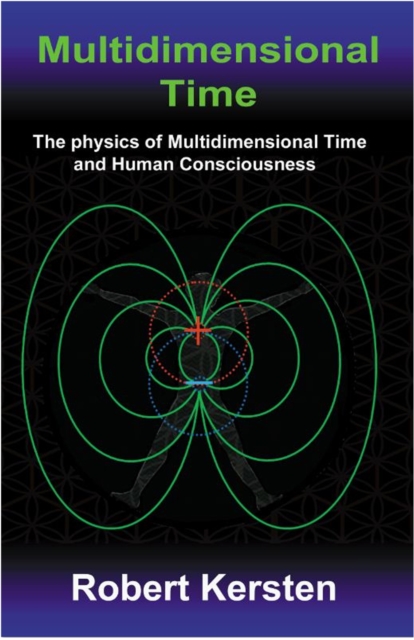
The reader will be familiarized with some inconspicuous additions to the theory of relativity and quantum theory, which concern the energy density in cosmic and sub-nuclear domains.
Our human experience in time can be like watching a movie trailer but never actually getting to see the movie or looking away momentarily and realizing the movie was fast-forwarded to another scene.
Did you know that the ancient Romans left sixty days of winter out of their calendar, considering these two months a dead time of lurking terror and therefore better left unnamed?
El calendario profético Maya no está ajustado al movimiento de los cuerpos planetarios, más bien funciona como un mapa metafísico de la evolución de la consciencia y registra cómo fluye el tiempo espiritual, brindando una nueva ciencia del tiempo.
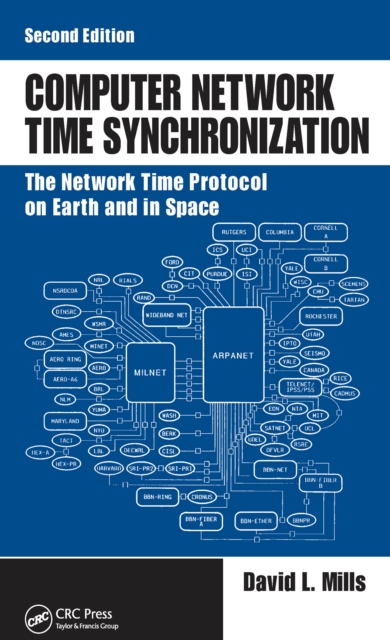
Carefully coordinated, reliable, and accurate time synchronization is vital to a wide spectrum of fields-from air and ground traffic control, to buying and selling goods and services, to TV network programming.
In 1900 a group of sponge divers blown off course in the Mediterranean discovered an Ancient Greek shipwreck near the island of Antikythera dating from around 70 BC.
Carefully coordinated, reliable, and accurate time synchronization is vital to a wide spectrum of fields-from air and ground traffic control, to buying and selling goods and services, to TV network programming.
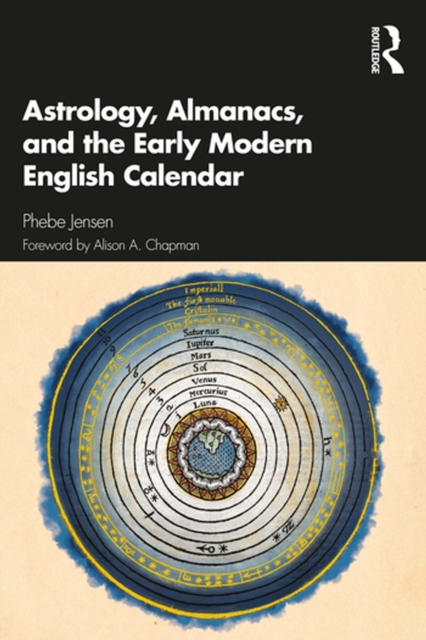
Astrology, Almanacs, and the Early Modern English Calendar is a handbook designed to help modern readers unlock the vast cultural, religious, and scientific material contained in early modern calendars and almanacs.
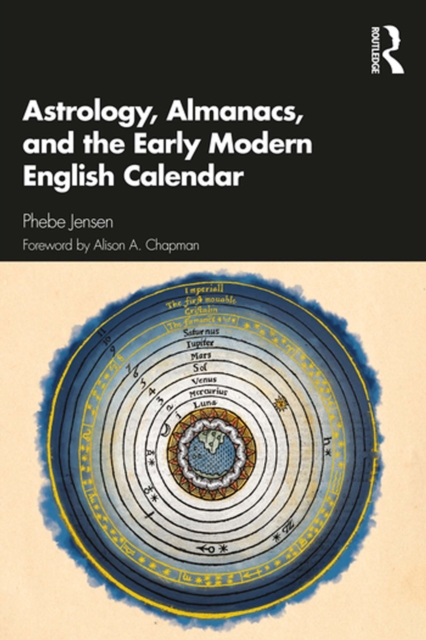
Astrology, Almanacs, and the Early Modern English Calendar is a handbook designed to help modern readers unlock the vast cultural, religious, and scientific material contained in early modern calendars and almanacs.
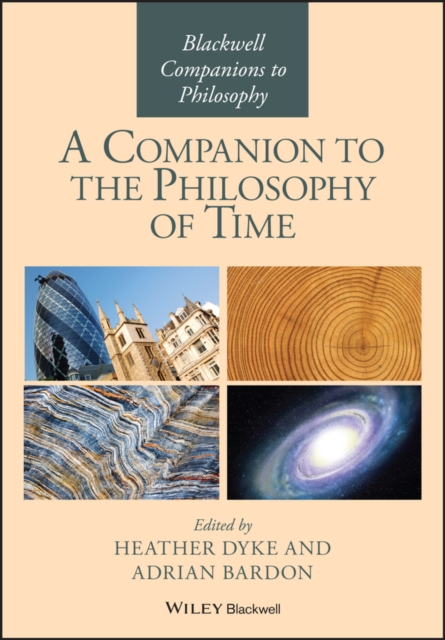
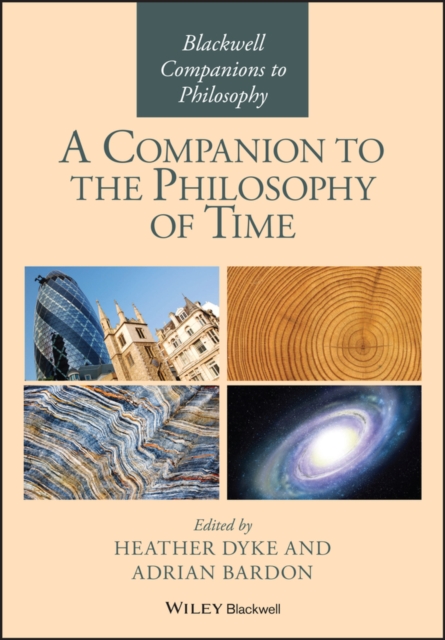
A Companion to the Philosophy of Time presents the broadest treatment of this subject yet; 32 specially commissioned articles - written by an international line-up of experts provide an unparalleled reference work for students and specialists alike in this exciting field.
A Companion to the Philosophy of Time presents the broadest treatment of this subject yet; 32 specially commissioned articles - written by an international line-up of experts provide an unparalleled reference work for students and specialists alike in this exciting field.
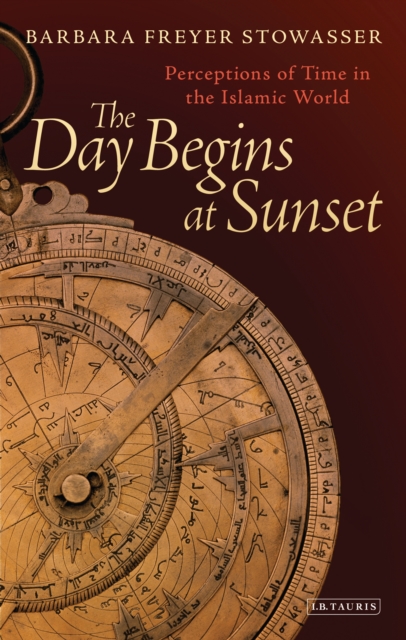
The fullest account ever written of the fascinating nexus between Islam and Time, this is a major contribution to the wider history of ideas and religion.
For over two and a half millennia human beings have attempted to invent strategies to "e;discover"e; the truth of time, to determine whether time is infinite, whether eternity is the infinite duration of a continuous present, or whether it too rises and falls with the cycles of universal creation and destruction.
In this pathbreaking philosophical work, Elizabeth Grosz points the way toward a theory of becoming to replace the prevailing ontologies of being in social, political, and biological discourse.
"e;Helga Nowotny's exploration of the forms and meaning of time in contemporary life is panoramic without in any way partaking of the blandness of a survey.
In this book the author moves beyond the time of clocks and calendars in order to study time as embedded in social interactions, structures, practices and knowledge, in artefacts, in the body, and in the environment.
It has always been assumed that an Electric field shines from out the charge of an Electron, that Electrons are thus creating the Electric field, when in fact it is the other way around, it is a Universal field that is projecting Electrons.
Time is the one thing that is shared by all of humanity, irrespective of wealth, health, race or credo; and one of the things that makes us individual is how we choose to spend it.