Volume 1 of this Series is intended to give the reader a fundamental understanding of the key areas deemed essential to the study of bioelec- trochemistry.
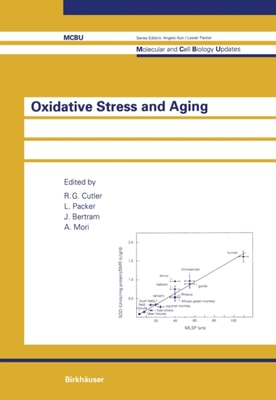
Oxidative stress and aging Over the past several years there has been an extraordinarily rapid growth in our knowledge of free radical chemistry and its possible involvement in both normal essential biology and age- related disease and dysfunction.
Antimicrobial peptides have been the subject of intense research in the past decades, and are now considered as an essential part of the defense system in bacteria, plants, animals and humans.
The knowledge of Th17 cells and other cell populations which secrete IL-17A, and/or IL-22 has expanded tremendously since the publication of the first edition "e;Th17 Cells: Role in Inflammation and Autoimmune Disease"e; in 2008.
Das Heft umfasst folgende Berichte: Gesundheitliche Bewertung von pharmakologisch wirksamen Substanzen; Lebensmittelsicherheit von Rückständen von Tierarzneimitteln; Target Animal Safety for Veterinary Pharmaceutical Products (VICH GL 43); Beurteilung und Überwachung der Resistenzsituation bei und nach der Zulassung von Tierarzneimitteln.
Das Heft umfasst folgende Berichte: Gesundheitliche Bewertung von pharmakologisch wirksamen Substanzen; Lebensmittelsicherheit von Rückständen von Tierarzneimitteln; Target Animal Safety for Veterinary Pharmaceutical Products (VICH GL 43); Beurteilung und Überwachung der Resistenzsituation bei und nach der Zulassung von Tierarzneimitteln.
The series Topics in Current Chemistry Collections presents critical reviews from the journal Topics in Current Chemistry organized in topical volumes.
This book deals with the recent advances in DNA-Encoded Library (DEL) technology that has emerged as an alternative to high throughput screening (HTS) over the last decade and has been heralded as a "e;disruptive"e; technology for drug discovery.
Molecular farming is a biotechnological approach that includes the genetic adjustment of agricultural products to create proteins and chemicals for profitable and pharmaceutical purposes.
With one volume each year, this series keeps scientists and advanced students informed of the latest developments and results in all areas of the plant sciences.
The Protein Reviews series serves as a publication vehicle for reviews that focus on crucial contemporary and vital aspects of protein structure, function, evolution and genetics.
This new book provides comprehensive coverage of the subjects of deuterium oxide and deuteration in biosciences, with an emphasis on the biochemical, biomedical, and pharmacological aspects.
This book explains how peptide-based drug design works, what steps are needed to develop a peptide-based therapeutic, and challenges in synthesis as well as regulatory issues.
This book covers the latest findings of a wide variety of viral, prokaryotic and eukaryotic macromolecular protein complexes and builds upon the solid macromolecular foundations established by previous volumes of the Subcellular Biochemistry series.
This book has been developed to provide a detailed discussion of probiotics, which have been evaluated for use predominantly in fish and shellfish aquaculture.
The book provides a comprehensive review of the fundamental and practical aspects of bioanalytical support and the integral role it plays in the development of safe and efficacious biopharmaceutical drugs with speed and cost-effectiveness.
This textbook is designed for students of biology, molecular biology, ecology,medicine, agriculture, forestry and other professions where the knowledge of organic chemistry plays an important role.
This book provides a detailed summary of the therapeutic benefits of natural extracts from medicinal plants, mushrooms, algae, fungi and sponges and their role in the prevention and treatment of obesity and diabetes, offering readers a solid introduction to obesity and diabetes as well as current treatment models.
This book is the first comprehensive compilation describing the importance of sandalwood in national and international markets, genetic resources, molecular markers, whole genome sequencing, and pathway genes involved in oil biosynthesis, aroma and fragrance.
This volume gathers a selection of original articles and reviews on timely topics about the application of Taurine in human health written by members of the International Taurine Society, including COVID-19, cancer, heart disease, and diabetes, among others.
This book is designed to serve as a textbook for core as well as elective courses offered to undergraduate and advanced undergraduate students enrolled in chemistry.
This book aims to present the age-related alterations in redox signaling networks and their diagnostic biomarkers in aging cells using multidisciplinary approach.
This book will present information on Pantanal vegetation including an updated checklist of flora, useful plants, ecological aspects and some topics never published for this region, such as lichens.
Soybean Seed Composition covers three decades of advances in quantitative trait loci (QTL) mapping of seed protein, oil, fatty acids, amino acids, sugars, mineral nutrients, isoflavones, lunasin, and other beneficial compounds.
This textbook covers the main tools and techniques used in bioanalysis, provides an overview of their principles, and offers several examples of their application and future trends in diagnosis.
This book provides a comprehensive reference guide to plant-derived antioxidants, their beneficial effects, mechanisms of action, and role in disease prevention and improving general health (anti-ageing effect).
This book provides an overview of the recent advancements for plant scientists with a research focus on phytohormones and their responses (nature, occurrence, and functions) in plant cells.
This new edition describes the role of heat shock proteins in the life cycle of malaria parasites, particularly in the context of intracellular parasite stages.
This book focuses on the role of hydrogen sulfide in the protection of plants against abiotic stresses and abiotic stress-induced complications by the way of converging advanced key methods of proteomics, genomics, and metabolomics.