This book is a result of the authors' more than 40 years of study on the behavior, populations, and heavy metals in the colonial waterbirds nesting in Barnegat Bay and the nearby estuaries and bays in the Northeastern United States.
Get Insight on the Function of Supercomplexes in Biological SystemsRedox Proteins in Supercomplexes and Signalosomes is one of the first books to explore the key role played by redox proteins and their interaction network in a wide range of essential cellular processes in all domains of life.
The most talked about metalloid in the modern world, arsenic affects the liver, kidney, and lungs; leads to cardiovascular diseases, cancer, and diabetes; and may cause blindness with long-time exposure.
Connecting past, present, and future instrument development and use, Biocalorimetry: Foundations and Contemporary Approaches explores biocalorimetry's history, fundamentals, methodologies, and applications.
Polycyclic Aromatic Hydrocarbons (PAHs) are a group of semi-volatile organic compounds that are formed during the incomplete burning of gas, coal, oil, wood, garbage, or other organic substances.
Polysaccharides and related high molecular weight glycans are hugely diverse with wide application in Biotechnology and great opportunities for further exploitation.
Biomaterials, Medical Devices, and Combination Products is a single-volume guide for those responsible for-or concerned with-developing and ensuring patient safety in the use and manufacture of medical devices.
Written as a reference to be used within University, Departmental, Public, Institutional, Herbaria, and Arboreta libraries, this book provides the first starting point for better access to data on medicinal and poisonous plants.
Adverse Drug Interactions: A Handbook for Prescribers assists clinicians by providing key information on potential adverse effects that can result from prescribing two or more drugs for simultaneous use.
There is a renewed interest in the fundamentals of energy metabolism, yet most people base their understanding on the views of generalists expressed in elementary textbooks.
The field of humic matter research has undergone drastic changes in concepts and principles since the first edition of Humic Matter in Soil and the Environment: Principles and Controversies was published more than a decade ago.
Toxins and Biologically Active Compounds from Microalgae: Volume 2: Biological Effects and Risk Management is devoted to the effects toxic microalgae and their poisonous products exert on living systems and how they may affect human activities.
Since the publication of the previous editions of the Handbook of Photosynthesis, many new ideas on photosynthesis have emerged in the past decade that have drawn the attention of experts and researchers on the subject as well as interest from individuals in other disciplines.
A Unified Microscopic Approach to Analyzing Complex Processes in Molecular MotorsMotor Proteins and Molecular Motors explores the mechanisms of cellular functioning associated with several specific enzymatic molecules called motor proteins.
Spin-label electron paramagnetic resonance (EPR) spectroscopy is a versatile molecular probe method that finds wide application in molecular biophysics and structural biology.
Ever-increasing interest in oceanography and marine biology and their relevance to global environmental issues creates a demand for authoritative reviews summarising the results of recent research.
A Colour Handbook of Skin Diseases of the Dog and Cat was one of the first books to bring key information about skin diseases to clinicians in an easy-to-use problem-oriented format.
Basics of Molecular Recognition explores fundamental recognition principles between monomers or macromolecules that lead to diverse biological functions.
The Handbook of Laboratory Animal Bacteriology, Second Edition provides comprehensive information on all bacterial phylae found in laboratory rodents and rabbits to assist managers, veterinary pathologists and laboratory animal veterinarians in the management of these organisms.
Offering a different, more engaging approach to teaching and learning, Organic Chemistry: A Mechanistic Approach classifies organic chemistry according to mechanism rather than by functional group.
Maintaining its user-friendly approach, this new edition of a bestseller summarizes information necessary for the effective and efficient operation of an IACUC.
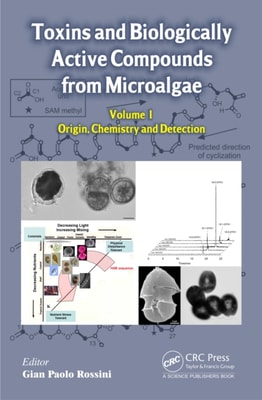
This book provides a structured account of the existing knowledge of toxic algae, the chemistry of the toxins they produce, the effects these substances exert in humans and wildlife, as well as the strategies envisaged to protect public health and the environment.
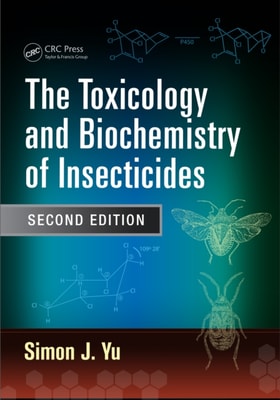
Despite their potentially adverse effects on nontarget species and the environment, insecticides remain a necessity in crop protection as well as in the reduction of insect-borne diseases.
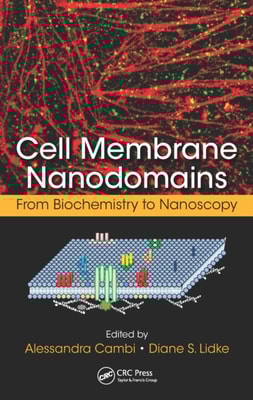
Cell Membrane Nanodomains: From Biochemistry to Nanoscopy describes recent advances in our understanding of membrane organization, with a particular focus on the cutting-edge imaging techniques that are making these new discoveries possible.
The present work evaluates the toxic effects of some environmental stressors on fish eggs and larvae and describes the biomarker responses of fish from locations with varying levels of pollution.
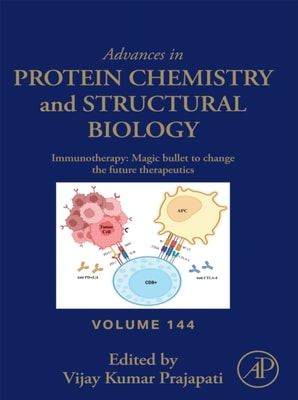
FORMTEXT Immunotherapy is emerging as a novel and reliable therapeutic technique for treating diseases such as autoimmunity, HIV/AIDS, allergy and cancers.
Nourishing Dance: An Essential Guide on Nutrition, Body Image, and Eating Disorders is written with an insider's understanding of the unique needs and pressures of the dance world and the expertise of an eating disorder specialist, dietitian, clinician, and educator.
In recent years experimental and numerical studies have shown that chaos is a widespread phenomenon throughout the biological hierarchy ranging from simple enzyme reactions to ecosystems.
The Industry-University Cooperative Chemistry Program has sponsored seven previous international symposia covering a wide variety of topics of interest to industrial and academic chemists.