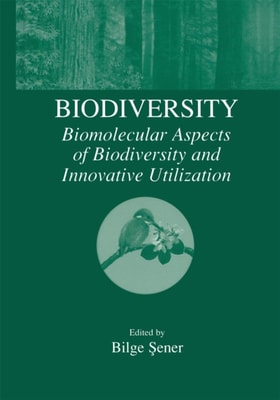
This concise text on biologically active substances of the food, pharmaceutical and agricultural industries presents data on natural compounds of vegetable and animal origin.
Its farming and fishing industries yield an impressive harvest of ingredients, so it is no surprise to discover that Sussex also boasts a rich culinary heritage.
Readers may be surprised to learn the real origins of Lancashire hotpot and discover that some of those all-time-favourites like Jelly Babies, Vimto, and Fox's biscuits all have their roots in the county.
Molecular Life Sciences: An Encyclopedic Reference will focus on understanding biological phenomena at the level of molecules and their interactions that govern life processes.
The field of plant nitrogen metabolism continues to be a compelling focus for basic research activities because there is a strong demand for immediate solutions, particularly in key areas, such as improving plant nitrogen use efficiency, which are crucial to future agricultural sustainability and the future economic success of agriculture.
The field of plant nitrogen metabolism continues to be a compelling focus for basic research activities because there is a strong demand for immediate solutions, particularly in key areas, such as improving plant nitrogen use efficiency, which are crucial to future agricultural sustainability and the future economic success of agriculture.
This brand new Annual Plant Reviews volume is the second edition of the highly successful and well-received Functions of Plant Secondary Metabolites and their Exploitation in Biotechnology (Annual Plant Reviews, Volume 3).
Bioenergetics is the study of the way biological systems, usually at the molecular level, utilize and convert energy in order to drive the biochemical reactions that constitute life.
This guide covers aspects of designing microarray experiments and analysing the data generated, including information on some of the tools that are available from non-commercial sources.
This book provides an up-to-date summary of the principles of protein evolution and discusses both the methods available to analyze the evolutionary history of proteins as well as those for predicting their structure-function relationships.
Whether you are following a problem-based, an integrated, or a more traditional medical course, clinical biochemistry is often viewed as one of the more challenging subjects to grasp.
Systems biology refers to the quantitative analysis of the dynamic interactions among several components of a biological system and aims to understand the behavior of the system as a whole.
Since 1959, the International Society of Arterial Chemoreception (ISAC) has organized in a variety of countries fifteen scientific meetings devoted to the mechanisms of peripheral arterial chemoreception and chemoreceptor reflexes.
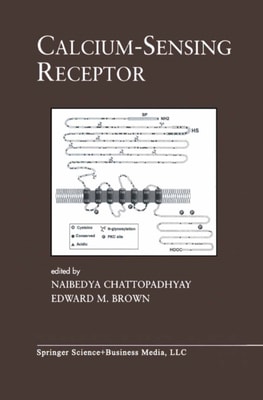
Calcium-Sensing Receptor provides an overview of various aspects of the calcium receptor's biochemistry, physiology and pathophysiology that is suitable both for those who have been working in the field of Ca2+0-sensing as well as those who are new to this discipline.
Reviews of Environmental Contamination and Toxicology attempts to provide concise, critical reviews of timely advances, philosophy, and significant areas of accomplished or needed endeavor in the total field of xenobiotics, in any segment of the environment, as well as toxicological implications.
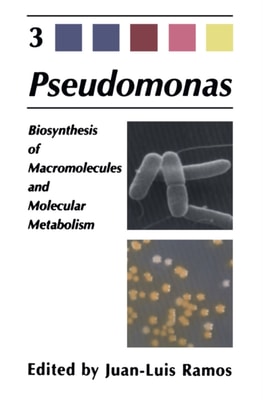
Pseudomonas comprises three volumes covering the biology of pseudomonads in a wide context, including the niches they inhabit, the taxonomic relations among members of this group, the molecular biology of gene expression in different niches and under different environmental conditions, the analysis of virulence traits in plants, animals and human pathogens as well as the determinants that make some strains useful for biotechnological applications and promotion of plant growth.
Pseudomonas comprises three volumes covering the biology of pseudomonads in a wide context, including the niches they inhabit, the taxonomic relations among members of this group, the molecular biology of gene expression in different niches and under different environmental conditions, the analysis of virulence traits in plants, animals and human pathogens as well as the determinants that make some strains useful for biotechnological applications and promotion of plant growth.
Pseudomonas comprises three volumes covering the biology of pseudomonads in a wide context, including the niches they inhabit, the taxonomic relations among members of this group, the molecular biology of gene expression in different niches and under different environmental conditions, the analysis of virulence traits in plants, animals and human pathogens as well as the determinants that make some strains useful for biotechnological applications and promotion of plant growth.
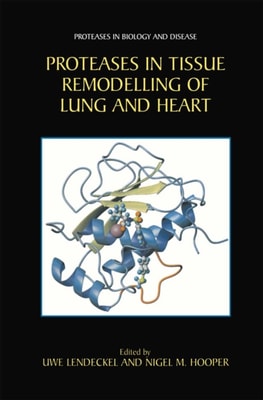
Proteases in Tissue Remodelling of Lung and Heart is unique for its comprehensive presentation of protease function in lung and heart under both physiological conditions and major diseases manifesting in these two organs.
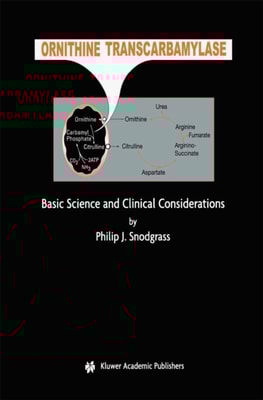
Ornithine Transcarbamylase: Basic Science and Clinical Considerations, written by a leading expert on OTC, for the first time assembles and analyzes more than 40 years of basic science and clinical research.
Neural Mechanisms of Cardiovascular Regulation responds to current questions about how neurons in the central and peripheral nervous systems regulate the cardiovascular system.
This volume presents the proceedings of a muscle symposium, which was supported by the grant from the Fujihara Foundation of Science to be held as the Fourth Fujihara Seminar on October 28 -November 1, 2002, at Hakone, Japan.
Electron magnetic resonance spectroscopy is undergoing something akin to a renaissance that is attributable to advances in microwave circuitry and signal processing software.
Aminopeptidases in Biology and Disease provides a comprehensive review of the emerging role of aminopeptidases in a range of biological processes and disease situations.
In the past half century, filamentous fungi have grown in commercial importance not only in the food industry but also as sources of pharmaceutical agents for the treatment of infectious and metabolic diseases and of specialty proteins and enzymes used to process foods, fortify detergents, and perform biotransformations.
A Beginner's Guide to Microarrays addresses two audiences - the core facility manager who produces, hybridizes, and scans arrays, and the basic research scientist who will be performing the analysis and interpreting the results.