This book provides a comprehensive overview of the basic principles, concepts, techniques and latest advances in the field of biomembranes and membrane-associated processes.
This book provides a comprehensive introduction to all aspects of enzyme engineering, from fundamental principles through to the state-of-the-art in research and industrial applications.
Phycobiliproteins are water soluble, brilliantly colored accessory light-harvesting macromolecules organized in a supramolecular complexes on photosynthetic apparatus in cyanobacteria, red algae and cryptomonads.
This book presents the latest advances in rice genomics, genetics and breeding, with a special focus on their importance for rice biology and how they are breathing new life into traditional genetics.
This book illustrates the importance and significance of the molecular (physical and chemical) and evolutionary (gene fusion) principles of protein-protein and domain-domain interactions towards the understanding of cell division, disease mechanism and target definition in drug discovery.
Refinement in sequencing technologies and potential of genomic research resulted in meteoric growth of biological information such as sequences of DNA, RNA and protein requiring databases for efficient storage, management and retrieval of the biological information.
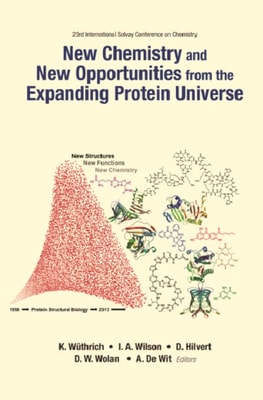
A select group of 40 eminent scientists from all parts of the world met to consider the current state of chemical and biological knowledge on the ever-expanding protein universe, and to discuss emerging opportunities for the foreseeable future.
This book will provide current understandings about two ubiquitously expressed metabotropic GPCRs, G-coupled purinoreceptor type 2 (P2Y) and Takeda G-protein-coupled bile acid receptor 5 (TGR5).
Converting biomass to biofuels involves hydrolyzing cellulose to sugars using cost-intensive commercial enzymes - an expensive step that makes large-scale production economically non-viable.
This book narrates the uniquely intertwined life and scientific career of Nobel laureate Osamu Shimomura, with particular attention to his discovery of aequorin and Green Fluorescent Protein (GFP).
This book provides an outline of epigenetics as a whole, while also specifically examining a range of epigenetic players, including histone acetyl transferases (HATs) and histone deacetylases (HDACs).
This book presents the state of the skill of understanding brassinosteroids (BRs) signaling plus crosstalk with phytohormone and their association in plant adaptation to abiotic stresses comprising physiological, biochemical, and molecular developments.
This book highlights the multifaceted roles of Reactive Oxygen Species (ROS) in modulating normal cellular and molecular mechanisms during the development of different types of heart disease.
This book discusses in detail the structural, evolutionary and functional role of actin and its regulatory proteins in gliding motility in apicomplexan organisms, a unique phenomenon found in actin-myosin cytoskeletal elements.
This book will serve as the preeminent text book on the topic of 'base excision repair', a key DNA repair pathway that protects cells from most spontaneous forms of DNA damage, including oxidative lesions that arise both in the nuclear and mitochondrial genomes.
Plants growing in the natural environment battle with a variety of biotic (pathogens infection) and abiotic (salinity, drought, heat and cold stresses etc.
This book, now in an extensively revised second edition, describes the crucial role of zinc signaling in biological processes on a molecular and physiological basis.
This book is the outcome of a Bioenergetics workshop held at Nanyang Technological University (NTU), Singapore in April 2018 to honour Professor Bertil Andersson for his outstanding contributions to scientific research and administration, particularly his very successful 11 years a NTU as Provost (2007-2011) and President (2011-2018).
The ever-rising increase in the consumption of medicinal herbs and its products and its exposure in the human population have generated concerns about the potential neurotoxicity of several new and existing botanicals.
This book offers a comprehensive guide to the identification, detection, characterization, classification and management of plant pathogens and other beneficial microbes in agriculture.
This book demonstrates the potential of urine as a biomarker resource for early disease detection, covering the related theory, strategies, tools and findings.
Our country's cultural legacy is one of the world's most diverse, drawing millions of visitors every year to our convents and monuments, and to our museums, libraries, concert halls and festivals.
This book presents the latest developments in bioinformatics, highlighting the importance of bioinformatics in genomics, transcriptomics, metabolism and cheminformatics analysis, as well as in drug discovery and development.
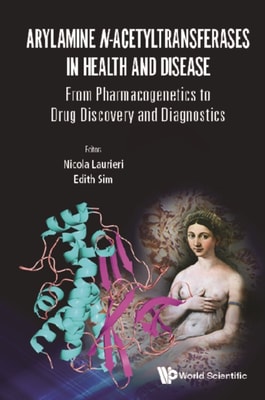
This book is a fascinating overview of one of the first pharmacogenetic traits to be identified as responsible for genetic variation in response to drugs - the understanding of the arylamine N-acetyltransferases (NATs) is linked to many important therapeutic areas, particularly tuberculosis and also cancer.
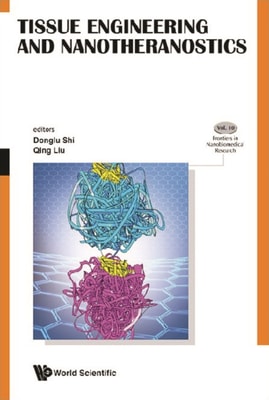
This book provides a comprehensive overview of current achievements in biomedical applications of nanotechnology, including stem cell based regenerative medicine, medical imaging, cell targeting, drug delivery, and photothermal/photodynamic cancer therapy.
This book illustrates the significance of various optical spectroscopy and microscopy techniques, including absorption spectroscopy, fluorescence spectroscopy, infrared spectroscopy, and Raman spectroscopy for deciphering the nature of biological molecules.