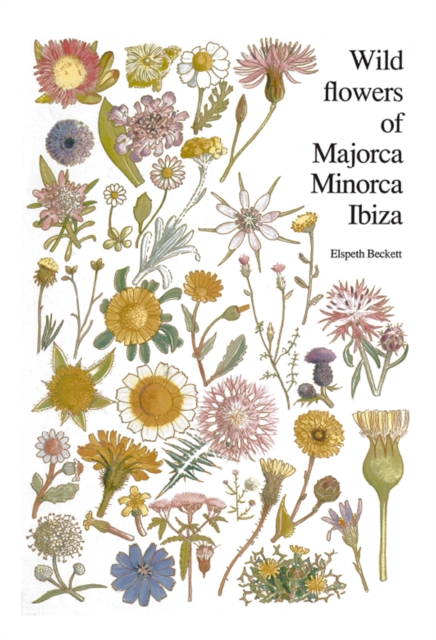
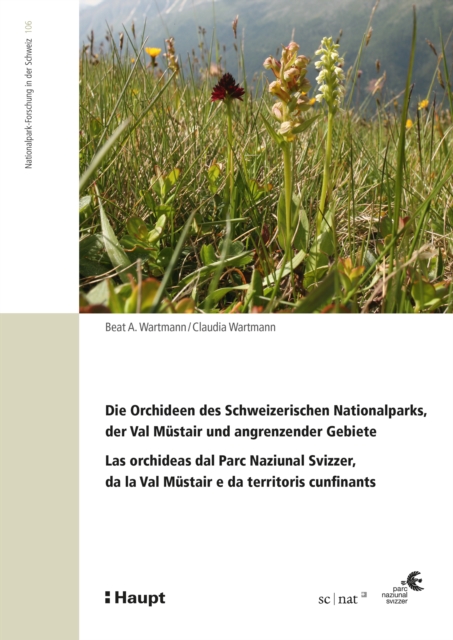
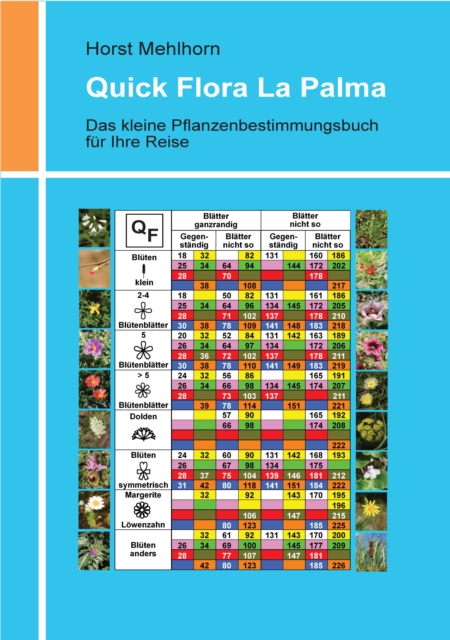
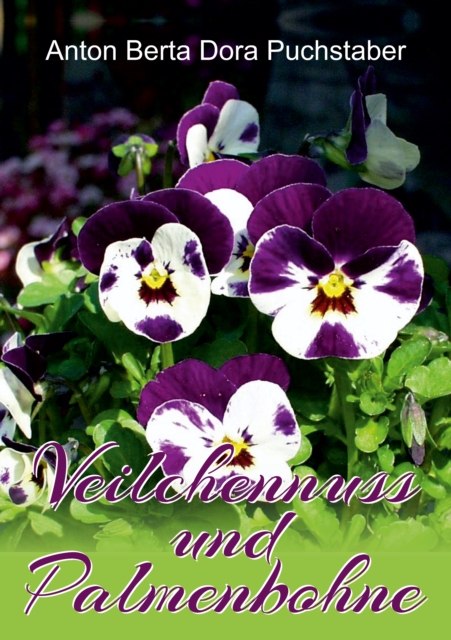
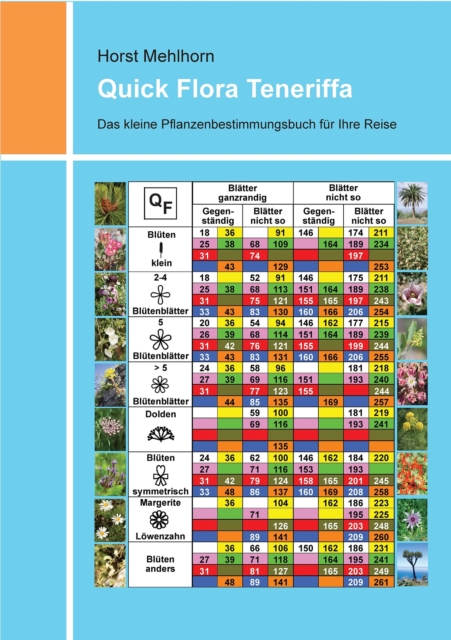
Visitors to these islands in search of sun and sea are often surprised by theglorious wild flowers, abundant particularly in the spring and late autumn.
Gene expression in cells follows a prescribed pathway that conforms to the Central Dogma; where the genetic information stored in DNA is transcribed into RNA and then expressed into proteins, which influences most plant traits.
LONGLISTED FOR THE WAINWRIGHT PRIZE & SHORTLISTED FOR THE RICHARD JEFFERIES AWARD'One man's fascinating mission to save the great British orchid' Mail on Sunday'Noble work in a time of great change' New StatesmanBen Jacob is the Orchid Outlaw.
Die Zukunft liegt in unseren HändenSpringende Flussdelfine, himmelhohe Baumriesen, Hausboote auf dem Amazonas: Rund um die Stadt Manaus wartet der Dschungel.
An up-to-date review of this popular medicinal plant genus, this book will be of interest to all those concerned with the study and use of medicinal plants and provides a comprehensive and contemporary overview of the status of tea tree.
Lavandula species are mainly grown for their essential oils, which are used in perfumery, cosmetics, food processing and aromatherapy products, and for their use as ornamental plants and ingredients in numerous cottage industry products.
Gene expression in cells follows a prescribed pathway that conforms to the Central Dogma; where the genetic information stored in DNA is transcribed into RNA and then expressed into proteins, which influences most plant traits.
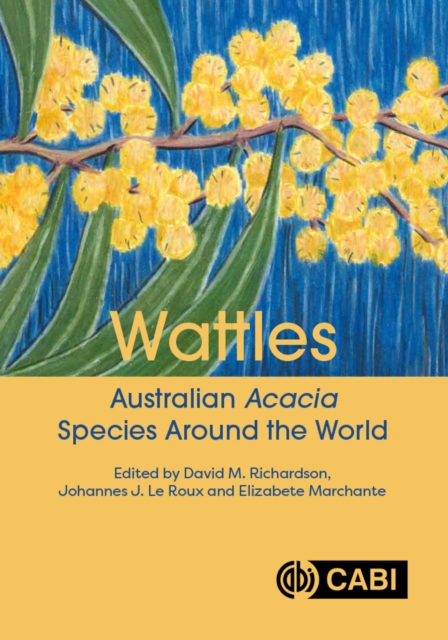
The book provides a comprehensive overview of current knowledge about "e;wattles"e;, a large clade of over 1000 species of trees and shrubs in the genus Acacia, most of which are native to Australia.
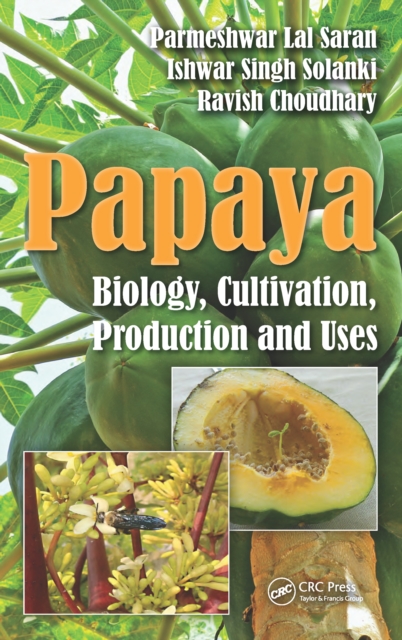
With coverage that ranges from basic information to advanced research, Papaya: Biology, Cultivation, Production and Uses pulls together the vast literature scattered over various sources into one practical resource.
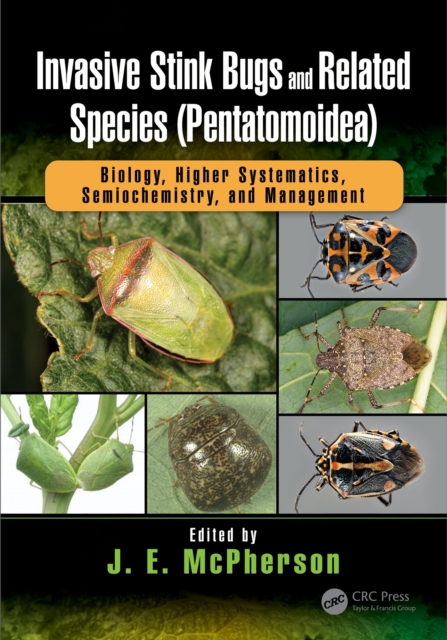
Key features:Presents a brief history of past classifications, a summary of present classification, and speculation on how the classification may evolve in the futureIncludes keys for the identification of families and subfamilies of the Pentatomoidea and for the tribes in the PentatomidaeExplains transmission of plant pathogens and concepts of pathology and heteropteran feeding for the non-specialist Provides an extensive literature review of transmission by stink bugs of viral, bacterial, fungal, and protozoan organisms that cause diseases of plantsDiscusses the diversity of microbial symbionts in the Pentatomidae and related species, showing how microorganisms underpin the evolution of this insect groupReviews semiochemicals (pheromones, kairomones, allomones) of the Pentatomoidea and their vital role in the life histories of pest and beneficial species and their exploitation by natural enemies of true bugs Covers past, current, and future control options for insects, with a focus on stink bugs and related heteropteransThe Superfamily Pentatomoidea (stink bugs and their relatives) is comprised of 18 families with over 8,000 species, the largest of which is the family Pentatomidae (about 5,000 species).
Overviews of biochemical, genetic, and molecular perspectives of plant-insect interactions with added emphasis on bioinformatic, genomic, and transcriptome analysis are comprehensively treated in this book.
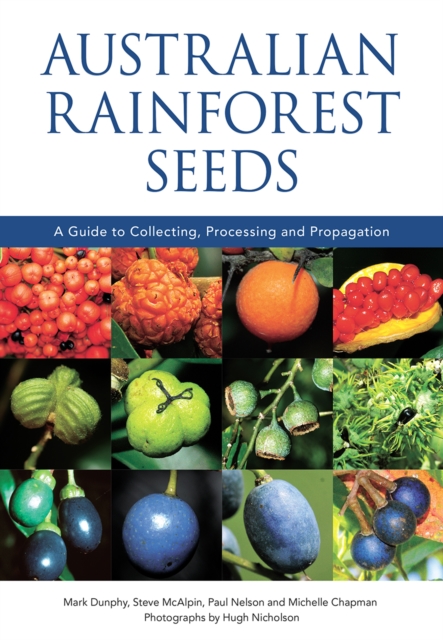
Rare, unique and irreplaceable - precious native rainforests occupy a precariously small part of Australia while retaining a remarkable level of both biological and chemical diversity unrivalled by any other ecosystem.
The Illustrated Plant Glossary is a comprehensive glossary of over 4000 terms related to plant sciences, featuring many superb colour illustrations to aid understanding.
The Flowering of Australia's Rainforests provides a comprehensive introduction to the pollination ecology, evolution and conservation of Australian rainforest plants, with particular emphasis on subtropical rainforests and their associated pollinators.
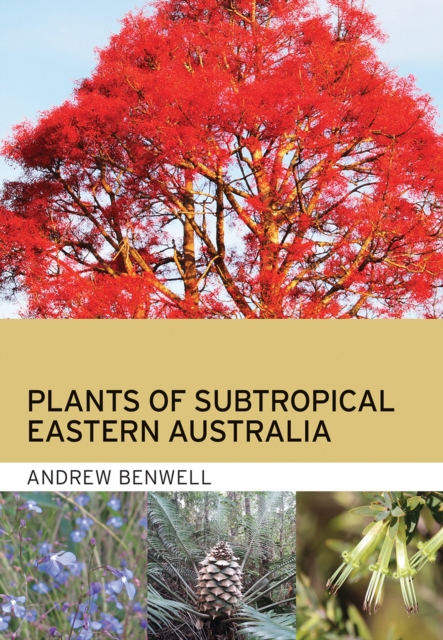
Plants of Subtropical Eastern Australia describes the rich flora of this biogeographically distinct region located on the east coast of Australia, covering the north coast of New South Wales and coastal South-East Queensland.
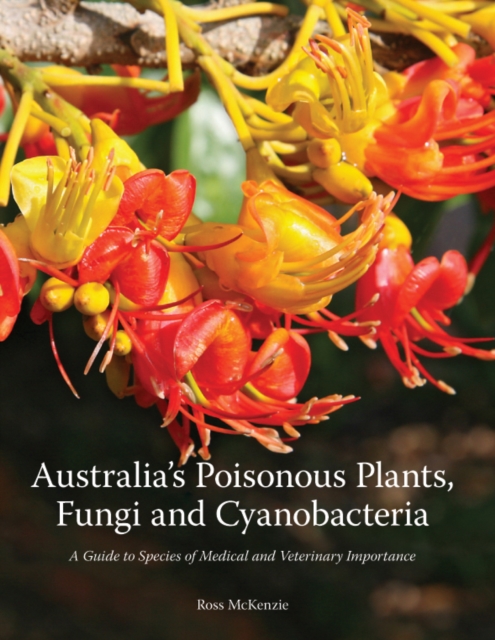
Australia's Poisonous Plants, Fungi and Cyanobacteria is the first full-colour, comprehensive guide to the major natural threats to health in Australia affecting domestic and native animals and humans.
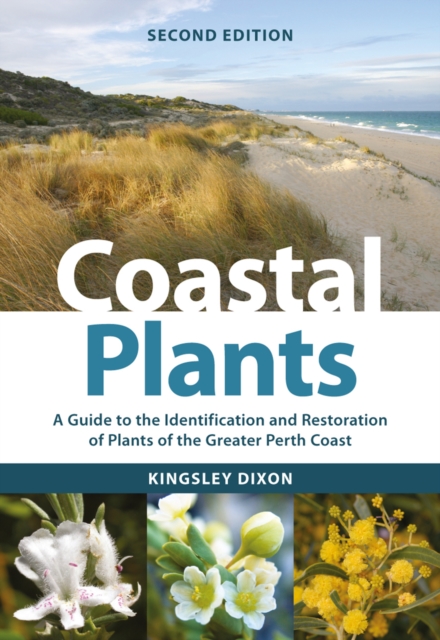
The greater Perth coast is a biodiverse and ecologically vulnerable region, with its unique native plant species threatened by clearing, invasive species, fire and climate change.
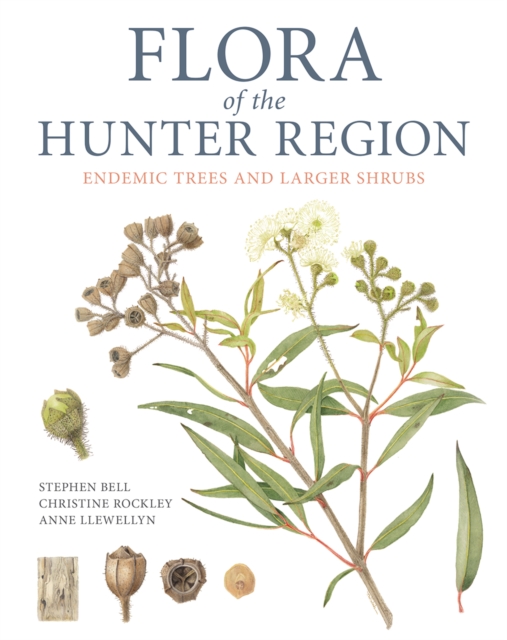
The Hunter Region, between the Hawkesbury and Manning rivers in eastern New South Wales, hosts a rich diversity of vegetation, with many species found nowhere else.