Biological control has become an attractive alternative strategy for the control of plant diseases to reduce the excessive use of agrochemicals and its health hazards.
This book is the first attempt for in-depth compilation of current knowledge on cisgenic crops and their potential prospects as a sustainable substitute for the controversial genetically modified crops.
Providing a comprehensive overview of cutting-edge research on Omics applications in plant sciences field,"e;Plant Stress Tolerance"e; focuses on different approaches towards plant stress tolerance including both biotic stresses and abiotic stresses.
Written in easy to follow language, the book presents cutting-edge agriculturally relevant plant biotechnologies and applications in a manner that is accessible to all.
This text details the plant-assisted remediation method, "e;phytoremediation"e;, which involves the interaction of plant roots and associated rhizospheric microorganisms for the remediation of soil contaminated with high levels of metals, pesticides, solvents, radionuclides, explosives, crude oil, organic compounds and various other contaminants.
This book covers many facets of plant selenium (Se) accumulation: molecular genetics, biochemistry, physiology, and ecological and evolutionary aspects.
This book focuses on quinoa, providing background information on its history, summarizing recent genetic and genomic advances, and offering directions for future research.
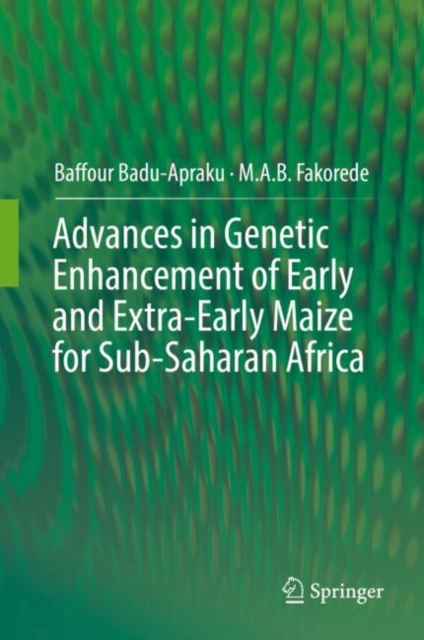
The book focuses on the principles and practices of tropical maize improvement with special emphasis on early and extra-early maize to feed the increasing population in Sub-Saharan Africa.
This book provides the latest information about hairy root culture and its several applications, with special emphasis on potential of hairy roots for the production of bioactive compounds.
This edited book presents the latest research on cucumber, its genetic resources and diversity, tissue culture and genetic transformation, mapping of economic genes and QTLs, whole genome sequencing, comparative genomics, and breeding strategies.
This book describes important anatomical adaptations in halophytes, based on a large review of relevant literature (since the 17th century) and recent research findings.
This book presents the genetics and genomics of Jatropha, which is used for biofuel, and shows how plant genomics can be used to improve plant breeding.
This proceedings volume contains a selection of invited and contributed papers of the 10th International Workshop on Sulfur Metabolism in Plants, which was held in Goslar, Germany September 1-4, 2015.
This book presents a synthesis of critical new information for the Melastomataceae, one of the ten richest families among flowering plants with over 5,800 species that has its diversity highly concentrated in tropical or subtropical areas.
This book provides an overview of the current state of knowledge of the genetics and genomics of the agriculturally important Cucurbitaceae plant family, which includes crops such as watermelon, melon, cucumber, summer and winter squashes, pumpkins, and gourds.
During the past 15 years, cellular and molecular approaches have emerged as valuable adjuncts to supplement and complement conventional breeding methods for a wide variety of crop plants.
Based on the understanding that tolerance to pest pressure increases with less crop stress, this book covers all aspects of the molecular mechanisms underlying insect resistance in field crops.
This book comprises the best potato seed production practices and includes details on potato cultivation, classification, and the main structural elements of the successive stages of potato seed production.
This book summarizes the latest information and the status quo of radish genome studies to stimulate innovations and improvements in breeding techniques and to promote further advances in the field.
This book considers all aspects of black pepper from its growth, as a flowering vine, to how the dried fruit (peppercorn) is used as a spice and traded as a commodity.
This handbook provides comprehensive reference information on the efficient production of secondary metabolites from plants by transgenesis and other genetic manipulation strategies.
The floristic studies carried out during the 19th and 20th centuries in the Retezat Massif identified 1,152 plant species and 104 subspecies within the Cormobionta sub-regnum.
This textbook explores aspects of biology and ecophysiology of weeds, weed competition and interference in crops, phytosociological survey, methods of control and weed integrated management.
This book highlights classification patterns and underlying ecological drivers structuring the vegetation of selected indigenous subtropical forests in South Africa.
This book focuses on the latest genome sequencing of the 25 wild Oryza species, public and private genomic resources, and their impact on genetic improvement research.
This book focuses on the role of hydrogen sulfide in the protection of plants against abiotic stresses and abiotic stress-induced complications by the way of converging advanced key methods of proteomics, genomics, and metabolomics.
This book includes papers presented at the 2017 Joint meeting of Fodder Crops and Amenity Grasses Section and Protein Crops Working Group of EUCARPIA-Oil and Protein Crops Section.
Clear and concise, this easy-to-use book offers an introductory course on the language of gene cloning, covering microbial, plant, and mammalian systems.