This book provides a comprehensive overview of the multiple strategies that plants have developed to cope with drought, one of the most severe environmental stresses.
Polyploidy - whole-genome duplication (WGD) - is a fundamental driver of biodiversity with significant consequences for genome structure, organization, and evolution.
Root hairs, the tip-growing extensions of root epidermal cells, are a model system for answering many plant cell and developmental biology research questions.
In the past two decades, an increasing number of ecologists have started to investigate the importance of biodiversity for ecological processes such as energy flow and nutrient cycling, often referred to as 'ecosystem functioning'.
In a presentation to the Linnean Society of London in November 1831, the Scottish botanist Robert Brown (perhaps better known for his discovery of Brownian motion) mentioned almost as an afterthought that in orchid epidermal cells, a single "e;circular areola"e; could be seen, a "e;nucleus of the cell as perhaps it might be termed.
Recent advances in the study of nitric oxide (NO) biology, biochemistry, molecular biology and physiology in plants are presented in this book, providing an overview of current understanding of the NO actions involved in adaptive responses of plant fitness to environmental constraints.
It is our utmost pleasure to present a new book on tobacco BY-2 cells, Tobacco BY-2 Cells: From Cellular Dynamics to Omics, as the 58th volume in the book series Biotechnology in Agriculture and Forestry (BAF).
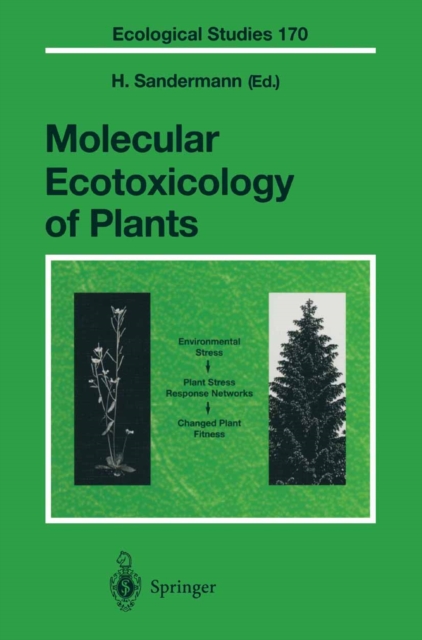
A well-structured and comprehensive summary of the strategies and several case studies for applying molecular plant genomics in the fields of plant ecotoxicology and plant ecology.
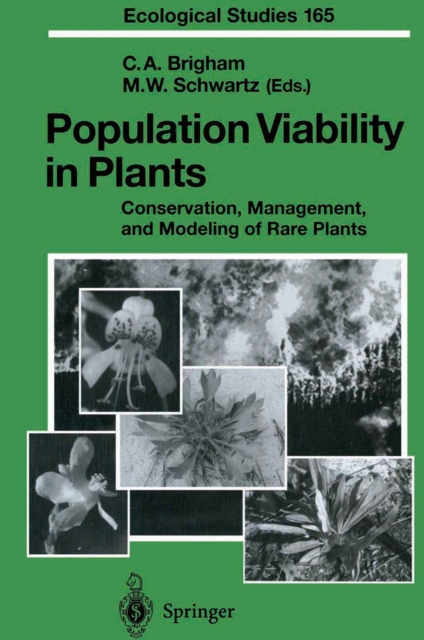
Providing a quantitative assessment of threatened plant populations, that holds for varying management scenarios, has become an essential part of conservation planning.
The annual Evolutionary Biology Meetings in Marseilles serve to gather leading evolutionary biologists and other scientists using evolutionary biology concepts, e.
Precise regulation of gene expression in both time and space is vital to plant growth, development and adaptation to biotic and abiotic stress conditions.
The rapid population growth and the increase in the per capita income, especially in the group of emerging countries referred to as BRIC countries (Brazil, Russia, India, China and South Africa) has created huge pressure for the expansion of the agricultural growing area and the crop yields to meet the rising demand.
Heavy metal accumulation in soil and water from natural sources or anthropogenic activities have produced severe environmental contamination in some parts of the world due to the persistence of metals in the environment by their accumulation throughout the food chain.
Plants are composed of 17 essential and at least 5 beneficial elements, and these must be taken up as metal or nutrient ions to allow for growth and cell division.
Development of transgenic crop plants, their utilization for improved agriculture, health, ecology and environment and their socio-political impacts are currently important fields in education, research and industries and also of interest to policy makers, social activists and regulatory and funding agencies.
Since 1997, scientists of different disciplines sharing a deep interest in concepts and knowledge related to evolutionary biology have held the annual Evolutionary Biology Meetings in Marseille in order to discuss their research and promote collaboration.