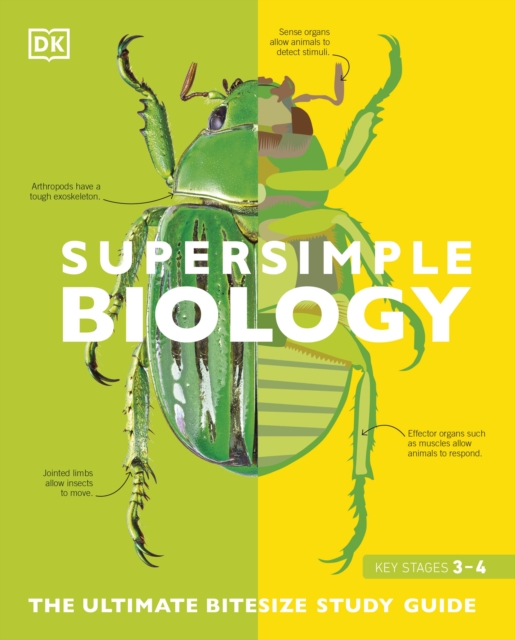
Inspire and engage your students with this Lower Secondary Science course from Collins offering comprehensive coverage of the new curriculum framework including suggested practical investigations and Thinking and Working Scientifically skills.
Inspire and engage your students with this Lower Secondary Science course from Collins offering comprehensive coverage of the new curriculum framework including suggested practical investigations and Thinking and Working Scientifically skills.
Shortlisted for the Andre Simon Food & Drink Book AwardAn intoxicating interconnected history of booze and medicine, from one of the world's foremost cocktail writers.
Take a trip to outer space with this weird and wonderful guide to our universe, the perfect gift for both young and old Vargic's beautifully innovative designs will help to explain all of the bizarre and fascinating aspects of the cosmos; from the history of the universe to what makes up our solar system and even how human life fits into the wider picture.
A groundbreaking approach to scale and scaling in ecological theory and practiceScale is one of the most important concepts in ecology, yet researchers often find it difficult to find ecological systems that lend themselves to its study.
The language of botany from plant structure to genetic modification defined and explained for students of plant sciences and botanical enthusiastsThe dictionary,with over 4,000 entries,covers the many subject areas that make up pure and applied botany.
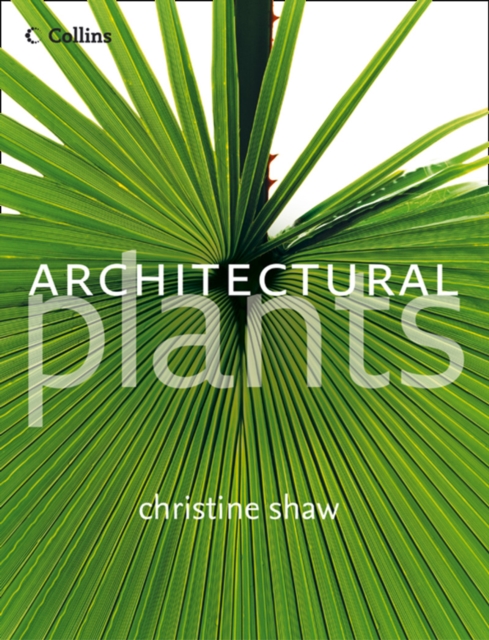
A definitive guide to the spectacular world of architectural plants, packed with practical advice on how to liven up your garden using the striking shapes and wonderful exoticism of this distinct new area of planting.
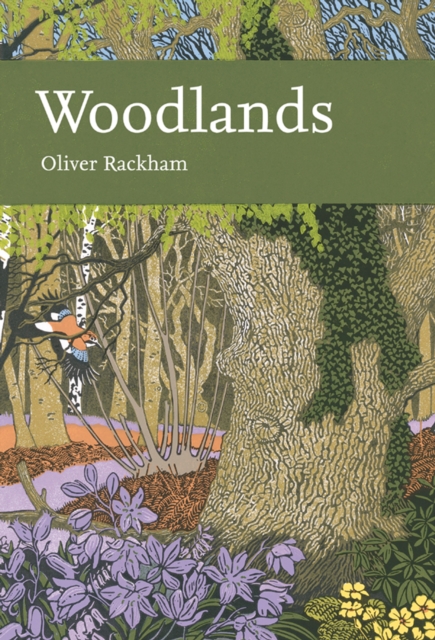
The 100th volume of the prestigious New Naturalist series, written by one of Britain's best-known naturalists, explores the significance and history of woodlands on the British landscape'Trees are wildlife just as deer or primroses are wildlife.
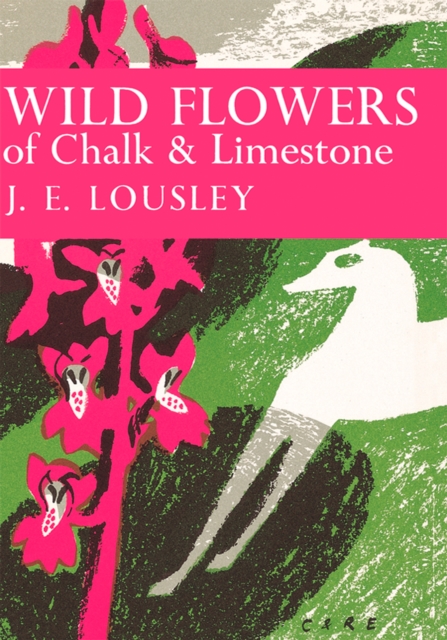
Wild Flowers of Chalk and Limestone will urge many to follow in the author's footsteps in search of the rich flora which make our chalk downs and limestone cliffs so fascinating to explore.
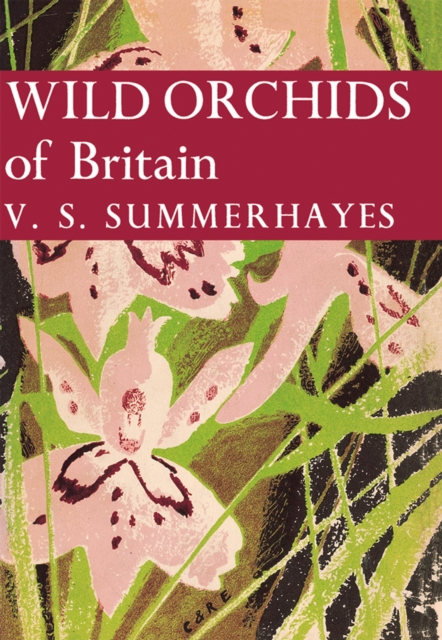
A treasure for all lovers of wild plants - Wild Orchids of Britain provides a detailed account of all our orchid species, varieties and hybrids, and has a useful key to identification.
Britain's neglect of fungi as table delicacies has perhaps been responsible for our surprising ignorance of the natural history of such fascinating plants.
The use of natural and seeded grass pastures for the feeding of livestock and other unfamiliar uses for the ubiquitous grass family are described in this succinct and beautifully illustrated work.
Ever wondered why primroses have three sorts of flowers; or about pesticide resistance in rats and mice, mosquitoes and green-fly; antibiotic resistance in disease organisms - all are examples of genetical adjustment, explained in this book.
Ferns gives the reader an introduction to the reasons for the variety of ferns in the British Isles, as well as the history of their development within this landscape and their use by man.
Plant Disease covers all aspects of diseases of plants growing in the wild or likely to be encountered on cultivated plants in farm, forest and garden.
This is a brand new, fully updated edition of the natural history classic first published in the New Naturalist series in 1973 as The Pollination of Flowers.
Essential for all gardeners, horticulturists, teachers, students and naturalists, this is a practical guide to dealing with the pests, diseases and disorders that commonly affect fruit, vegetables, trees and ornamental garden plants.
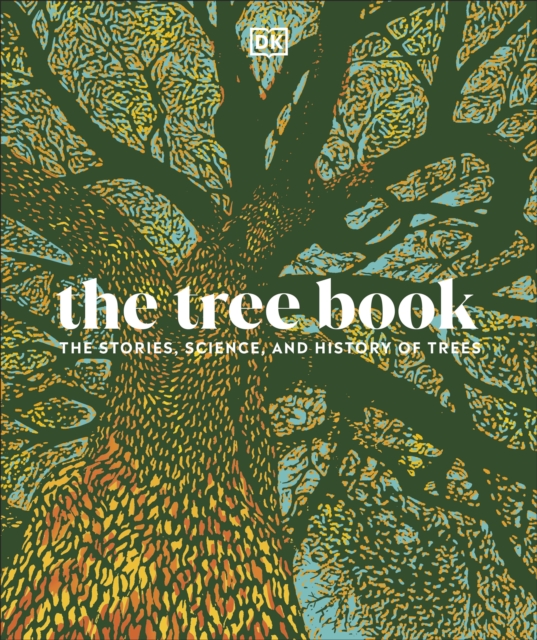
Bring trees to life like you've never seen before as The Tree Book invites you on an enchanting and illustrated journey into the astonishingly diverse growth of woodland wildlife in the world around us.
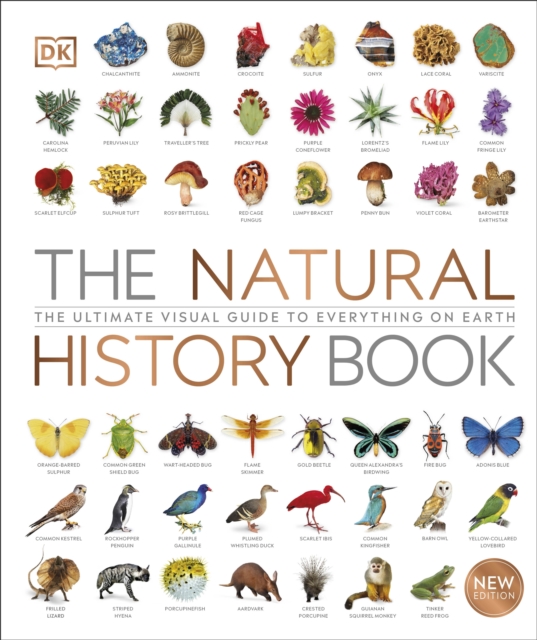
A monumental and beautiful guide to Earth's wildlife and natural history - its rocks, minerals, animals, plants, fungi, and microorganisms - this landmark of reference publishing has been extended and updated.
THE INTERNATIONAL BESTSELLER'A scientific memoir as gripping as any HBO drama series' Kate Kellaway, ObserverA dazzling scientific detective story from the ecologist who first discovered the hidden language of trees No one has done more to transform our understanding of trees than the world-renowned scientist Suzanne Simard.
'Kimmerer blends, with deep attentiveness and musicality, science and personal insights to tell the overlooked story of the planet's oldest plants' Guardian'Bewitching .
THE INSPIRATION FOR THE MAJOR NEW NETFLIX SERIES, HOW TO CHANGE YOUR MIND'It's a trip - engrossing, eye-opening, mind altering' New Statesman 'Fascinating.