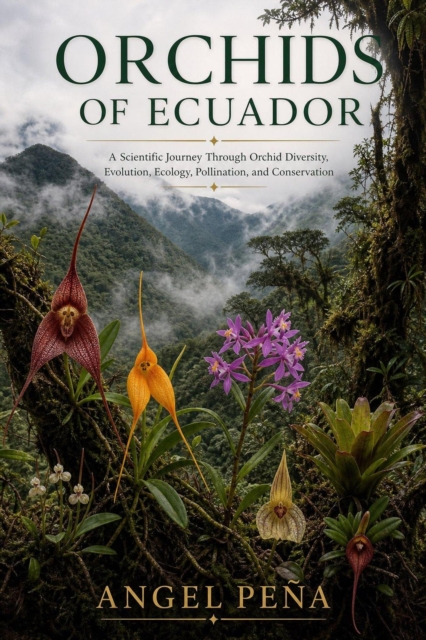
Orchids of Ecuador: A Scientific Journey Through Orchid Diversity, Evolution, Ecology, Pollination, and Conservation offers a comprehensive scientific exploration of one of the world's most remarkable centers of orchid diversity.
This manual provides all relevant protocols for basic and applied plant cell and molecular technologies, such as histology, electron microscopy, cytology, virus diagnosis, gene transfer and PCR.
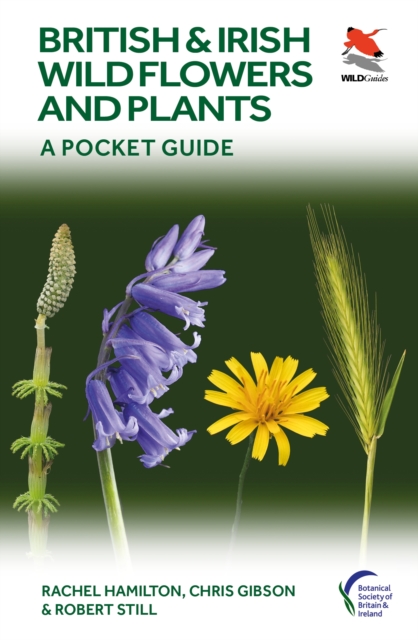
A highly illustrated and portable identification guide to the most common wild flowers and other plantsThis innovative photographic guide covers the most common wild flowers and other plants found in Britain and Ireland, as defined by the very latest distribution maps.
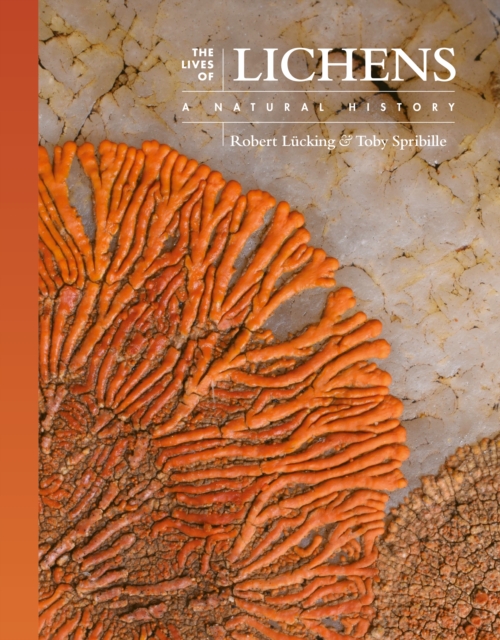
A richly illustrated guide to lichens and their biologyExisting at the margins of life, lichens are the result of symbiotic relationships between fungi and photosynthesizing partners in the form of algae or cyanobacteria.
Arabidopsis has long been acknowledged as the 'Botanical Drosophila' with its small genome, low levels of repetitive DNA, small size and fast generation time it is an ideal molecular genetic tool for the analysis of development in higher plants.
One of the most challenging tasks facing the modern biological research laboratory is to make sense of the enormous amount of data being generated by various genome projects currently underway, and especially the human genome project.
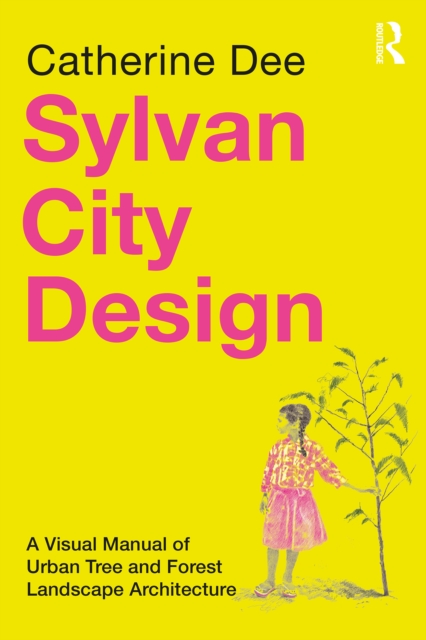
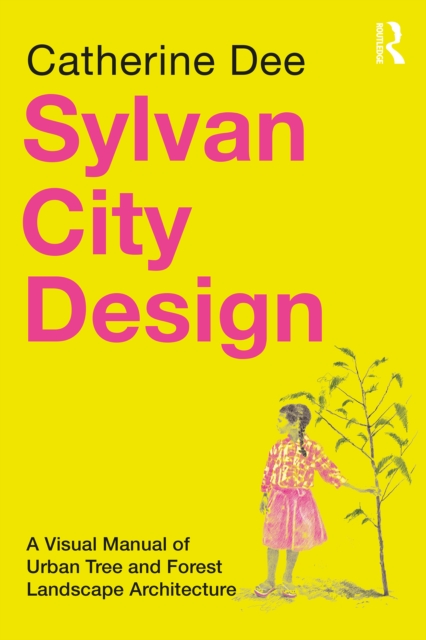
Richly illustrated with the author's exquisite drawings, this visual manual provides a concise and practical introduction to contemporary urban landscape architecture with trees and forest: Sylvan City Design.
Richly illustrated with the author's exquisite drawings, this visual manual provides a concise and practical introduction to contemporary urban landscape architecture with trees and forest: Sylvan City Design.
Medicinal Plant Biotechnology for Ameliorated Secondary Metabolite Production delivers a cutting-edge perspective on how biotechnology is reshaping the way medicinal plants are studied and utilized.
Gaining some momentum in the early 18th century, accelerating in the 19th century, and culminating in the second half of the 20th century, a sharp increase in the number of non-native animal and plant species introduced to foreign ecosystems, terrestrial and aquatic alike, occurred.
Gaining some momentum in the early 18th century, accelerating in the 19th century, and culminating in the second half of the 20th century, a sharp increase in the number of non-native animal and plant species introduced to foreign ecosystems, terrestrial and aquatic alike, occurred.
Harmful algal blooms (HABs) and their potent phycotoxins have emerged as one of the most complex and costly biological challenges of our time—reshaping ecosystems, threatening human and animal health, and influencing economies across the globe.
Harmful algal blooms (HABs) and their potent phycotoxins have emerged as one of the most complex and costly biological challenges of our time—reshaping ecosystems, threatening human and animal health, and influencing economies across the globe.
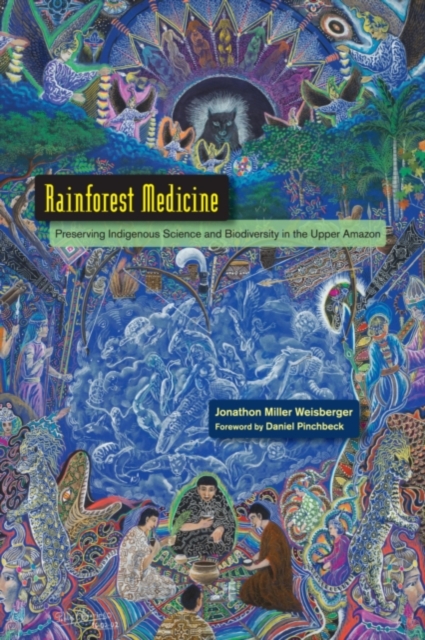
Chronicling the practices, legends, and wisdom of the vanishing traditions of the upper Amazon, this book reveals the area''s indigenous peoples'' approach to living in harmony with the natural world.
Intelligent Gene Editing in Plants analyzes how AI-enabled design and CRISPR-based genome engineering are reshaping plant genetics, with a clear functional focus on delivering durable gains in crop productivity, stress tolerance, and nutritional quality.
With one volume each year, this series keeps scientists and advanced students informed of the latest developments and results in all areas of the plant sciences.
With one volume each year, this series keeps scientists and advanced students informed of the latest developments and results in all areas of the plant sciences.
This book, 'Phytochemicals of Pteridophytes: Occurrence, Structures, and Biological Activity', explores the chemical constituents of pteridophytes (lycophytes and ferns), emphasizing their occurrence, structures, and biological functions.
This book, 'Phytochemicals of Pteridophytes: Occurrence, Structures, and Biological Activity', explores the chemical constituents of pteridophytes (lycophytes and ferns), emphasizing their occurrence, structures, and biological functions.
Plant essential oil-based nanoemulsions and microemulsions represent a cutting-edge approach to harnessing the therapeutic potential of botanical extracts which have droplet sizes ranging from 10-100 nm.
Plant essential oil-based nanoemulsions and microemulsions represent a cutting-edge approach to harnessing the therapeutic potential of botanical extracts which have droplet sizes ranging from 10-100 nm.
This book is the first of the two volumes and it focuses on exploring the meta-omics integrative techniques to enhance crop productivity, resilience and quality.
This book is the first of the two volumes and it focuses on exploring the meta-omics integrative techniques to enhance crop productivity, resilience and quality.