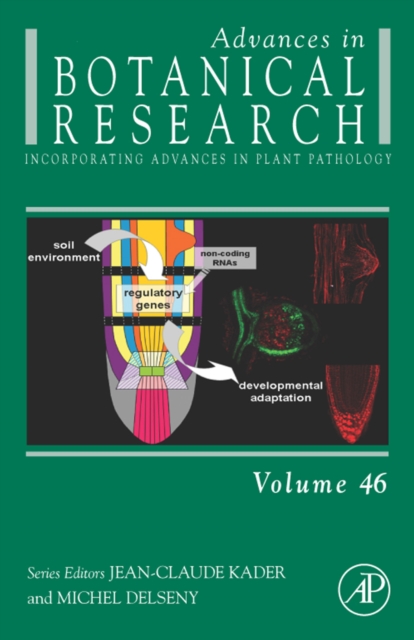
Edited by Jean-Claude Kader and supported by an international Editorial Board, Advances in Botanical Research publishes in-depth and up-to-date reviews on a wide range of topics in plant sciences.
Advances in Botanical Research is a multi-volume publication that brings together reviews by recognized experts on subjects of importance to those involved in botanical research.
Advances in Botanical Research is a multi-volume publication that brings together reviews by recognized experts on subjects of importance to those involved in botanical research.
Advances in Botanical Research is a multi-volume publication that brings together reviews by recognized experts on subjects of importance to those involved in botanical research.
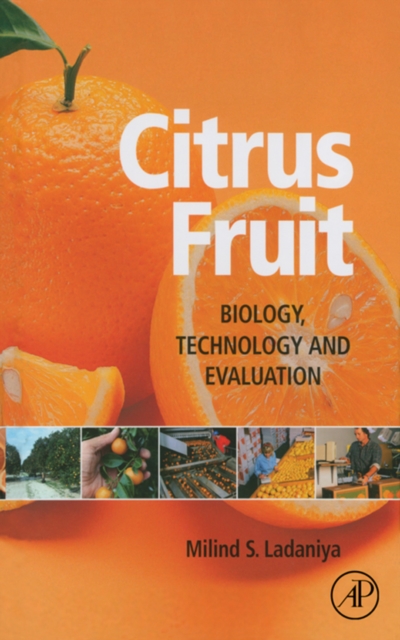
Post harvest biology and technology of citrus fruits is gaining importance as the therapeutic value of citrus fruits is realized and supported by the increase in health awareness among the general public.
Plant Biotechnology And Plant Genetic Resources, which boasts a truly international list of contributors with a variety of expertise, thoroughly explores all the major contemporary concerns.
In Virus-Insect-Plant Interactions, the world's leading scientists discuss the latest breakthroughs in understanding the biological and ecological factors that define these complex transmission systems and how this knowledge might be used to our advantage in producing innovative, user and environmentally friendly approaches to controlling the spread of plant pathogens by insects.
Fluid and flow problems in porous media have attracted the attention of industrialists, engineers and scientists from varying disciplines, such as chemical, environmental, and mechanical engineering, geothermal physics and food science.
This revision maintains the position of Forest Ecosystems as the one source for the latest information on the advanced methods that have enhanced our understating of forest ecosystems.
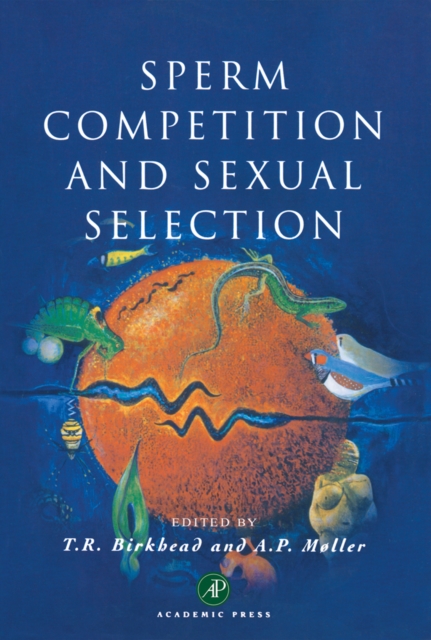
Sperm Competition and Sexual Selection presents the intricate ways in which sperm compete to fertilize eggs and how this has prompted reinterpretations of breeding behavior.
Humans face the challenge of producing enough food to meet the demands imposed by economic, biological and agricultural factors: rising population; rising income; and an expectation of higher quality food and a more diverse diet; decreasing amount of land available for food production; lowering environmental impact of agricultural practices and preserving biodiversity.
Offering detailed protocols for those needing to construct a variety of maps and isolate genes, this unique book is intended to popularize the new techniques of genome analysis derived from the Human Genome Project.
The turn of the millennium from the twentieth to the twenty-first century provides an occasion to review our understanding of a biological process, biological nitrogen fixation, that is of prime importance for the continued survival of mankind.
This book and its companion, Volume II, concentrate on new procedures--especially those based on the new molecular methodology--developed within the past decade.
Due to many issues related to long-term carbon dynamics, an improved understanding of the biology of C4 photosynthesis is required by more than the traditional audience of crop scientists, plant physiologists, and plant ecologists.
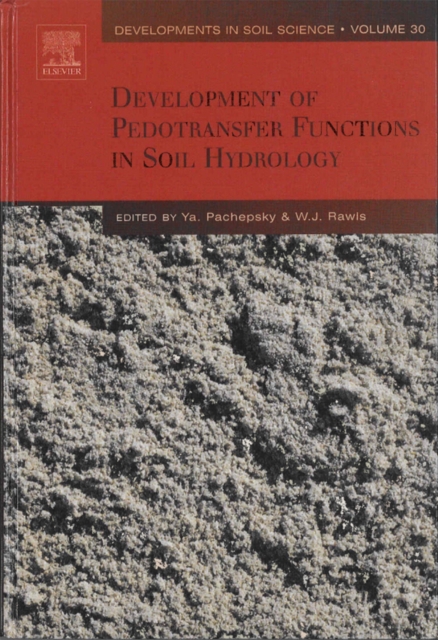
Environmental and agricultural modeling and assessment have a multitude of uses for soil parameters governing retention and transport of water and chemicals in soils.
This volume of Applied Mycology and Biotechnology completes the set of two volumes dedicated to the coverage of recent developments on the theme "e;Agriculture and Food Production"e;.
This volume focuses on issues of plant pathology and sustainability, such as short term economic plans versus long term economic visions in farming and forestry.
Together with other volumes in this series, Volume 58 presents thoughtful and forward-looking articles on developmental biology and developmental medicine.
This third edition of Applied Process Design for Chemical and Petrochemical Plants, Volume 3, is completely revised and updated throughout to make this standard reference more valuable than ever.
This book provides current information on synthesis of plant hormones, how their concentrations are regulated, and how they modulate various plant processes.
From this modern and profusely illustrated book, the reader will learn not just the basics, which are amply reviewed, but also how plant anatomy is integrated with a wide variety of other disciplines, such as plant breeding, forensic analysis, medicine, food science, wood and fiber products, and the arts.
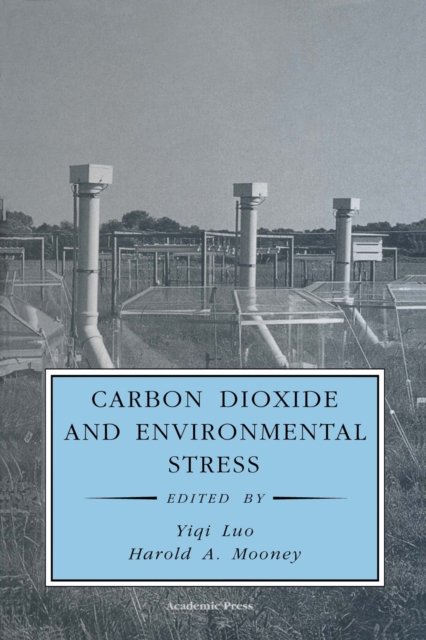
This book focuses on the interactive effects of environmental stresses with plant and ecosystem functions, especially with respect to changes in the abundance of carbon dioxide.
Below the soil surface, the rhizosphere is the dynamic interface among plant roots, soil microbes and fauna, and the soil itself, where biological as well as physico-chemical properties differ radically from those of bulk soil.