For centuries biologists have been extremely interested in the structure of desert plants as examples of natural selection to harsh environmental conditions.
The exigencies of life in the desert environment have resulted in the se- lection of a diversity of adaptations, both morphological and physiologi- cal, in the flora and fauna.
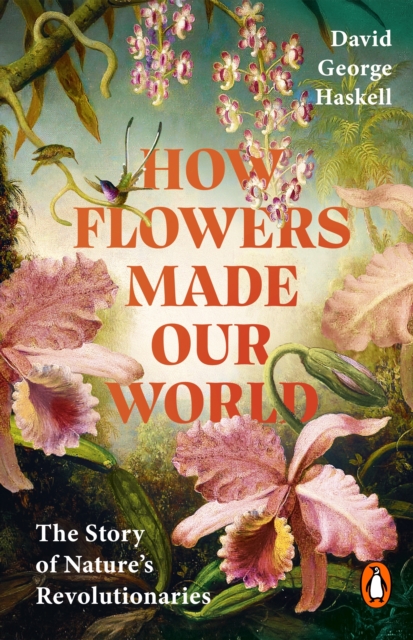
ONE OF NEW SCIENTIST'S BEST BOOKS OF THE YEAR SO FAR In How Flowers Made Our World, biologist David George Haskell redefines our understanding of flowers, casting them as powerful revolutionaries at the heart of Earth's story.
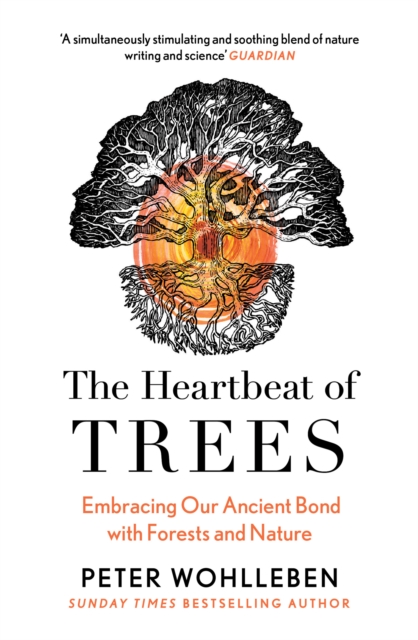
FROM THE AUTHOR OF THE SUNDAY TIMES BESTSELLER, THE HIDDEN LIFE OF TREES'A simultaneously stimulating and soothing blend of nature writing and science .
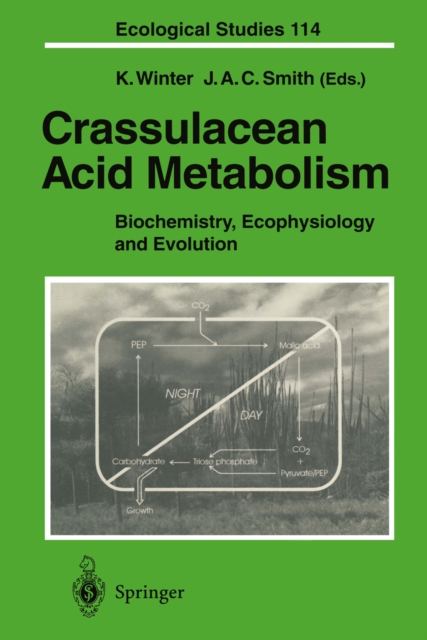
In a world of increasing atmospheric CO2, there is intensified interest in the ecophysiology of photosynthesis and increasing attention is being given to carbon exchange and storage in natural ecosystems.
Oceanic islands represent a set of systems in which biological diversity varies as a consequence of remoteness or size, not environment; they are also generally simpler than continental ecosystems.
Clusia is the only dicotyledonous tree genus with crassulacean acid metabolism (CAM), and in some cases all variants of CAM can be expressed in one given species.
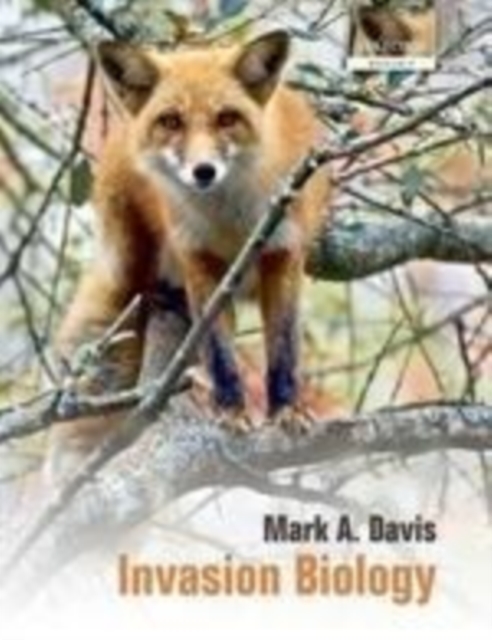
With the exception of climate change, biological invasions have probably received more attention during the past ten years than any other ecological topic.
This book analyzes the biosystematics and experimental biology of five perennial genera pivotal in understanding the genetic diversity and evolutionary pathways of Triticeae, a tribe that includes essential crops like wheat, barley, and rye.
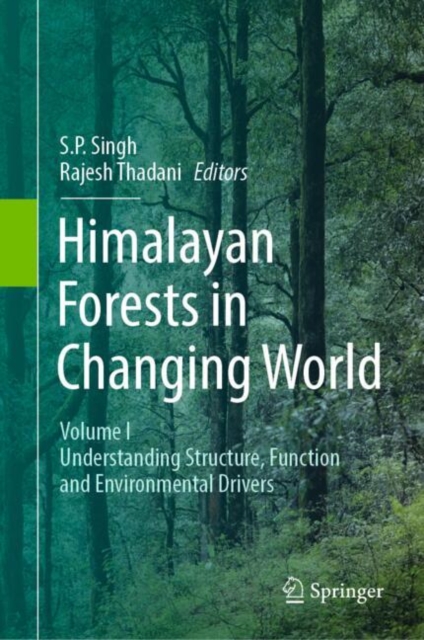
This second volume on Himalayan forests provides critical insights into Himalayan forests' response to the dual pressures of anthropogenic and natural stressors during the unprecedented environmental change.
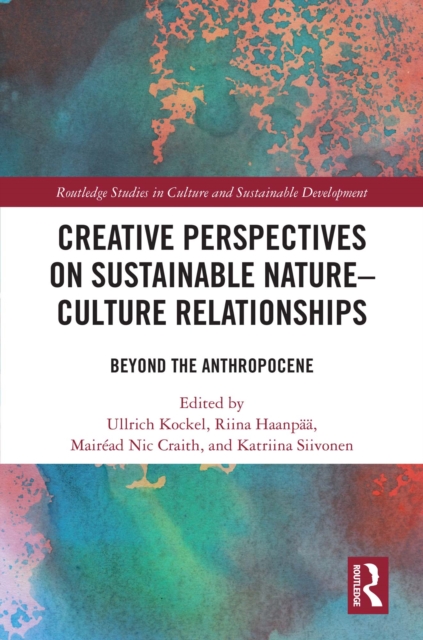
Developing a new understanding of the cultural relationships of humans with nature through heritage and tradition, this book examines ways of transforming these relationships sustainably and assesses the impact on policy related actions for ecologically embedded futures, drawing particularly on case studies from the European north.
This second volume on Himalayan forests provides critical insights into Himalayan forests' response to the dual pressures of anthropogenic and natural stressors during the unprecedented environmental change.
This book analyzes the biosystematics and experimental biology of five perennial genera pivotal in understanding the genetic diversity and evolutionary pathways of Triticeae, a tribe that includes essential crops like wheat, barley, and rye.
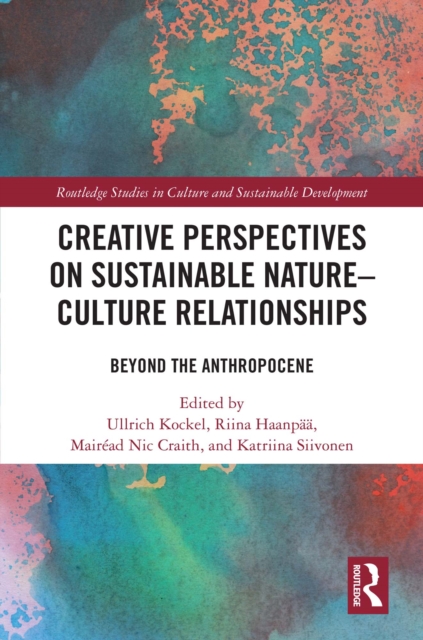
Developing a new understanding of the cultural relationships of humans with nature through heritage and tradition, this book examines ways of transforming these relationships sustainably and assesses the impact on policy related actions for ecologically embedded futures, drawing particularly on case studies from the European north.