Attempts to apply nanotechnology in agriculture began with the growing realization that conventional farming technologies would neither be able to increase productivity any further nor restore ecosystems damaged by existing technologies back to their pristine state; in particular because the long-term effects of farming with “miracle seeds” in conjunction with irrigation, fertilizers, and pesticides, have been questioned both at the scientific and policy levels and must be gradually phased out.
This books discusses Jupiter's distinguishing characteristics, its position in the solar system, its composition and atmospheric conditions, its moons and rings, and how scientists have learned about Jupiter over time.
There has been a surge in critical situations such as malnutrition, agricultural productivity, viral diseases, noncommunicable diseases, antibiotic resistance, and depletion of natural resourcest hreatening human welfare during the last decade.
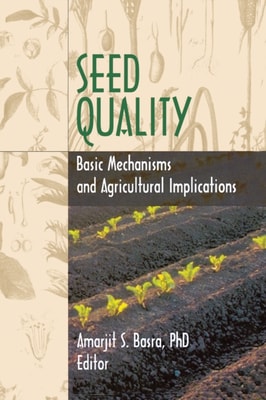
Seed Quality: Basic Mechanisms and Agricultural Implications focuses on various aspects of seed quality and integrates research at basic and applied levels, supporting high-quality seeds as the basis of higher agricultural productivity.
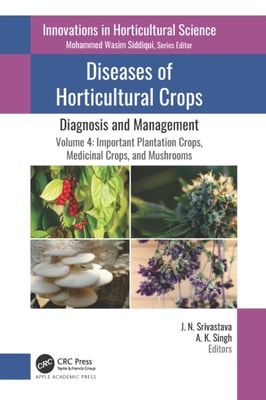
This fourth volume of this 4-volume set discusses the key diseases, typical symptoms, and management strategies of several economically important plants.
This detailed volume compiles state-of-the-art methodologies for the study of brassinosteroid hormones, contributed by recognized researchers in the field, in order to bring together different experimental and theoretical biology techniques for addressing the questions of how brassinosteroids function in Arabidopsis and other agriculturally valuable species, such as rice and sorghum.
While focusing on various interactions between trait genes/QTL and dynamic expressions of conditional QTL genes, this book also discusses aspects of molecular marker-assisted breeding, and applications of molecular markers associated with yield, quality, physiology and disease resistance in wheat.
This volume provides detailed techniques used for the study and characterization of the plant vascular system, with a central focus on the xylem tissue.