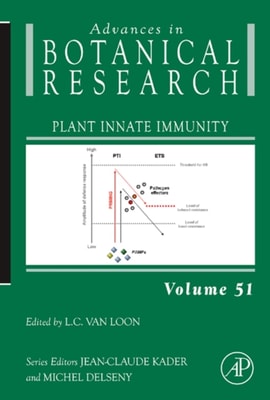
Plant innate immunity is a collective term to describe a complex of interconnected mechanisms that plants use to withstand potential pathogens and herbivores.
Build your own passive solar greenhouse for year-round food production in any climate The Year-round Solar Greenhouse is the one-stop guide to designing and building greenhouses that harness and store energy from the sun to create naturally heated, lush growing environments even in the depths of winter, covering principles of solar greenhouse design and siting, glazing material properties and selection, controlling heat loss, ventilation, and construction methods.
Using an exceptionally clear writing style, minimal scientific jargon, and vivid photos and drawings, this book provides a comprehensive view of the fundamentals of entomology.
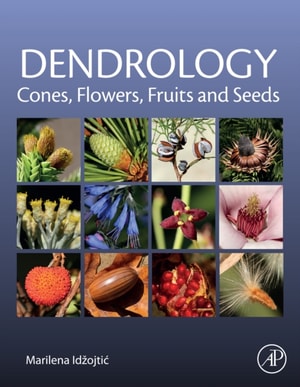
Dendrology: Cones, Flowers, Fruits and Seeds offers a comprehensive overview of the morphology of reproductive organs of woody plants of Europe in one resource.
This volume assembles protocols for chromosome engineering and genome editing in two recently developed approaches for manipulating chromosomal and genomic DNA in plants.
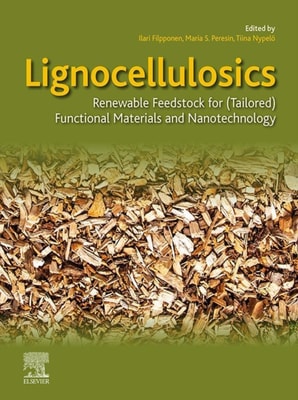
Lignocellulosics: Renewable Feedstock for (Tailored) Functional Materials and Nanotechnology gives a comprehensive overview of recent advances in using lignocellulosic substrates in materials science and nanotechnology.
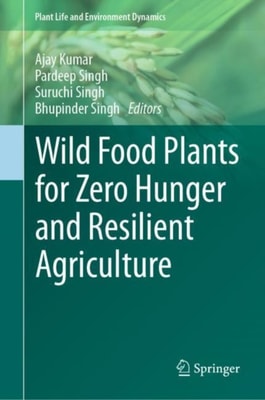
The edited volume brings out a comprehensive collection of information relevant to wild food plants, their importance for global sustainable food security, future-readiness, and resilient agriculture.
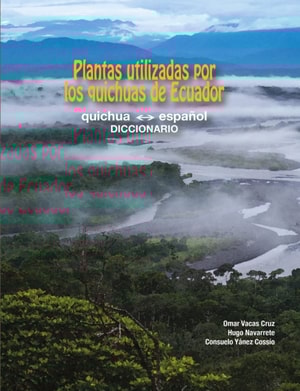
El Ecuador cuenta con 3118 especies de plantas medicinales, algunas de ellas han constituido la base para iniciar investigaciones formales con aplicabilidad en la etnofarmacología.
Herbal medicines play a critical role in the prevention and treatment of cancer disorders, which are a foremost cause of human disease and death worldwide.
From brightly coloured corals to shimmering shoals of fish, the diversity of life on a coral reef is celebrated in this visually stunning picture book with a strong ecological message about the need to protect this most precious of environments.
Medicinal plants in Ecuador add up to 3118 species, 75% being native, of these, 80 were investigated by the PUCE-KRIBB project, finally 30 species were collected in this publication for being the most promising.
La medicina tradicional en la sociedad de los kichwas del alto Napo practicada por ayumas y pajuyuk constituye un sistema coherente de nociones, conceptos, reglas, modelos y rituales tendientes a conservar la salud a través de las plantas medicinales, por esta razón se identificaron 30 especies y sus potenciales efectos terapéuticos, respetando los derechos que asisten al conocimiento y a los usos tradicionales de las plantas.
Learn the funny and fascinating story of Charles Darwin and the groundbreaking discoveries that resulted from his love of the humble worm in this hilarious, illustrated children's book.
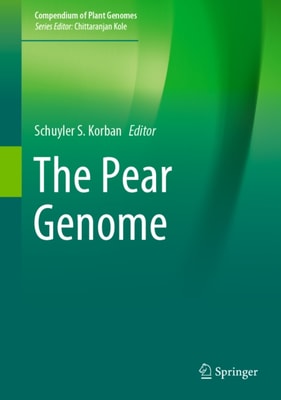
Addressing the pear genome, this book covers the current state of knowledge regarding genetic and genomic resources, breeding approaches and strategies, as well as cutting-edge content on how these tools and resources are being / soon will be utilized to pursue genetic improvement efforts that will combine fruit quality, high productivity, precocious fruit bearing, and long postharvest storage life, along with elevated levels of resistance to various major diseases and insect pests.
This two-volume work is an effort to provide a common platform to environmental engineers, microbiologists, chemical scientists, plant physiologists and molecular biologists working with a common aim of sustainable solutions to varied environmental contamination issues.