T cells play a vital role mediating adaptive immunity, a specific acquired resistance to an infectious agent produced by the introduction of an antigen.
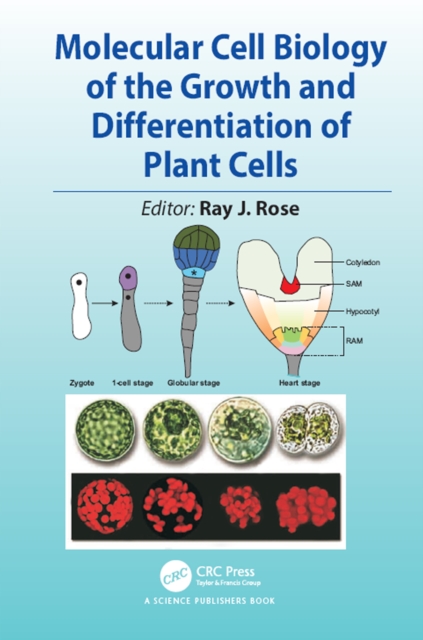
Molecular Cell Biology of the Growth and Differentiation of Plant Cells encompasses cell division, cell enlargement and differentiation; which is the cellular basis of plant growth and development.
Despite substantial evidence showing the feasibility of Atomic Force Microscopy (AFM) to identify cells with altered elastic and adhesive properties, the use of this technique as a complementary diagnostic method remains controversial.
Focussing on China's stem cell research, this book investigates how, over the last decade, Chinese scientists, ethicists and policy-makers have developed a cosmopolitan sensibility in comprehending and responding to ethical and regulatory concerns.
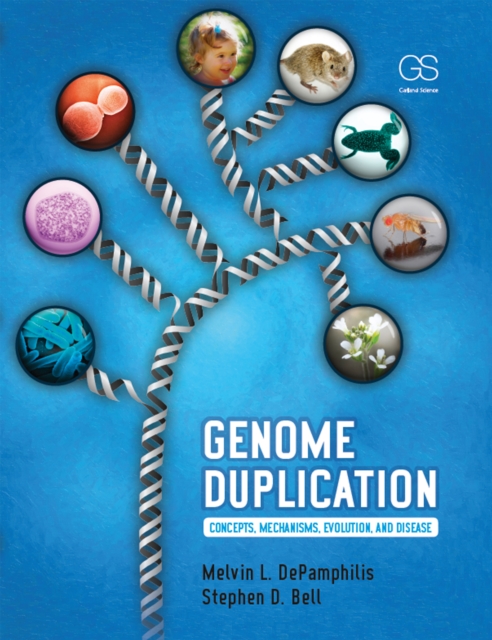
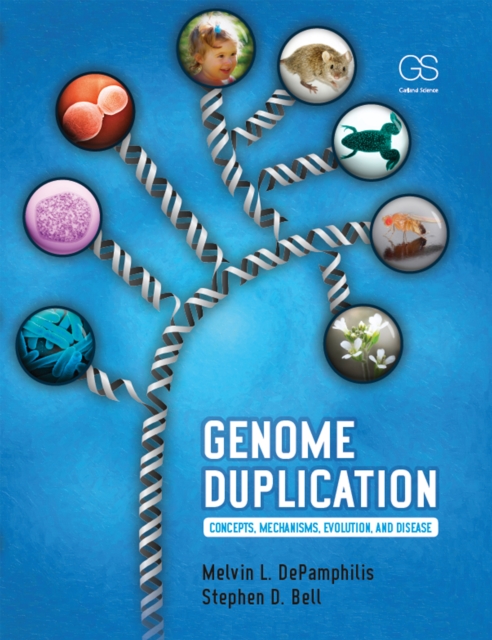
Genome Duplication provides a comprehensive and readable overview of the underlying principles that govern genome duplication in all forms of life, from the simplest cell to the most complex multicellular organism.
Genome Duplication provides a comprehensive and readable overview of the underlying principles that govern genome duplication in all forms of life, from the simplest cell to the most complex multicellular organism.
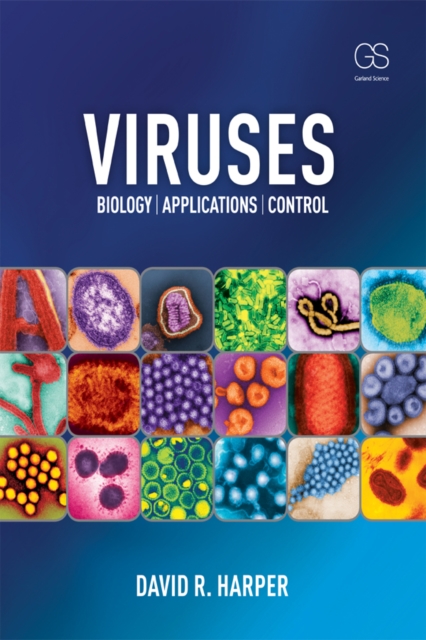
Viruses: Biology, Application, and Control is a concise advanced undergraduate and graduate textbook covering the essential aspects of virology included in biomedical science courses.
Introduction to Bioorganic Chemistry and Chemical Biology is the first textbook to blend modern tools of organic chemistry with concepts of biology, physiology, and medicine.
Introduction to Cell Mechanics and Mechanobiology is designed for a one-semester course in the mechanics of the cell offered to advanced undergraduate and graduate students in biomedical engineering, bioengineering, and mechanical engineering.
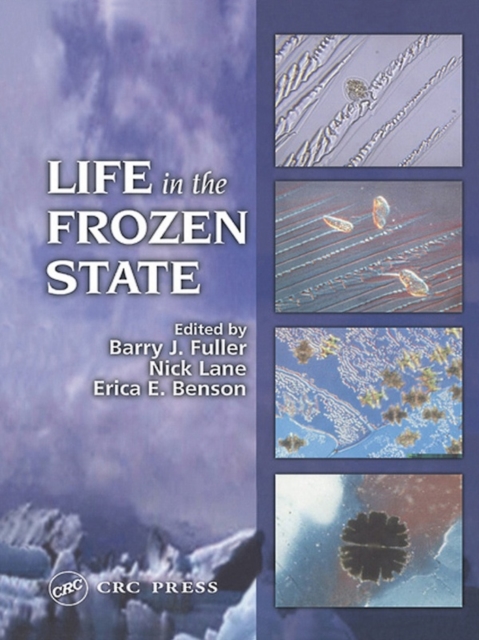
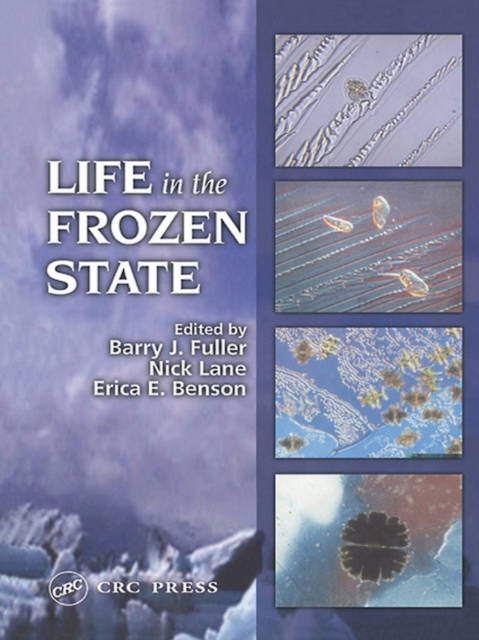
While it is barely 50 years since the first reliable reports of the recovery of living cells frozen to cryogenic temperatures, there has been tremendous growth in the use of cryobiology in medicine, agriculture, horticulture, forestry, and the conservation of endangered or economically important species.
While it is barely 50 years since the first reliable reports of the recovery of living cells frozen to cryogenic temperatures, there has been tremendous growth in the use of cryobiology in medicine, agriculture, horticulture, forestry, and the conservation of endangered or economically important species.
Knowledge of transcription has moved forward at a furious pace over recent years, and an understanding of the processes involved in gene regulation and expression has become an essential element in biochemistry, genome biology, molecular biology and molecular genetics.
Knowledge of transcription has moved forward at a furious pace over recent years, and an understanding of the processes involved in gene regulation and expression has become an essential element in biochemistry, genome biology, molecular biology and molecular genetics.
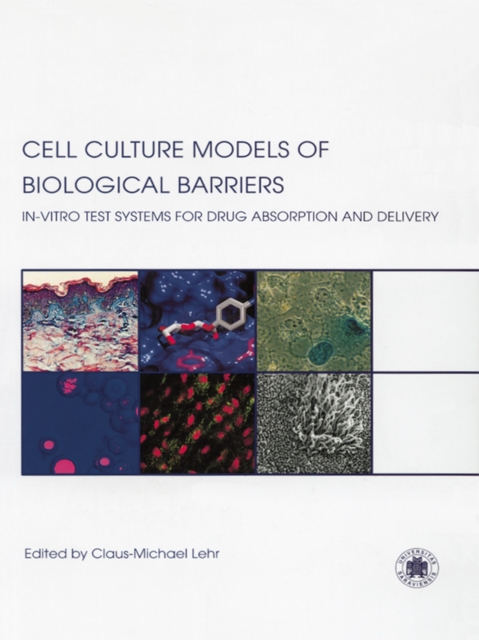
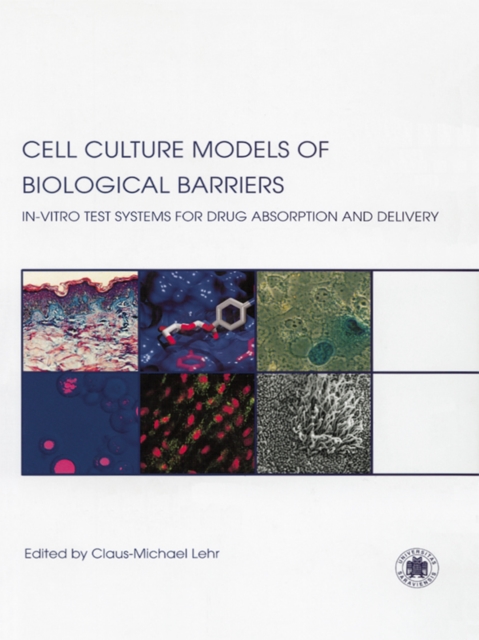
Over the past ten years several sophisticated in vitro test systems based on epithelial cell cultures have been introduced in the field of drug delivery.
Over the past ten years several sophisticated in vitro test systems based on epithelial cell cultures have been introduced in the field of drug delivery.