This book describes basic cell engineering methods, emphasizing stem cell applications, and use of the genetically modified stem cells in cell therapy and drug discovery.
An integrative view of the evolution of genetics and the natural world Even in this advanced age of genomics, the evolutionary process of unicellular and multicellular organisms is continually in debate.
An integrative view of the evolution of genetics and the natural world Even in this advanced age of genomics, the evolutionary process of unicellular and multicellular organisms is continually in debate.
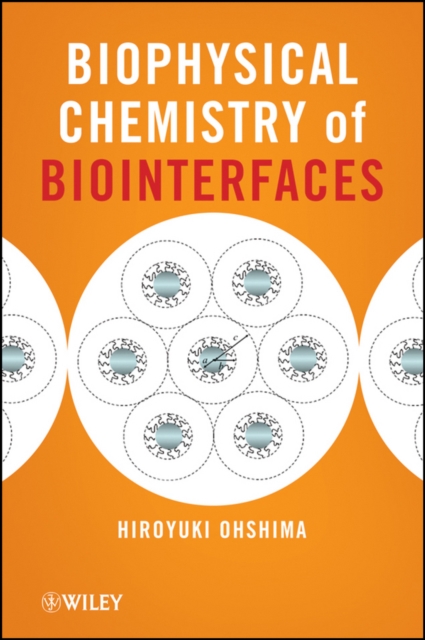
The first book on the innovative study of biointerfaces using biophysical chemistry The biophysical phenomena that occur on biointerfaces, or biological surfaces, hold a prominent place in the study of biology and medicine, and are crucial for research relating to implants, biosensors, drug delivery, proteomics, and many other important areas.
CELL BIOLOGY The ultimate concise introduction to modern cell biology, now updated Taking an essentials only approach, Cell Biology: A Short Course, Third Edition tells the story of cells as the unit of life in a uniquely accessible, student-friendly manner.
CELL BIOLOGY The ultimate concise introduction to modern cell biology, now updated Taking an essentials only approach, Cell Biology: A Short Course, Third Edition tells the story of cells as the unit of life in a uniquely accessible, student-friendly manner.
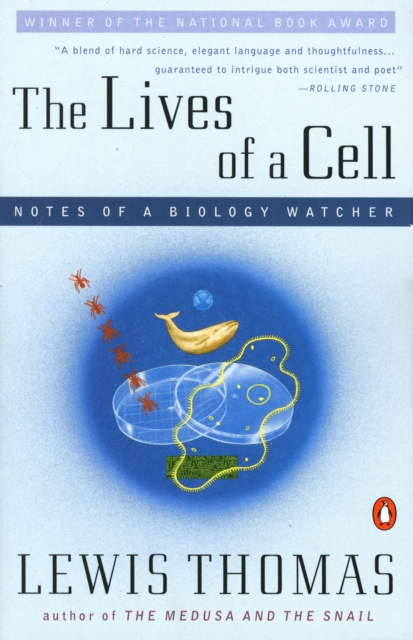
Elegant, suggestive, and clarifying, Lewis Thomas''s profoundly humane vision explores the world around us and examines the complex interdependence of all things.
This detailed volume provides methods to guide assay development, procedures designed to investigate the chemokine and glycosaminoglycan (GAG) networks, as well as their interactions, in a wide range of organs and tissues in disease and in health.
This second edition volume expands on the previous edition with updated methodologies and practical tips to overcome obstacles associated with experimentation pertaining to chemistry, biology, physiology, pathology, medical and dental sciences, and pharmacology of CCN proteins.
This volume covers a broad range of cell types including cultured cell lines, primary cells, and various unicellular organisms such as fission yeast, budding yeast, parasite Leishmania amazonensis, and parasite Trypanosoma brucei.
This volume brings together cutting-edge laboratory protocols to characterize the novel fluorescent proteins (FPs) and approaches based on fluorescent proteins that aim to answer some of the key cell biological questions.
This thorough volume explores protocols of proteome- and metabolome-wide strategies for the identification of protein-small molecule complexes in different organisms, in order to shed light on these important regulatory interactions.
This fully updated volume explores improved and extended protocols for embryonic stem cell (ESC) research, provided with the most direct and informative methodologies currently available.
This volume covers comprehensive methods on ways to assess structural and ultrastructural changes in the mitochondria, cytoskeleton, and microglia using state-of-the-art microscopy techniques including super-resolution imaging, electron microscopy, and ultra-high field MRI.
This volume provides detailed protocols for the identification and understanding of vasculogenic mimicry process in vitro and in vivo, in addition to protocols for microscopy and histology.
This detailed edition reflects the significant new findings in the components of permeability barriers and how they work in different tissues with a collection of cutting-edge techniques.
This volume provides a comprehensive compilation of protocols in T cell repertoire analysis, from the leading experts in the field, representing both well-established methods and cutting-edge advances.
This volume discusses methods used in the fields of molecular and cellular biology for detecting and studying cell death, especially in cancer and cancer therapy.
This volume details comprehensive protocols and methodologies to assess mitochondrial bioenergetics and dynamics in different tissues and cells involving health and pathological states.
This detailed volume presents a series of methods exploring membrane trafficking research, ranging from genetics and high-resolution imaging to in vitro biochemical and biophysical assays.
This book discusses the role of genes, oncogenes, anti-oncogenes, free radicals, PUFAs, anti-oxidants, lipid peroxidation process, telomere, and angiogenesis on the origin of cancer, cell proliferation, and cancer in general.
Thanks to tremendous technical advances in molecular biology and cellular imaging after those in electrophysiology, there is now a deep understanding of the physiology of nerve cells and their synaptic interconnections.
Thanks to tremendous technical advances in molecular biology and cellular imaging after those in electrophysiology, there is now a deep understanding of the physiology of nerve cells and their synaptic interconnections.
Unique in its coverage of such an extensive range of methods, Neuroscience Methods: A Guide for Advanced Students provides easy-to-understand descriptions of the many different techniques that are currently being used to study the brain at the molecular and cellular levels.
Unique in its coverage of such an extensive range of methods, Neuroscience Methods: A Guide for Advanced Students provides easy-to-understand descriptions of the many different techniques that are currently being used to study the brain at the molecular and cellular levels.
First published in 1988: This comprehensive set is crucial to the basic understanding of the immune system and is an essential component of the design and implementation of improved immunization strategies.
First published in 1988: This comprehensive set is crucial to the basic understanding of the immune system and is an essential component of the design and implementation of improved immunization strategies.
In the 40 years since the classic review of osmotic and ionic regulation written by Potts and Parry, there has been astonishing growth in scientific productivity, a marked shift in the direction and taxonomic distribution of research, and amazing changes in the technology of scientific research"e; It is indicative of the growth of the subject that as
This new volume aims to be the single source that discusses in a comprehensive and elaborate way the photosynthetic and respiratory mechanisms in plants under hostile situations and the proper mitigating strategies to continue uninterrupted photosynthesis and respiration under such situations.
This new volume aims to be the single source that discusses in a comprehensive and elaborate way the photosynthetic and respiratory mechanisms in plants under hostile situations and the proper mitigating strategies to continue uninterrupted photosynthesis and respiration under such situations.