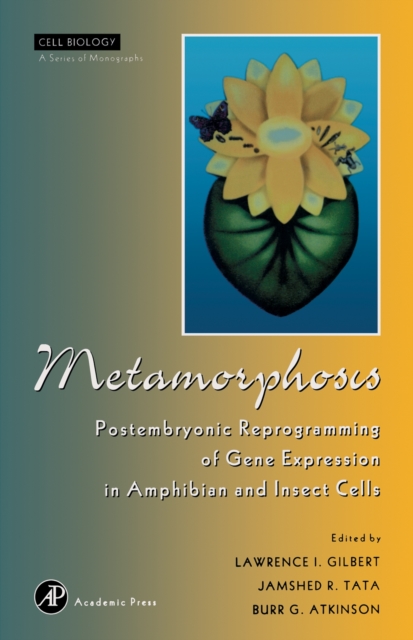
Metamorphosis addresses various facets of postembryonic development, particularly signal transduction, morphogenesis, cell-cell interactions, and programmed cell death.
This publication contains full papers of both oral and poster presentations of the symposium "e;Immobilized Cells: Basics and Applications"e; that was held in Noordwijkerhout, The Netherlands, 26-29 November 1995.
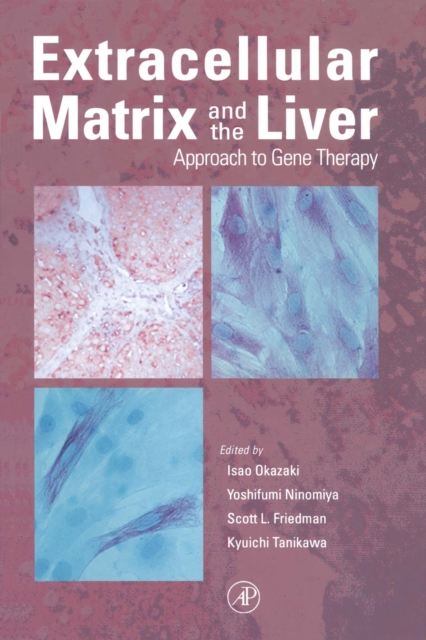
Extracellular Matrix of the Liver addresses the basic science of the extracellular matrix and discussesnew strategies for the treatment of cirrhosis of the liver, with a primary focus on possible gene therapyapproaches.
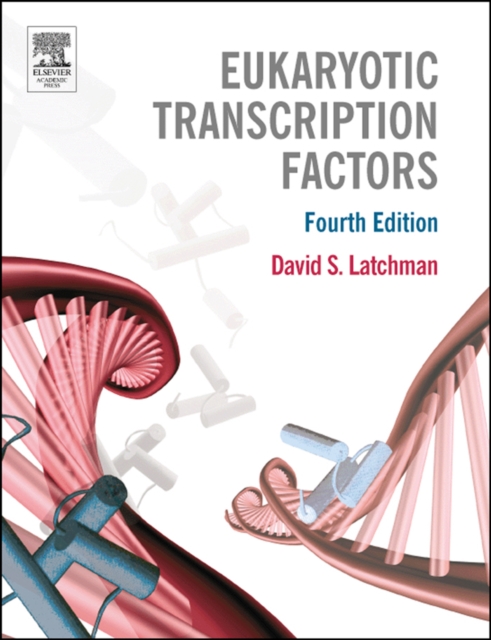
Now in two-colour throughout, the fourth edition of Eukaryotic Transcription Factors has been completely rewritten and restructured to take into account the tremendous advances in our understanding of transcription factors and the mechanisms by which they act.
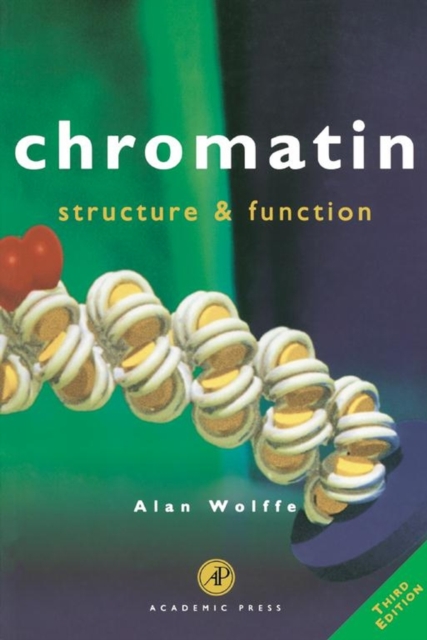
The Third Edition of Chromatin: Structure and Function brings the reader up-to-date with the remarkable progress in chromatin research over the past three years.
This work is an interdisciplinary, cross-cultural, widely-calibrated checklist for EU sustainable landscape management, which is intended to serve both as an analytical tool of reference as well as a design tool for local, regional and European policy making on sustainable developments.
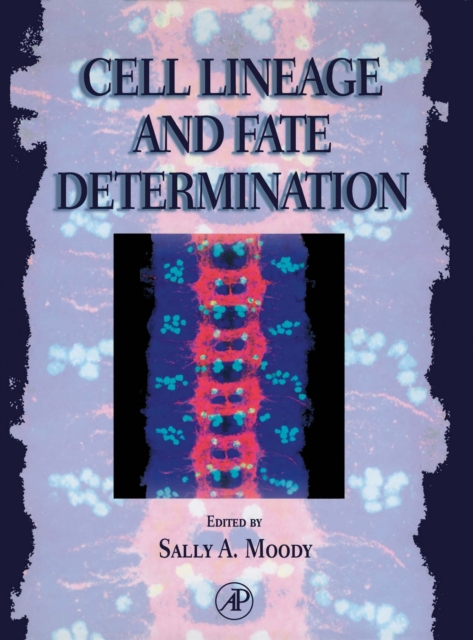
Cell Lineage and Fate Determination provides a comprehensive view of the mechanisms regulating cell lineage and fate determination in an effort to understand how the fertilized egg is transformed into a complex of specialized tissues.
This volume illustrates the extent to which the traditional distinction between biochemical and physiological processes is being obliterated by molecular biology.
Biomembrane Transport covers the fundamental principles of biomembrane transport proteins, including thermodynamics and kinetics, structure and catalytic mechanism, and regulation and integration classification.
Completely revised and expanded, this second edition of The Cytokine FactsBook is the most up-to-date reference manual available for all current well-characterized interleukins, cytokines, and their receptors.
Lipobiology is an interdisciplinary field which incorporates critical aspects of lipid and lipoprotein chemistry into the disciplines of cell biology and physiology.
The discovery of TRAIL (TNF Related Apoptosis Inducing Ligand), also referred to as Apo-2, is in an era of intense research because TRAIL induces many cancer cells to undergo programmed cell death (apoptosis), while having no effect on normal cells.
The critically acclaimed laboratory standard for more than forty years, Methods in Enzymology is one of the most highly respected publications in the field of biochemistry.
The ability of polypeptides to form alternatively folded, polymeric structures such as amyloids and related aggregates is being increasingly recognized as a major new frontier in protein research.
Each chapter presents a detailed background of the described method, its theoretical foundations, and its applicability to different biomedical material.
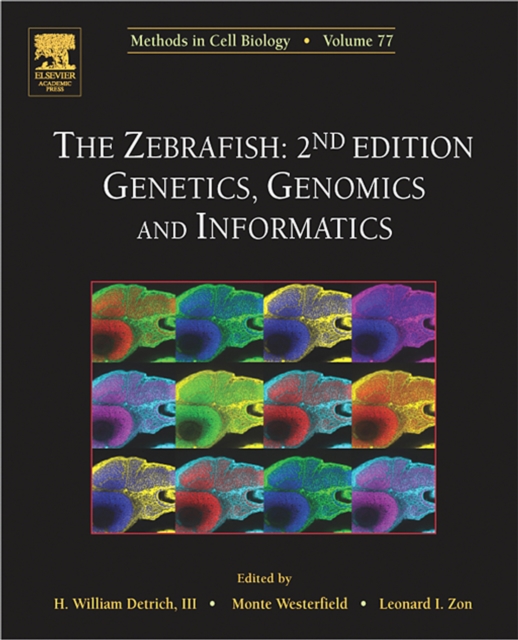
This volume of Methods in Cell Biology, the second of two parts on the subject of zebrafish, provides a comprehensive compendia of laboratory protocols and reviews covering all the new methods developed since 1999.
This volume in the Subcellular Biochemistry (SCBI) series is a continuation of several previous volumes devoted to the structural and functional study of protein complexes.
The critically acclaimed laboratory standard for more than forty years, Methods in Enzymology is one of the most highly respected publications in the field of biochemistry.
The critically acclaimed laboratory standard for more than forty years, Methods in Enzymologyis one of the most highly respected publications in the field of biochemistry.