This handbook is a therapeutic manual designed as a quick, practical guide and reference for house officers, fellows, pharmacists and nurses on the bone marrow transplant unit.
The Immunological Synapse - Part C, Volume 193 in the Methods in Cell Biology series provides state-of-the-art and detailed methods for the study of the T cell, natural killer (NK) cell and B cell immunological synapses.
Introduction to Cell Mechanics and Mechanobiology is designed for a one-semester course in the mechanics of the cell offered to advanced undergraduate and graduate students in biomedical engineering, bioengineering, and mechanical engineering.
Mechanobiology-the study of the effects of mechanical environments on the biological processes of cells-has evolved from traditional biomechanics via the incorporation of strong elements of molecular and cell biology.
Epigenetic Regulation of Cancer, Part D, Volume 390 in the International Review of Cell and Molecular Biology series, highlights new advances in the field, with this new volume presenting interesting chapters on a variety of hot topics, including Revisiting Epigenetic Regulation in Cancer: Evolving Trends and Translational Implications, Epigenetic Alteration in Cervical Cancer Induced by Human Papillomavirus, Integrative analysis of transcriptome, chromatin accessibility, cell surface antigen in single cell level for AML, Role of miRNAs as epigenetic regulators of immune checkpoints in lung cancer immunity, and much more.
This detailed book presents state-of-the-art protocols from scientists actively working in autophagy research, a crucial cellular process that regulates numerous cellular functions.
With chapter contributions from more than 30 metal biology experts, Cellular and Molecular Biology of Metals explains the role of key divalent metal ions involved in the molecular and cellular biology of various target cell populations.
This book provides information regarding three major aspects of AI2 metabolism: generation from its precursor, degradation within the brain, and transport out of the brain.
Animal Models of Disease, Part C, Volume 192 in the Methods in Cell Biology series, highlights advances in the field, with this new volume presenting interesting chapters on a variety of timely topics, including Characterizing tumor-infiltrating group 1 innate lymphoid cells in PyMT breast tumors, The current models unravel the molecular mechanisms underlying the intricate pathophysiology of Alzheimer's disease using Zebrafish, Colitis mouse model, Matching model with mechanism: appropriate animal models for studying various aspects of diabetes pathophysiology, Human cancer cells xenografts to assess the efficacy of granulysin-based therapeutics, and much more.
As the first detailed overview of the subject, Tight Junctions brought together diverse perspectives from leading investigators to provide a multidisciplinary overview of the field.
Detecting Signals at the Single Molecule Level: Pioneering Achievements in MicroscopyRecent advances have led to such remarkable improvements in fluorescence lifetime imaging microscopy's (FLIM) capacity for contrast and sensitivity that researchers can now employ it to detect signals at the single molecule level.
This volume presents the latest techniques used by researchers to study selective autophagy in a broad range of organisms such as yeast, plants, worms, fruit flies, and mammals.
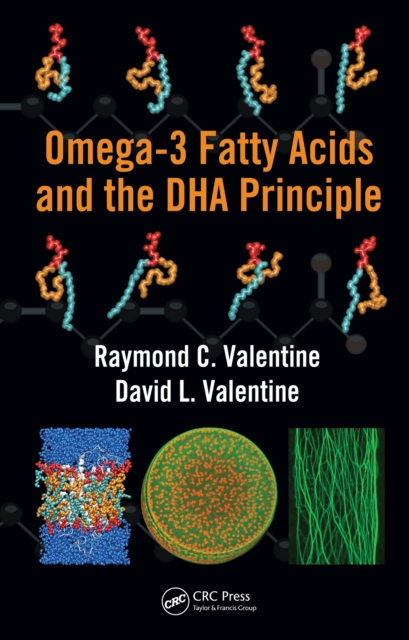
The physical-chemical properties of the omega-3 fatty acid DHA (docosahexaenoic acid) enable it to facilitate rapid biochemical processes in the membrane.
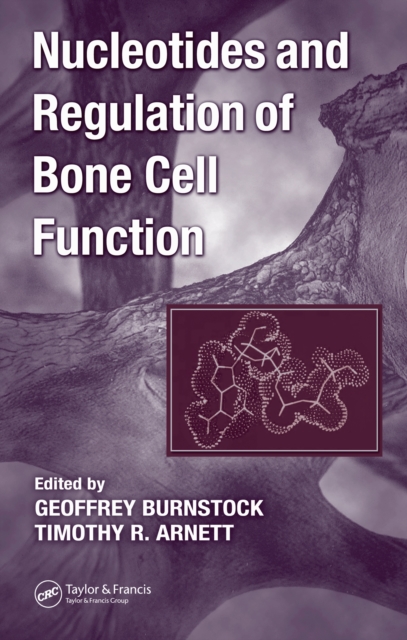
ATP's powerful impact on the heart and blood vessels was first described in 1929, but it was not until the 1970s that ATP was proposed as the 'purinergic' neurotransmitter in autonomic nerves.
Oxidative modification of lipids and phospholipids-including radical damage, halogenation, and nitration-result in significant changes to the chemical properties of the molecules, which in turn have a major effect on their biochemical functions.
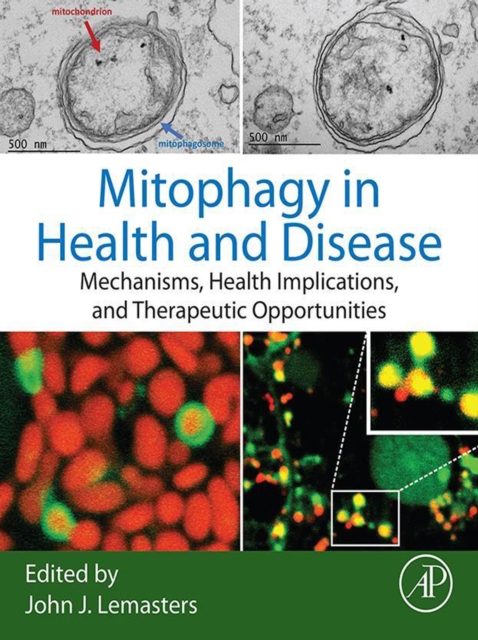
Mitophagy in Health and Disease: Mechanisms, Health Implications, and Therapeutic Opportunities is a complete reference to this key cellular process involved in homeostasis.
The 4th International Symposium on Mechanobiology (ISMB) organized by the Australian Society for Mechanobiology (AuSMB) took place at the Sydney Nanoscience Hub at the University of Sydney, Australia, from the 6th to the 9th of November 2022.
The 4th International Symposium on Mechanobiology (ISMB) organized by the Australian Society for Mechanobiology (AuSMB) took place at the Sydney Nanoscience Hub at the University of Sydney, Australia, from the 6th to the 9th of November 2022.
Using this concise yet complete introduction to all aspects of biological membranes and their responses to toxicants, the reader will understand the role of cell membranes in controlling uptake, distribution, extrusion and excretion of toxic xenobiotics.
Mitophagy in Health and Disease: Mechanisms, Health Implications, and Therapeutic Opportunities is a complete reference to this key cellular process involved in homeostasis.
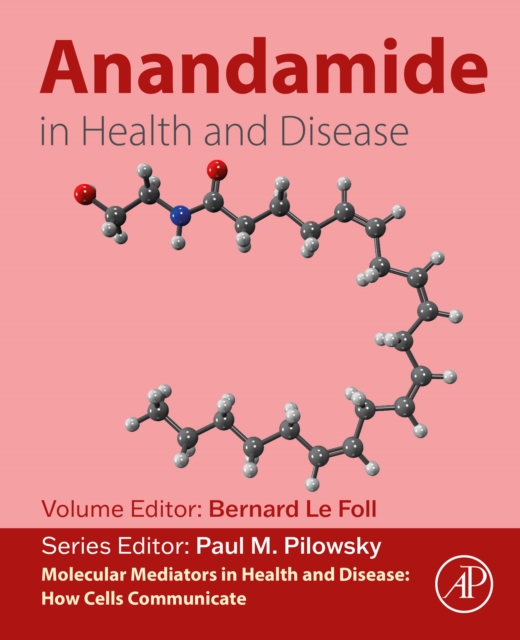
Anandamide in Health and Disease, a volume in the Molecular Mediators in Health and Disease: How Cells Communicate series, is a complete reference on the roles of anandamide in health and disease states.
Anandamide in Health and Disease, a volume in the Molecular Mediators in Health and Disease: How Cells Communicate series, is a complete reference on the roles of anandamide in health and disease states.
Though plant cells are separated by cell walls, cells maintain their identity as they are delimited by semi-permeable membranes that permit them to function as autonomous units.
This new edition delves into the latest developments in the field and new techniques used to study secondary and supersecondary structures (SSS) in proteins.
This new edition delves into the latest developments in the field and new techniques used to study secondary and supersecondary structures (SSS) in proteins.
Advances in Applied Microbiology, Volume 128 continues the comprehensive reach of this widely read and authoritative review source in microbiology where users will find invaluable references and information on a variety of areas relating to the topics of microbiology.
This new two-volume set presents the classical and advanced aspects of chromosomal and genomic structures and functions with special reference to chromosomes and cell division, providing a comprehensive resource for beginners, experts, and those venturing into the fascinating science of chromosomes and cell division.
Advances in Applied Microbiology, Volume 128 continues the comprehensive reach of this widely read and authoritative review source in microbiology where users will find invaluable references and information on a variety of areas relating to the topics of microbiology.
Though plant cells are separated by cell walls, cells maintain their identity as they are delimited by semi-permeable membranes that permit them to function as autonomous units.
Motor Neurobiology of the Spinal Cord provides a comprehensive description of the experimental tools available for investigating the neuronal properties that allow populations of spinal cord neurons to control muscles responsible for limb movements and posture control.