This detailed book delves into the diverse techniques and applications to target, isolate, image, phenotype, and analyze tissue-resident and monocyte-derived macrophages.
This book describes the three gasotransmitters nitric oxide (NO), hydrogen sulphide (H2S) and carbon monoxide (CO) and their function as intracellular signalling molecules in plants.
Advances in Cancer Research, Volume 160, the latest release in this ongoing, well-regarded serial, provides invaluable information on the exciting and fast-moving field of cancer research, with this updated edition covering PFKP: More Than Phosphofructokinase, Setting sail: maneuvering SHP2 activity and its effects in cancer, Mechanical factors driving cancer progression, Microsomal Glutathione Transferase 1 in Cancer and the Regulation of Ferroptosis, Lnc-ing epigenetic mechanisms with autophagy and cancer drug resistance, Head and Neck Cancer Treatment in the Era of Molecular Medicine, Applications of Tissue-Specific and Cancer-Selective Gene Promoters for Cancer Diagnosis and Therapy, and more.
This volume provides a comprehensive collection of experimental protocols for investigating ferroptosis in different systems, including cultured cells, animal models, and human tissues.
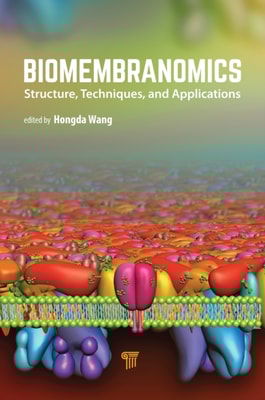
The membrane is an intricately structured entity that performs numerous vital biological functions, including materials transport, signal transduction, energy transfer, and enzymatic reactions.
This detailed book delves into the diverse techniques and applications to target, isolate, image, phenotype, and analyze tissue-resident and monocyte-derived macrophages.
This volume provides a comprehensive collection of experimental protocols for investigating ferroptosis in different systems, including cultured cells, animal models, and human tissues.
Viral Vectors in Cancer Immunotherapy, Volume 379 in the International Review of Cell and Molecular Biology presents the latest on cancer immunotherapy and how it has transformed cancer treatment through advances in immune checkpoint inhibitors and adoptive cell therapy.
This book tells the amazing story behind seashells: how they are made by mollusks, used for protection and camouflage, and full of clues about all they've been through.
Viral Vectors in Cancer Immunotherapy, Volume 379 in the International Review of Cell and Molecular Biology presents the latest on cancer immunotherapy and how it has transformed cancer treatment through advances in immune checkpoint inhibitors and adoptive cell therapy.
Recent advances in biotechnology in areas as diverse as agriculture, the environment, food, and healthcare have led to much debate and media attention.
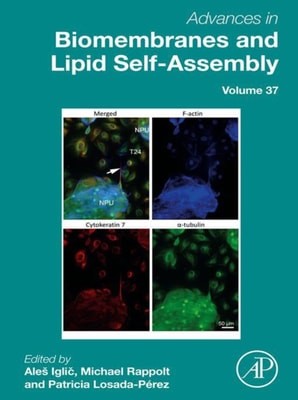
Advances in Biomembranes and Lipid Self-Assembly, Volume 37 provides a comprehensive compilation of recent developments in a field that is in a state of rapid growth as new experimental and theoretical techniques are used on many problems, both old and new.
How recent breakthroughs in longevity research offer clues about human agingAll of us would like to live longer, or to slow the debilitating effects of age.
Advances in Biomembranes and Lipid Self-Assembly, Volume 37 provides a comprehensive compilation of recent developments in a field that is in a state of rapid growth as new experimental and theoretical techniques are used on many problems, both old and new.
How recent breakthroughs in longevity research offer clues about human agingAll of us would like to live longer, or to slow the debilitating effects of age.
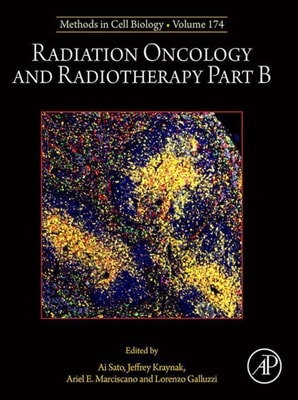
Radiation Oncology and Radiotherapy, Part B, Volume 174 in the Methods in Cell Biology series, highlights advances in the field, with this new volume presenting interesting chapters on timely topics including CT-assisted focal irradiation of tumors in mice, Methods to preserve correct dosimetry in small animal irradiators, Monitoring TGFbeta signaling in irradiated tumors, Cytofluorometric characterization of the lymphoid compartment of irradiated tumors, Cytofluorometric characterization of the myeloid compartment of irradiated tumors, Mass cytometry to characterize the immune infiltrate of irradiated tumors, Characterization of the immune infiltrate in irradiated mouse tumor by multiplex immunofluorescence, and much more.
Cryo-EM, as it is currently practiced in many laboratories, is limited to the visualization of molecules that are in thermal equilibrium at the time before freezing.
Cryo-EM, as it is currently practiced in many laboratories, is limited to the visualization of molecules that are in thermal equilibrium at the time before freezing.