This thesis describes the use of biophysical and biochemical methods to prove that calcium has a positive feedback effect on amplifying and sustaining CD3 phosphorylation and should enhance T-cell sensitivity to foreign antigens.
This book brings together environmental scientists and engineers to discuss the development of new approaches and methodologies which utilize microalgae for biological wastewater treatment.
Recent advances in the field of recombinant antibodies have permitted the manipulation of genes encoding specific antibodies, thus allowing their ectopic expression in a wide variety of non-lymphoid cells.
Flow cytometric analysis of molecular, biochemical, genetic and developmental parameters using cellular fluorescence techniques as well as fluorescence-activated (FACS) or magnetic (MACS) cell sorting technologies provide unique options for molecular and cellular biology.
Physiology and biochemistry of male reproductive function and semen became the main area of my research in 1944, after my attention was finally diverted frorp.
The establishment of microinjection protocols about 20 years ago for cultured cells and shortly thereafter for the generation of transgenic mice by microinjection of DNA into fertilized mouse eggs greatly influ- enced many fields of biology.
The chicken is a useful model for research into the basic features of immunology because its immune system functions in a way similar to that of human beings and because the chicken embryo is easily accessed experimentally.
Although previously thought to be merely passive structural components, membrane lipids have recently been found to be actively involved in cellular transport and signal transduction processes.
The long-term storage and maintenance of viable plant cells and organs is an area of active concern across the range of pure and applied plant sciences.
The first experiments with neural transplantation into the brain (for a review, see Bjorklund and Stenevi 1985) were reported at the end of the last century by Thompson (1890), who took cortical tissue from adult cats and implanted the tissue pieces into the neocortex of adult dogs.
The containment of cell growth is at the core of the homeostatic regulation of metazoans, and considerable progress has been made in the understanding of how this is achieved.
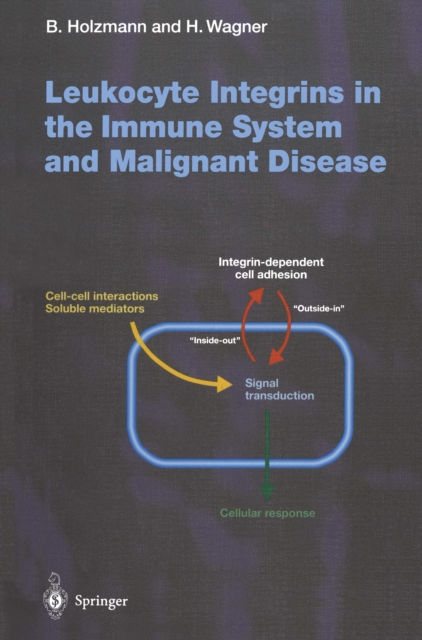
Most lymphocytes recirculate throughout the body, migrating from blood through organized lymphoid tissues such as lymph nodes (LN) and Peyer's patches (PP), then to lymph and back to blood (GOWANS and KNIGHT 1964).
More than 10 years ago, the discovery of cyclin-dependent ki- nases (Cdks) ushered in a new era in the understanding of cell proliferation and its control.
With one new volume each year, this series keeps scientists and advanced students informed of the latest developments and results in all areas of botany.
Currently, the cellular and molecular mechanisms governing the development and regulation of the vasculature are studied in- tensely and the field is rapidly progressing.
Mucosal immunity encompasses a broad field of research that includes areas of epithelial cell and molecular biology, molecular and cellular immunology, microbiology, virology, and vaccinology.
In addition to the traditional cytogenetics still used as the basic methodology for everyday clinical diagnosis, new molecular cytogenetic techniques provide a useful basis for routine diagnosis.
Interest in the study of the biology of aging especially as it relates to humans has increased steadily in the last 50 years and continues today to be at the forefront of experimental biology.
Researchers may find themselves confronted with proteases, either because they play an essential role in a particular process they are studying, or because they interfere with that process.
Standard molecular biology techniques are used widely in biomedical re- search and have had a major impact on the understanding of physiologic processes and disease mechanisms.
The essence of combinatorial chemistry or techniques involving "e;molecular diversity"e; is to generate enormous populations of molecules and to exploit appropriate screening techniques to isolate active components contained in these libraries.
"e;Protein Structure Analysis - Preparation and Characterization"e; is a compilation of practical approaches to the structural analysis of proteins and peptides.
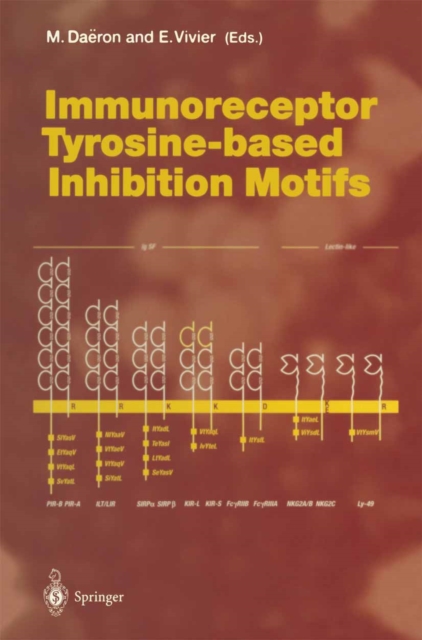
Novel molecular motifs named Immunoreceptor Tyrosine-based Inhibition Motifs (ITIMs) have recently been recognized in the intracytoplasmic domains of a still-increasing number of receptors which control cell activation and proliferation.
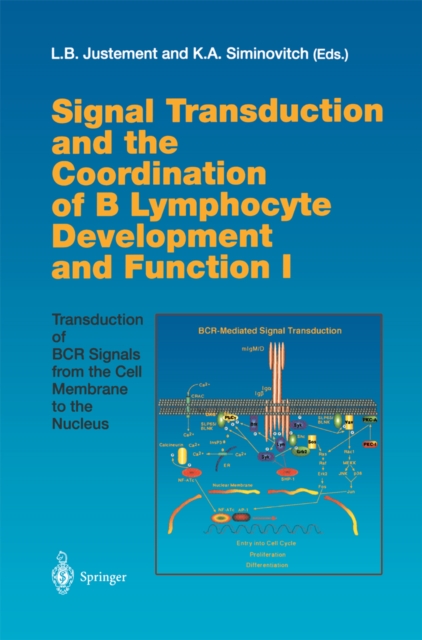
Proper development and differentiation of B lymphocytes is es- sential to ensure that an organism has the ability to mount an effective humoral immune response against foreign antigens.
Since antibodies tagged with markers have been developed, immunocytochemistry has become the method of choice for identifying tissue substances or for the localisation of nucleic acid in tissue by in situ hybridisation.
New techniques and updated protocols for the detection and analysis of biomolecules - proteins, glycoproteins and nucleic acids - are presented in the second edition of this successful laboratory manual.
In this issue of Current Topics in Microbiology and Immunology the authors present a unique range of examples of the regenerative response and the role of stem cells from the amphibian to human.