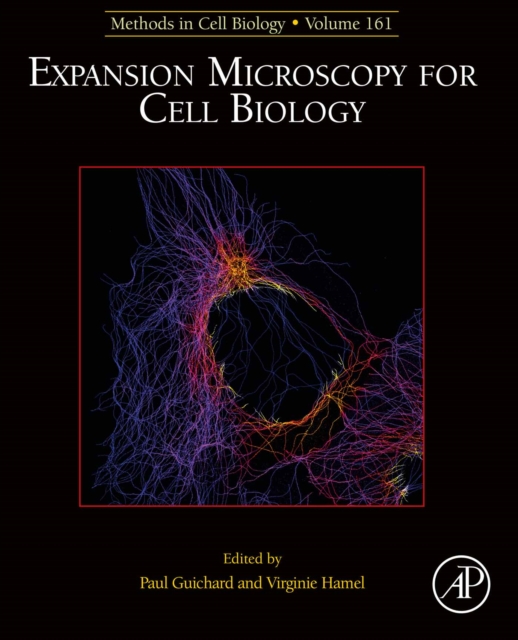
Expansion Microscopy for Cell Biology, Volume 161 in the Methods in Cell Biology series, compiles recent developments in expansion microscopy techniques (Pro-ExM, U-ExM, Ex-STED, X10, Ex-dSTORM, etc.
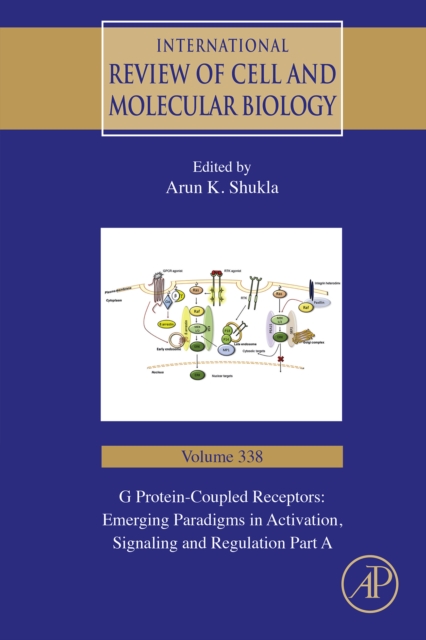
G Protein-Coupled Receptors: Emerging Paradigms in Activation, Signaling and Regulation, Part A, Volume 337 in the International Review of Cell and Molecular Biology series, reviews and details current advances in cell and molecular biology.
Actin Cytoskeleton in Cancer Progression and Metastasis - Part A, Volume 355 in the International Review of Cell and Molecular Biology series, provides an overview of the roles of the actin cytoskeleton and some of its key structural regulators, including WASp, Paxillin, Myosin, Testin, L-Plastin and profilin, in central processes underlying cancer progression and metastasis, such as changes in cell morphology and gene expression, acquisition of migratory and invasive capabilities, and evasion from the immune response.
Echinoderms, Volume 150 in the Methods in Cell Biology series, highlights new advances in the field, with this update presenting interesting chapters on procuring animals and culturing of eggs and embryos, cryopreservation of sea urchin gametes, emerging echinoderm models, culturing of sand dollars, cidaroids and heart urchins, culturing echinoderm larvae through metamorphosis, microinjection methods, injection of exogenous messages and protein overexpression, blastomere transplantation, visualization of embryonic polarity, larval immune cell approaches, methods for analysis of sea urchin primordial germ cells, and protocols and best practices for toxicology and pH studies using echinoderms and several new chapters outlining the use of sea urchins in the classroom.
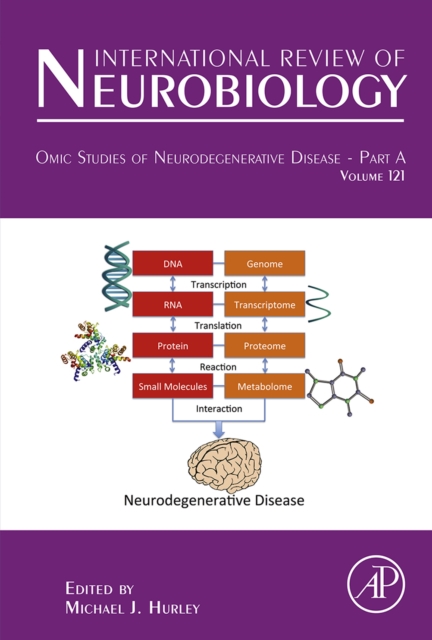
Omic Studies of Neurodegenerative Disease: Part A is part of a well-established international series on neuroscience that examines major areas of basic and clinical research, along with emerging and promising subfields.
Cell Death Regulation in Health and Disease - Part A, Volume 351, the latest release in the International Review of Cell and Molecular Biology reviews current advances in cell and molecular biology.
This new volume of Current Topics in Developmental Biology covers the area of Planar Cell Polarity with contributions from an international board of authors.
"e;The Teeth of Mammalian Vertebrates is an important reference for researchers in dentistry, comparative morphology, anthropology, and vertebrate palaeontology, and those with an interest in exploring and understanding diversity.
The Rise of Chance in Evolutionary Theory: A Pompous Parade of Arithmetic explores a pivotal conceptual moment in the history of evolutionary theory: the development of its extensive reliance on a wide array of concepts of chance.
Adoptive Cell Transfer, Volume 371 in the International Review of Cell and Molecular Biology series highlights advances in the field, with this new volume presenting interesting chapters written by an international board of authors who expound on topics such as the Impact of tumor microenvironment on Adoptive Cell Transfer activity, Dendritic Cell Transfer, CAR-T Cell dysfunction and exhaustion, NK Cell-based cancer immunotherapy, Enabling CAR-T cells for solid tumors: rage against the suppressive tumor microenvironment, Improving Adoptive T-Cell therapy with cytokines administration, and What will (and should) be improved in Immunotherapy with CAR?
Adoptive Cell Transfer, Volume 370 in the International Review of Cell and Molecular Biology series highlights advances in the field, with this new volume presenting interesting chapters written by an international board of authors who expound on topics such as the Impact of tumor microenvironment on Adoptive Cell Transfer activity, Dendritic Cell Transfer, CAR-T Cell dysfunction and exhaustion, NK Cell-based cancer immunotherapy, Enabling CAR-T cells for solid tumors: rage against the suppressive tumor microenvironment, Improving Adoptive T-Cell therapy with cytokines administration, and What will (and should) be improved in Immunotherapy with CAR?
Recapitulating The Stem Cell Niche Ex Vivo, Volume Six in the Advances in Stem Cells and their Niches series, highlights new advances in the field, with this new volume presenting interesting chapters on a variety of topics, including Recapitulating the bone marrow stem cell niche ex vivo, The generation of the liver ex vivo, Recapitulating the thymic stem cell niche ex vivo, Recapitulating the intestinal epithelium stem cell niche ex vivo, Recapitulating the lung stem cell niche in vitro, Recapitulating mammary tissue in vitro, and Recapitulating muscle in vitro.
The Cancer Stem Cell Niche, Volume Five in the Advances in Stem Cells and their Niches series, highlights new advances in the field, with this new volume presenting interesting chapters on a variety of timely topics, including Acute lymphoblastic leukemia and the bone marrow microenvironment, Stem cell niches in bone and their roles in cancer metastasis, The role of vasculature in cancer stem cell niches, The lung cancer stem cell niche, The prostate cancer stem cell niche: Genetic drivers and therapeutic approaches, Impact of prostate cancer stem cell niches on prostate cancer tumorigenesis and progression, The testicular cancer stem cell niche.
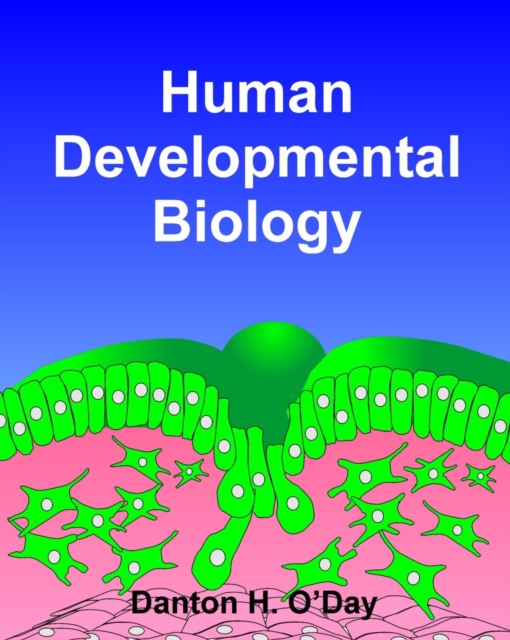
A uniquely accessible way of looking at recent major advances in the science of embryonic development In the span of just three decades, scientific understanding of the formation of embryos has undergone a major revolution.
New Antibody Formats, Volume 369 in the International Review of Cell and Molecular Biology serial, highlights new advances in the field with this new volume presenting interesting chapters on a variety of important topics, including Current innovative engineered antibodies, Advances in bispecific antibodies, Applications of trimerbodies for cancer immunotherapy, Multispecific mAb-Anticalin formats, New antibody formats to treat Lung Cancer, Immunocytokines: from bench to bedside, and Single domain antibodies in cancer.
MRNA-Based Therapeutics, Volume 372 in the International Review of Cell and Molecular Biology series, covers topics surrounding the effect of different metabolic situations, their contribution to metabolic modulation, and their impact on tumor growth.
A biophysicist reveals the hidden unity behind nature's breathtaking complexityThe form and function of a sprinting cheetah are quite unlike those of a rooted tree.
This detailed edition reflects the significant new findings in the components of permeability barriers and how they work in different tissues with a collection of cutting-edge techniques.
This fully updated volume explores improved and extended protocols for embryonic stem cell (ESC) research, provided with the most direct and informative methodologies currently available.
In this book, plant biology is considered from the perspective of plants and their surrounding environment, including both biotic and abiotic interactions.
Muscle Biology: The Life History of a Muscle looks at the story of a muscle from its embryonic beginnings, through its growth and ability to adapt to changing functional circumstances during adult life, to its eventual decline in both structure and function as old age progresses.
Advances in the Biosciences 13: Hormones and Embryonic Development investigates various aspects of hormones and embryonic development, including their physiological and pharmacological effects.
The unique architecture and physiology of the mammalian intestine, together with a tightly coordinated regulatory system, allows for the handling and absorption of as much as 9 L of fluid a day with 98% or greater efficiency.
Revealing essential roles of the tumor microenvironment in cancer progression, this volume focuses on non-hematopoietic cells within the tumor microenvironment.
This book introduces many new technologies and clinical applications of hematopoietic stem cells and mesenchymal stem cell transplantation for the treatment of autoimmune diseases and inflammatory diseases.
This volume explores pericytes' roles under distinct pathological conditions, ranging from tumors, ALS, Alzheimer's disease, Multiple Sclerosis, stroke, diabetes, atherosclerosis, muscular dystrophies and more.
This book covers subjects that have major impacts on society, such as the mechanism of maternal-fetal transfer of vitamin A, and the effects of alcohol on retinoic acid signaling and mammalian embryonic development.