Blast is an important foliar disease that infects the majority of cereal crops like rice, finger millet, pearl millet, foxtail millet and wheat, and thus resulting in a huge economic impact.
This book focuses on the basic aspects of dental stem cells (DSCs) as well as their clinical applications in tissue engineering and regenerative medicine.
This book constitutes a key reference on the use of algae in the biopharmaceuticals production field; providing an updated outlook on the achievements accomplished thus far and transmitting a prospective view for this biotechnological application.
This book presents the current state of knowledge on the origin and differentiation of cell lines involved in the development of the vertebrate male and female gonads with particular emphasis on the mouse.
The content covered encompass not only the theoretic and methodological aspects for culturing human pluripotent stem cells, but also the establishment of induced pluripotent stem cells and their differentiation into specific cellular subtypes.
The book reviews the main approaches for generation of differentiated cells from various types of stem cells, including embryonic, placental and cord blood stem cells through marrow, adipose tissue and dental pulp.
This book explores Dental Stem Cell (DSC) biology, from a review of basic concepts for cell culture, to isolation, self-renewal, multipotency and differentiation, regulation by molecular medicine, and prospective research areas for regenerative medicine.
Regenerative medicine is the main field of groundbreaking medical development and therapy using knowledge from developmental and stem cell biology as well as advanced molecular and cellular techniques.
Regenerative medicine is the main field ofgroundbreaking medical development and therapy using knowledge fromdevelopmental and stem cell biology, as well as advanced molecular and cellulartechniques.
Regenerative medicine is the main field ofgroundbreaking medical development and therapy using knowledge from developmental andstem cell biology, as well as advancedmolecular and cellular techniques.
Grasses dominate many natural ecosystems and produce the bulk calories consumed by humans either directly in the form of grains or indirectly through forage/grain fed animals.
This book provides an update of recent advances in the basic and clinical applications of cell-based therapies for myocardial repair and regeneration in ischemic heart disease (IHD) and heart failure (HF).
Recent Advances on Mycorrhizal Fungi integrates work done by pre-eminent scientists, academics, and researchers dedicated to the study of mycorrhizas in laboratories around the world.
This volume thoroughly examines breast cancer stem cells (BCSCs), from basic definitions to techniques for identifying, isolating, culturing, and targeting BCSCs for therapy; there is additional focus on pre-clinical and clinical results.
This book presents a comprehensive overview of the current understanding of the organization of endogenous lung stem and progenitor cell compartments during fetal lung development, postnatal lung growth and in adulthood.
This book offers readers cutting-edge research at the interface of polymer science and engineering, biomedical engineering, materials science, and biology.
This second edition of a well-received book focuses on rhythmic behaviour in plants, which regulates all developmental and adaptive responses and can thus be regarded as quintessential to life itself.
This text provides both review and primary research articles for a broad audience of biologists, chemists, biochemists, pharmacologists, clinicians and nutrition experts, especially those interested in the biosynthesis, structure, function and/or bioactivity of plant natural products.
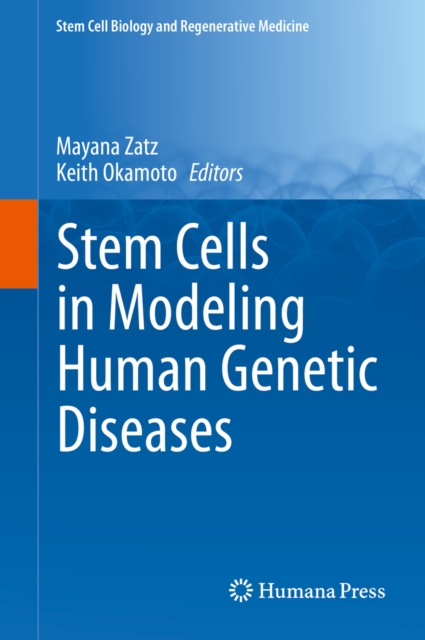
While most stem cell books focus on basic aspects and/or cell therapy, this book emphasizes the relevance of stem cells obtained from patients, the so-called "e;patients in a petri dish"e; as tools to investigate human genetic diseases for which there are no available effective treatment.
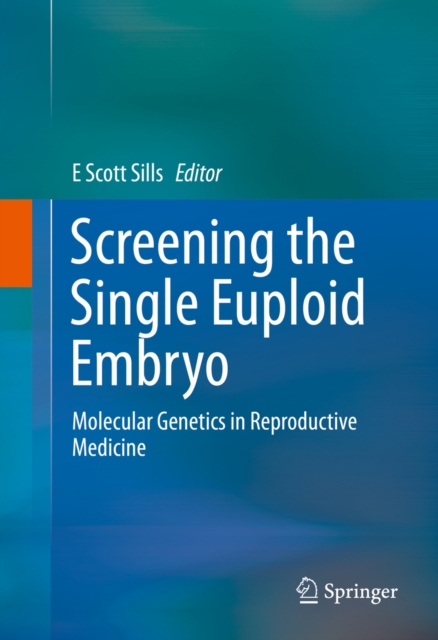
Intended for readers with a background in fertility medicine as well as those less familiar with IVF, this comprehensive work presents an update on preimplantation genetic testing to enable single embryo transfer (SET).
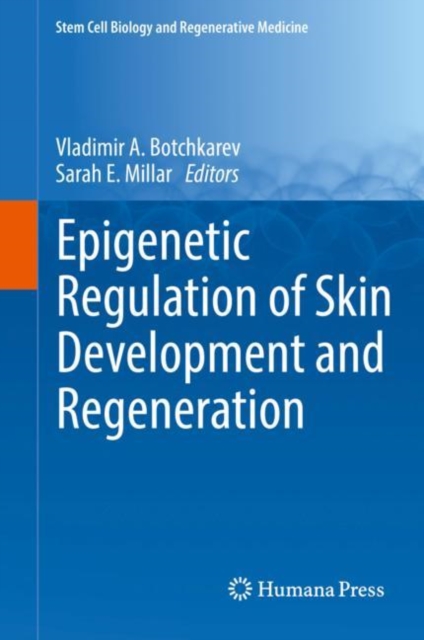
This indispensable volume highlights recent studies identifying epigenetic mechanisms as essential regulators of skin development, stem cell activity and regeneration.
This volume presents the most current reviews on how cancer stem cells (CSCs) hypothesis dictates that the continued proliferation of a tumor is dependent on a sub-population of self-renewing and asymmetrically dividing neoplastic stem cells that supply a largely differentiated tumor.
Over the past few decades technological advances in transcriptomics, proteomics, metabolomics, and glycomics along with the ability to selectively knockout genes of interest has greatly advanced our understanding of maternal-conceptus interactions that are essential for the establishment and maintenance of a successful pregnancy.
Cell Therapy for Brain Injury is a thorough examination of using state-of-the-art cell therapy in the treatment of strokes and other traumatic brain injuries.
This book outlines a unified theory of embryonic development, assuming morphogenesis to be a multi-level process including self-organizing steps while also obeying general laws.