The eagerly anticipated conclusion to Peter Godfrey-Smith's three-part exploration of the origins of intelligence on Earth, which began with the bestselling Other Minds in 2018 and continued with Metazoa in 2020.
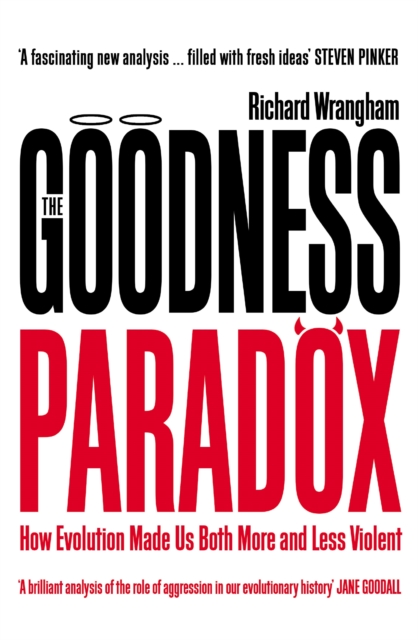
'A fascinating new analysis of human violence, filled with fresh ideas and gripping evidence from our primate cousins, historical forebears, and contemporary neighbors' Steven Pinker'A brilliant analysis of the role of aggression in our evolutionary history' Jane GoodallIt may not always seem so, but day-to-day interactions between individual humans are extraordinarily peaceful.
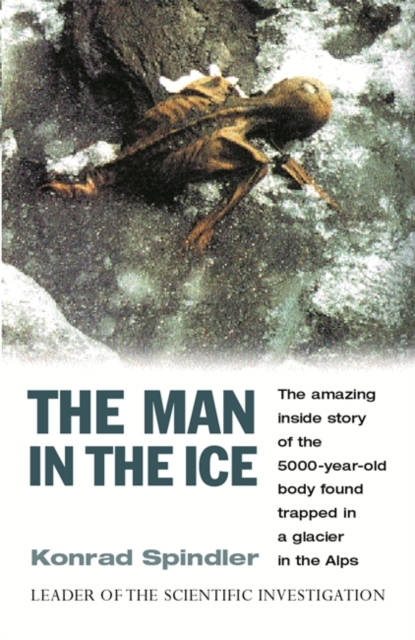
The amazing story of the discovery of a 5000-year-old body found perfectly preserved in the Alps - written by the leader of the investigationIn 1991 the world was electrified by a chance discovery of a perfectly preserved corpse trapped in an Alpine glacier.
'Brilliant' - The Times'Hugely informative and entertaining' - New Scientist'Put this at the head of your reading lists immediately' - Eric IdleFrom Royal Society Science Book Prize winner Henry Gee, a thrilling and thought-provoking account of the rise and fall of humankind.
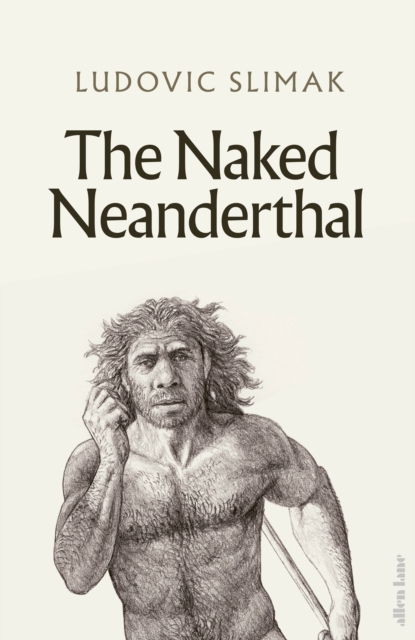
In this acclaimed bestseller, an explorer and Neanderthal hunter takes us on a riveting journey of discovery'With the style of a poet and imagination of a philosopher, Ludovic Slimak probes the minds of Neanderthals.
Discover the second volume of an epic, beautifully illustrated graphic history of humankind, based on Yuval Noah Harari's multi-million copy bestselling phenomenon.
THE PERFECT READ FOR TROUBLED TIMESFrom the bestselling author of The Story of the British Isles in 100 Places comes this inspiring and beautifully written meditation on the wisdom inherited from our ancestors.
The discovery of the remains of 'Boxgrove Man', a 'Missing Link' hominid half a million years old in chalk pits in Sussex made world headlines in May 1994.
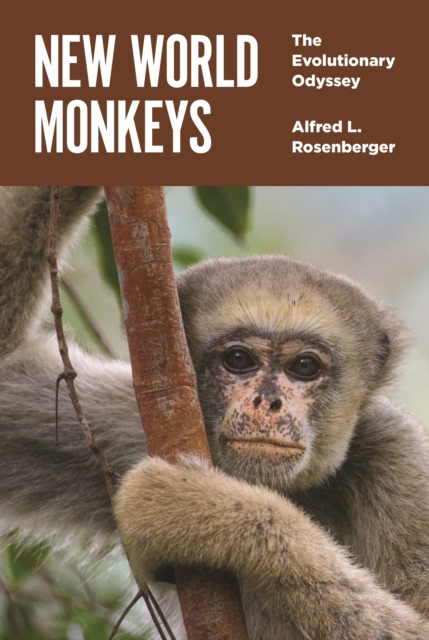
A comprehensive account of the origins, evolution, and behavior of South and Central American primatesNew World Monkeys brings to life the beauty of evolution and biodiversity in action among South and Central American primates, who are now at risk.
Part of the new Ladybird Expert series, Evolution is a clear, simple and entertaining introduction to Charles Darwin's pioneering and revolutionary theory of how all life changes through natural selection.
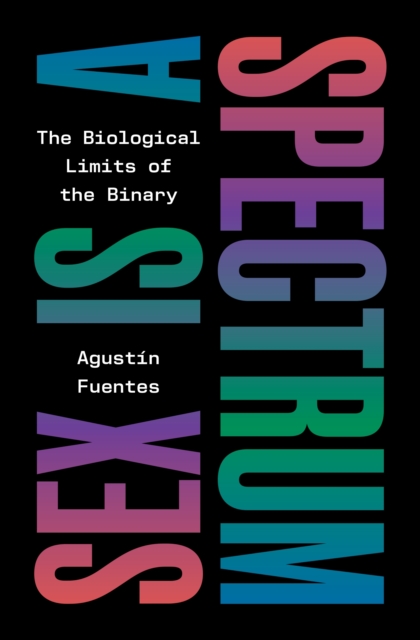
Why human biology is far more expansive than the simple categories of female and maleBeing human entails an astonishingly complex interplay of biology and culture, and while there are important differences between women and men, there is a lot more variation and overlap than we may realize.
Why human biology is far more expansive than the simple categories of female and maleBeing human entails an astonishingly complex interplay of biology and culture, and while there are important differences between women and men, there is a lot more variation and overlap than we may realize.
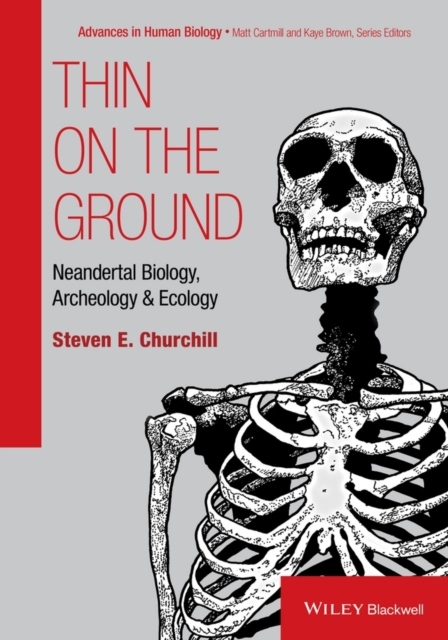
Thin on the Ground: Neandertal Biology, Archeology and Ecology synthesizes the current knowledge about our sister species the Neandertals, combining data from a variety of disciplines to reach a cohesive theory behind Neandertal low population densities and relatively low rate of technological innovation.
Thin on the Ground: Neandertal Biology, Archeology and Ecology synthesizes the current knowledge about our sister species the Neandertals, combining data from a variety of disciplines to reach a cohesive theory behind Neandertal low population densities and relatively low rate of technological innovation.
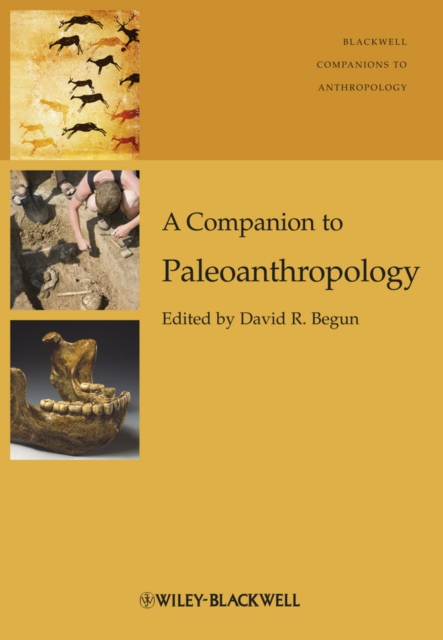
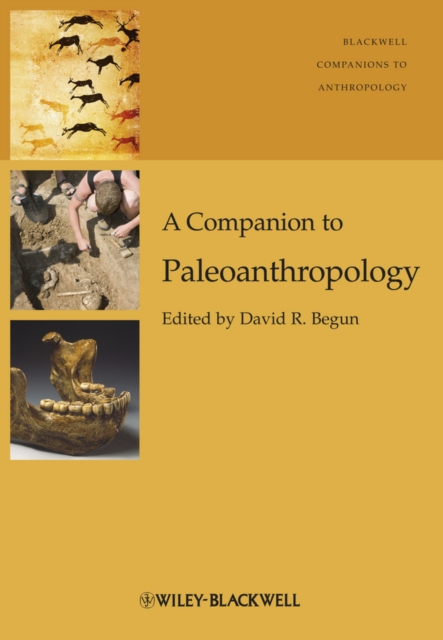
A Companion to Paleoanthropology presents a compendium of readings from leading scholars in the field that define our current knowledge of the major discoveries and developments in human origins and human evolution, tracing the fossil record from primate and hominid origins to the dispersal of modern humans across the globe.
A Companion to Paleoanthropology presents a compendium of readings from leading scholars in the field that define our current knowledge of the major discoveries and developments in human origins and human evolution, tracing the fossil record from primate and hominid origins to the dispersal of modern humans across the globe.
An anthropologist uncovers new evidence for the evolutionary origins of human longevityand explains why growing old is an opportunity, not a burdenOur ability to live for decades may seem like a modern luxury made possible by clean water and advances in medicine.
The epic story of human evolution, from our primate beginnings more than five million years ago to the agricultural eraOver the course of five million years, our primate ancestors evolved from a modest population of sub-Saharan apes into the globally dominant species Homo sapiens.
A New Scientist Best Book of 2020How is it that a baboon and a blob of slime mould instinctively know what to eat for optimal health, balancing their protein, fat and carb intake in perfect proportions?
A major new theory of why human intelligence has not evolved in other speciesThe Human Evolutionary Transition offers a unified view of the evolution of intelligence, presenting a bold and provocative new account of how animals and humans have followed two powerful yet very different evolutionary paths to intelligence.
A comprehensive account of the origins, evolution, and behavior of South and Central American primatesNew World Monkeys brings to life the beauty of evolution and biodiversity in action among South and Central American primates, who are now at risk.
THE NEW YORK TIMES BESTSELLER AND SUNDAY TIMES, OBSERVER AND BBC HISTORY BOOK OF THE YEARFINALIST FOR THE ORWELL PRIZE FOR POLITICAL WRITING 2022'Pacey and potentially revolutionary' Sunday Times 'Iconoclastic and irreverent .
LONGLISTED FOR THE WELLCOME TRUST BOOK PRIZE 2012While carrying out historical research at an Ontario asylum, psychiatrist Harry Karlinsky comes across a familiar surname in the register.
Steve Jones's highly acclaimed, double prize-winning, bestselling first book is now fully revised to cover all the new genetic breakthroughs from GM food to Dolly the sheep.
The most important investigation of genetic science since The Selfish Gene, from the author of the critically acclaimed and best-selling The Red Queen and The Origins of Virtue.