A NEW YORK TIMES BESTSELLERLONGLISTED FOR THE WOMEN'S PRIZE FOR NON-FICTION 2024SHORTLISTED FOR THE ROYAL SOCIETY TRIVEDI SCIENCE BOOK PRIZE 2024FOYLE'S NON-FICTION BOOK OF THE YEAR 2023LONGLISTED FOR BLACKWELL'S NON-FICTION BOOK OF THE YEAR 2023ONE OF THE GUARDIAN'S BEST IDEAS BOOKS OF 2023ONE OF THE TELEGRAPH'S FIFTY BEST BOOKS OF 2023ONE OF PROSPECT'S BOOKS OF THE YEAR 2023ONE OF DUA LIPA'S SERVICE95 RECOMMENDATIONS FOR '5 INSPIRING READS TO KICK START THE NEW YEAR'Funny and very important' Chris van Tulleken, bestseling author of Ultra-Processed People'Educates and emboldens' Bonnie Garmus, bestselling author of Lessons in Chemistry'Should revolutionise our understanding of human life' George Monbiot, bestselling author of Regenesis'A vast and revolutionary history of female evolution' Sunday TimesHow did wet nurses drive civilization?
'Profound and timely' Tony Juniper'A tour de force' Lorna GibbA panoramic history of life, revealing the forces that have shaped our world and could shape it againLife evolved in two phases.
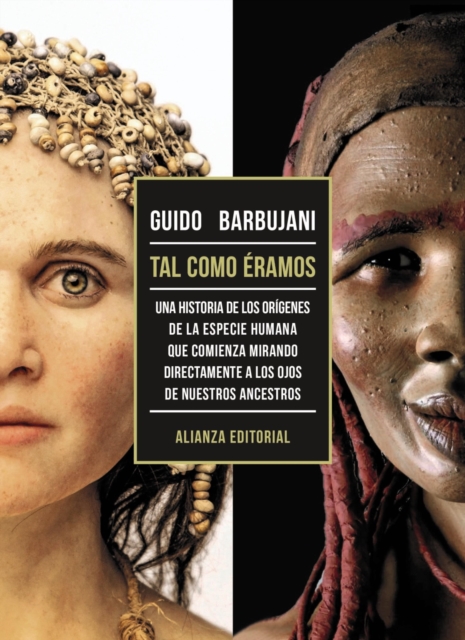
Tal como éramos relata con rigor y amenidad divulgativa una historia de la evolución humana, abarcando varios millones de años y combinando información textal y visual, porque, como dice el autor, ¡qué importante es verse las caras!
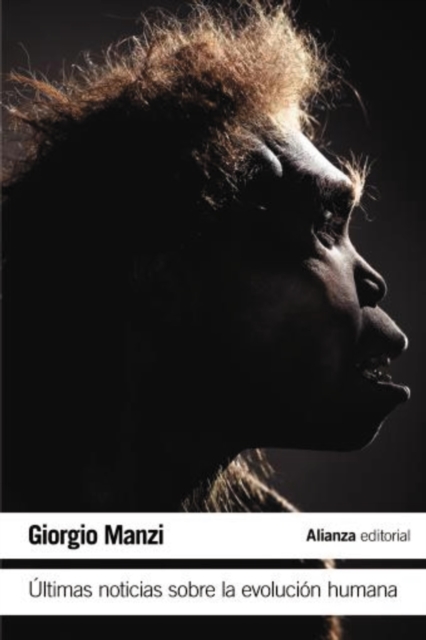
Como declara ya en el prólogo su autor, Giorgio Manzi, "Últimas noticias sobre la evolución humana" es un libro esencialmente divulgativo acerca de nuestra prehistoria, desde Lucy a los neanderthales, del misterioso "Homo naledi" a Ötzi o a los hallazgos de Atapuerca.
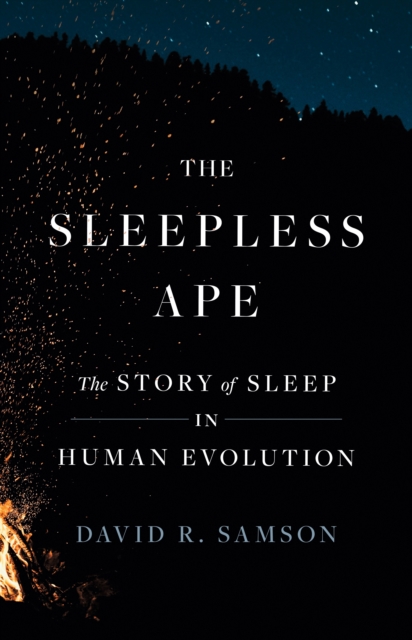
How the unique sleep habits of early humans fostered survival, innovation, and social evolutionand how this evolutionary legacy holds insights into how we sleep todayDespite sleep's critical role in maintaining health and cognitive function, humans sleep less than any other primate.
How the unique sleep habits of early humans fostered survival, innovation, and social evolutionand how this evolutionary legacy holds insights into how we sleep todayDespite sleep's critical role in maintaining health and cognitive function, humans sleep less than any other primate.
World-renowned biohacker and bestselling author Dave Asprey reveals how to maximize your well-being with the minimum effort, by taking control of your body's operating system.
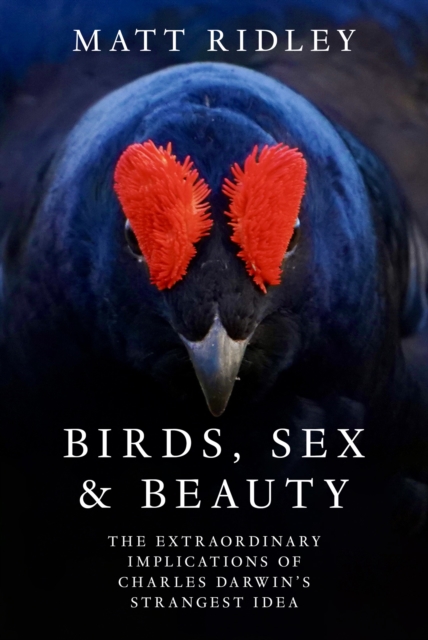
In his new book, acclaimed science writer Matt Ridley looks to the peculiar mating rituals of birds to better understand the rich origins and ongoing significance of Darwin's sexual selection theory.
Seit die Menschen sesshaft wurden, haben sie ihre Ansprüche an die Menge Wasser, Bodenflächen, Nahrungsmittel, Energieträger und Baustoffe über die Jahrtausende langsam gesteigert.
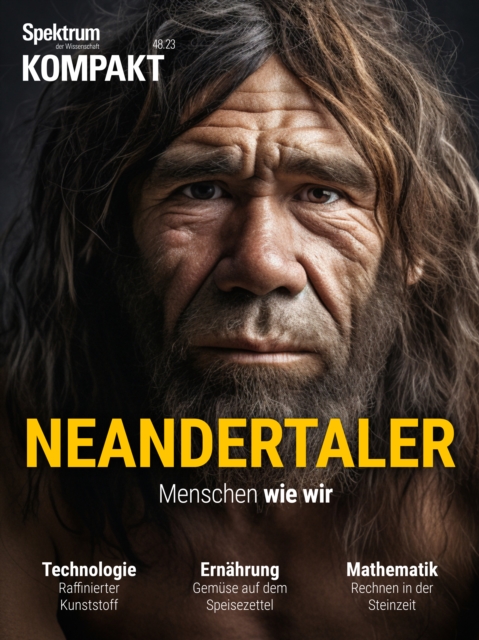
Affenähnlich und kognitiv nicht fähiger als Vieh – so beurteilte die Fachwelt die ersten bekannten Knochen eines Neandertalers, die 1856 bei Düsseldorf aus einem Steinbruch purzelten.
Obwohl Menschen auf keinen Fall zu den gefährdeten Tierarten auf diesem Planeten gehören, treibt Menschen offensichtlich die Sorge und die Befürchtung um, dass die Menschheit nicht überleben und damit die Tierart Homo sapiens für immer ausgelöscht werden könnte.
How the science of evolution explains how everything came to be, from bacteria and blue whales to cell phones, cities, and artificial intelligenceEverything Evolves reveals how evolutionary dynamics shape the world as we know it and how we are harnessing the principles of evolution in pursuit of many goals, such as increasing the global food supply and creating artificial intelligence capable of evolving its own solutions to thorny problems.
How the science of evolution explains how everything came to be, from bacteria and blue whales to cell phones, cities, and artificial intelligenceEverything Evolves reveals how evolutionary dynamics shape the world as we know it and how we are harnessing the principles of evolution in pursuit of many goals, such as increasing the global food supply and creating artificial intelligence capable of evolving its own solutions to thorny problems.
Der Weltraummediziner und Physiologe Hanns-Christian Gunga beobachtet den menschlichen Körper unter physischen und psychischen Extrembelastungen – und erklärt, warum die Wissenschaft längst noch nicht alle Geheimnisse gelüftet hat:Wie wirkt sich Isolation auf unseren Körper aus?
Dawkins reafirma en El fenotipo extendido la idea que presentó originalmente en su libro de 1976 El gen egoísta, según la cual los organismos son máquinas de supervivencia, autómatas programados a ciegas con el fin de perpetuar la existencia de los genes que albergan en su interior.
Emiliano Bruner, uno de los principales expertos en paleoantropología, nos muestra cómo evolucionó el cerebro desde los primeros homininos hasta el homo sapiens.
The epic story of human evolution, from our primate beginnings more than five million years ago to the agricultural eraOver the course of five million years, our primate ancestors evolved from a modest population of sub-Saharan apes into the globally dominant species Homo sapiens.
An anthropologist uncovers new evidence for the evolutionary origins of human longevityand explains why growing old is an opportunity, not a burdenOur ability to live for decades may seem like a modern luxury made possible by clean water and advances in medicine.
Tras el éxito internacional de Otras mentes, el filósofo Peter Godfrey Smith vuelve con un nuevo y apasionante ensayo en el que le sigue la pista a la evolución de las formas de vida para formular una teoría de la conciencia.
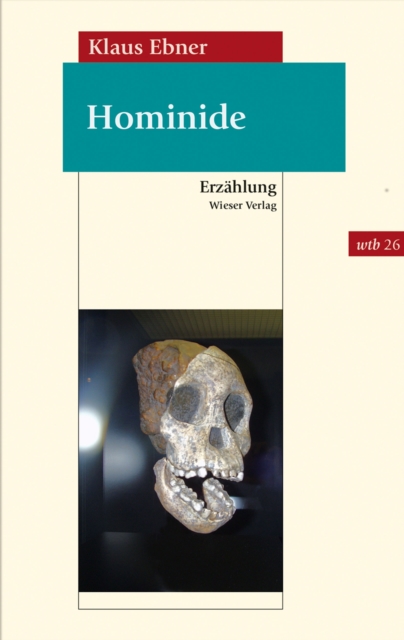
Seine Geschichte erzählt Pitar, ein Australopithecus afarensis, der mit seiner Sippe vor Millionen von Jahren am Rand des zentralafrikanischen Regenwaldes in der Nähe der Savanne lebt.