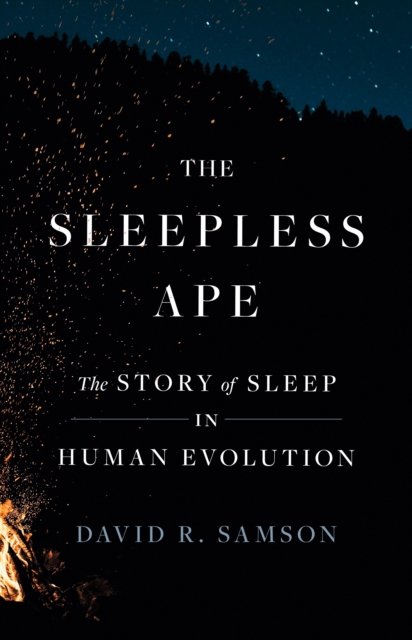
How the unique sleep habits of early humans fostered survival, innovation, and social evolutionand how this evolutionary legacy holds insights into how we sleep todayDespite sleep's critical role in maintaining health and cognitive function, humans sleep less than any other primate.
How the unique sleep habits of early humans fostered survival, innovation, and social evolutionand how this evolutionary legacy holds insights into how we sleep todayDespite sleep's critical role in maintaining health and cognitive function, humans sleep less than any other primate.
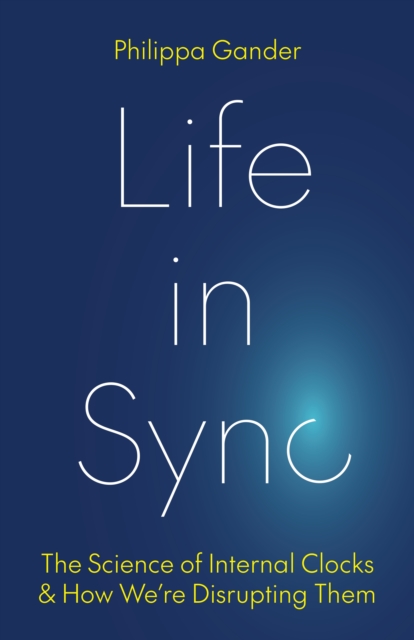
Why we need to reconnect with nature's biological rhythmsand rediscover the benefits of a good night's sleepAll of life is profoundly shaped by the daily, monthly, and yearly cycles of our planet, and all creatures have internal timekeeping systems that rely on cues from the surrounding environment.
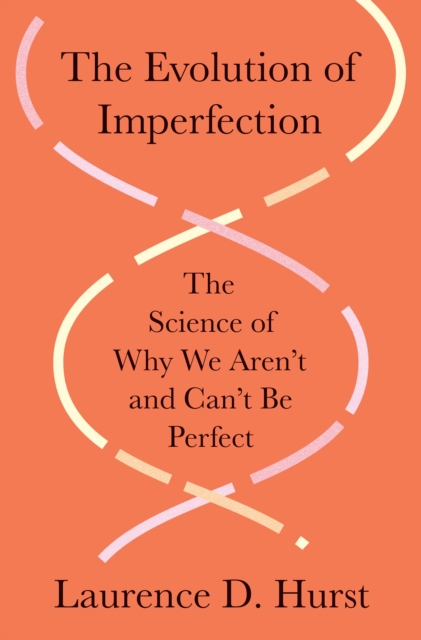
How understanding our genetic imperfections can change our view of evolution and enrich what it means to be humanIf we start with the presumption that evolution is a constantly improving process, some aspects of our evolution just do not make sense.
How understanding our genetic imperfections can change our view of evolution and enrich what it means to be humanIf we start with the presumption that evolution is a constantly improving process, some aspects of our evolution just do not make sense.
Argues that the struggle over income, wealth, status and privilege-inequality-has been the principal, defining issue in human history and provides a novel framework for understanding inequality todayWhereas President Barack Obama declared inequality as the defining issue of our time, in The Origins and Dynamics of Inequality, Jon D.
Argues that the struggle over income, wealth, status and privilege-inequality-has been the principal, defining issue in human history and provides a novel framework for understanding inequality todayWhereas President Barack Obama declared inequality as the defining issue of our time, in The Origins and Dynamics of Inequality, Jon D.
Why we need to reconnect with nature's biological rhythmsand rediscover the benefits of a good night's sleepAll of life is profoundly shaped by the daily, monthly, and yearly cycles of our planet, and all creatures have internal timekeeping systems that rely on cues from the surrounding environment.
The connections between modern physics and medical technologyMany remarkable medical technologies, diagnostic tools, and treatment methods have emerged as a result of modern physics discoveries in the last century-including X-rays, radiation treatment, laser surgery, high-resolution ultrasound scans, computerized tomography (CT) scans, and magnetic resonance imaging.
The connections between modern physics and medical technologyMany remarkable medical technologies, diagnostic tools, and treatment methods have emerged as a result of modern physics discoveries in the last century-including X-rays, radiation treatment, laser surgery, high-resolution ultrasound scans, computerized tomography (CT) scans, and magnetic resonance imaging.
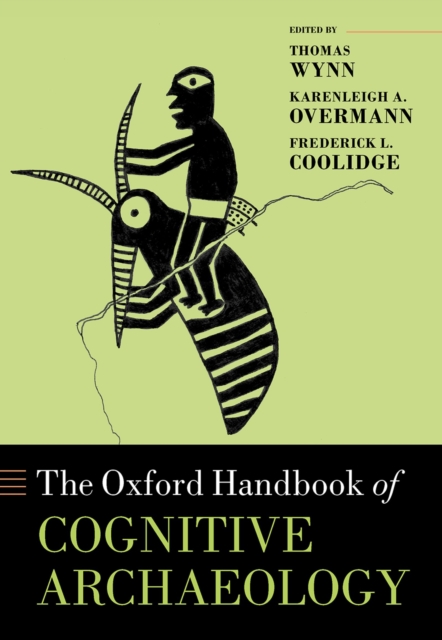
The biological and neurological capacity to symbolize, and the products of behavioral, cognitive, sociocultural, linguistic, and technological uses of symbols (symbolism), are fundamental to every aspect of human life.
The biological and neurological capacity to symbolize, and the products of behavioral, cognitive, sociocultural, linguistic, and technological uses of symbols (symbolism), are fundamental to every aspect of human life.
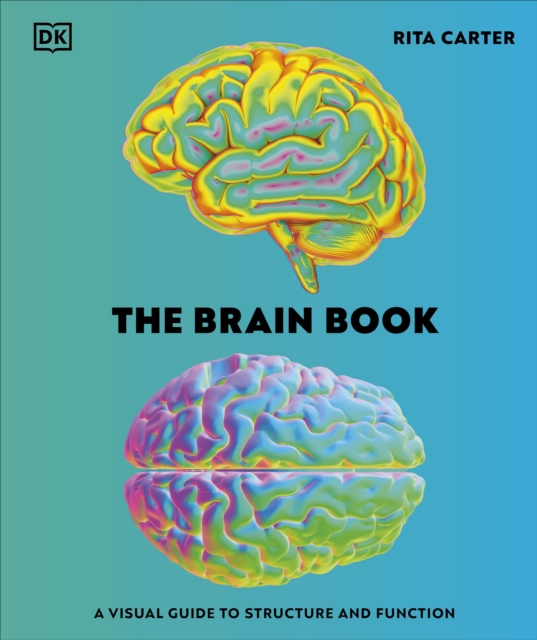
This new edition of the award-winning The Brain Book uses the latest findings from neuroscience research and brain-imaging technology to take you on a journey into the human brain.
Placebo Effects Through the Lens of Translational Research is an Open Access book integrating current knowledge on placebo research in healthcare to develop comprehensive and adequate strategies for better symptom management and treatment responses.
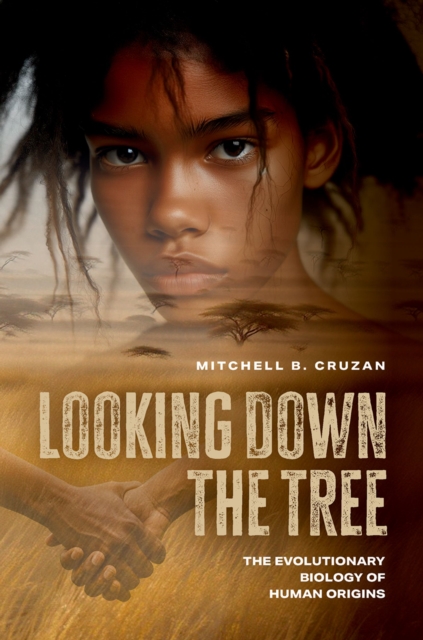
We know much about our history from bones and DNA, but these studies do not tell us about the characteristics that are not preserved in the fossil record - the fleshy parts and behaviors.
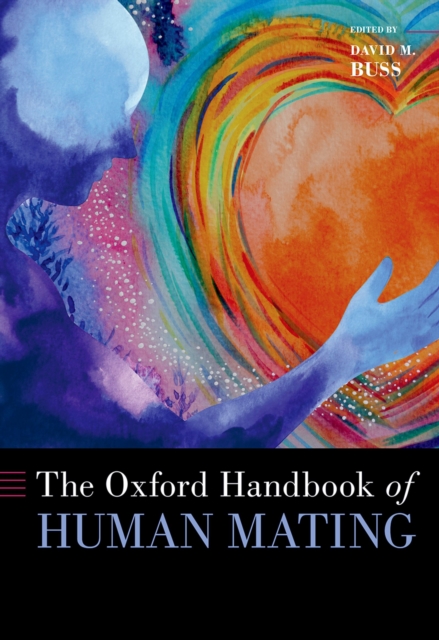
The scientific study of human mating has mushroomed over the past three decades, and this growth in turn has generated a proliferation of evolving literature revealing fresh discoveries about mate attraction, mate choice, mate retention, marital satisfaction, jealousy, infidelity, intimate partner violence, breakups, internet dating, cyberstalking, and sexual coercion.
The scientific study of human mating has mushroomed over the past three decades, and this growth in turn has generated a proliferation of evolving literature revealing fresh discoveries about mate attraction, mate choice, mate retention, marital satisfaction, jealousy, infidelity, intimate partner violence, breakups, internet dating, cyberstalking, and sexual coercion.
We know much about our history from bones and DNA, but these studies do not tell us about the characteristics that are not preserved in the fossil record - the fleshy parts and behaviors.
Serving as both an accessible textbook and an original synthesis of interdisciplinary scholarship, Emerging Infections traces the social and environmental determinants of human infectious diseases from the Paleolithic to the present day.
A groundbreaking exploration of how fatherhood transforms men s brains, bodies, health, skills and relationships - showing that men are wired to participate in care, just as women are.
This book addresses central questions in the evolution of language: where it came from; how it relates to primate communication; how and why it evolved; how it came to be culturally transmitted; and how languages diversified.
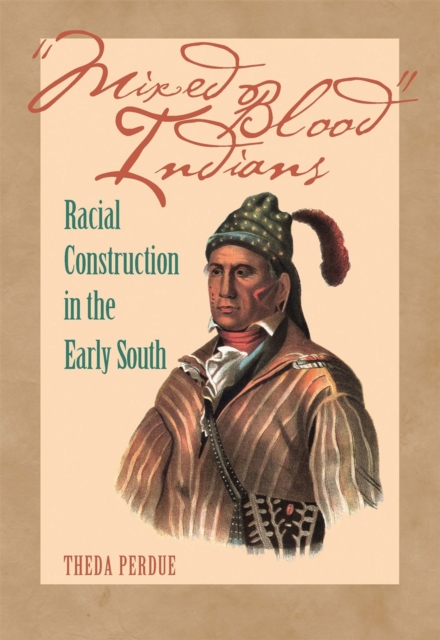
On the southern frontier in the eighteenth and early nineteenth centuries, European men-including traders, soldiers, and government agents-sometimes married Native women.
A radically new cosmological view from a groundbreaking neuroscientist who places the human brain at the center of humanity’s universe Renowned neuroscientist Miguel Nicolelis introduces a revolutionary new theory of how the human brain evolved to become an organic computer without rival in the known universe.
A radically new cosmological view from a groundbreaking neuroscientist who places the human brain at the center of humanity’s universe Renowned neuroscientist Miguel Nicolelis introduces a revolutionary new theory of how the human brain evolved to become an organic computer without rival in the known universe.
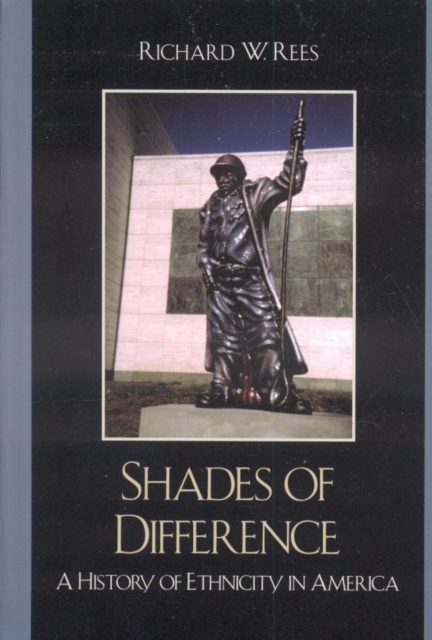
From its prehistory in the biological theories of racial difference formulated in the 1800s to its current position in academic debate, Richard Rees investigates the diverse fields of scholarship from which the multifaceted understanding of the term ethnicity is derived.
'We became the 'chief guinea pigs' for the British Gut Project where we discovered that despite us having 100% the same DNA our guts have only 40% the same microbiota.
From its prehistory in the biological theories of racial difference formulated in the 1800s to its current position in academic debate, Richard Rees investigates the diverse fields of scholarship from which the multifaceted understanding of the term ethnicity is derived.