Temporary waters are found throughout the world, and include intermittent streams and ponds, episodic rain puddles, seasonal limestone lakes, the water-retaining structures of plants, such as bromeliads and pitcher plants, and a variety of man-made container habitats.
Essential Fish Biology provides an introductory overview of the functional biology of fish and how this may be affected by the widely contrasting habitat conditions within the aquatic environment.
This practical manual of freshwater ecology and conservation provides a state-of-the-art review of the approaches and techniques used to measure, monitor, and conserve freshwater ecosystems.
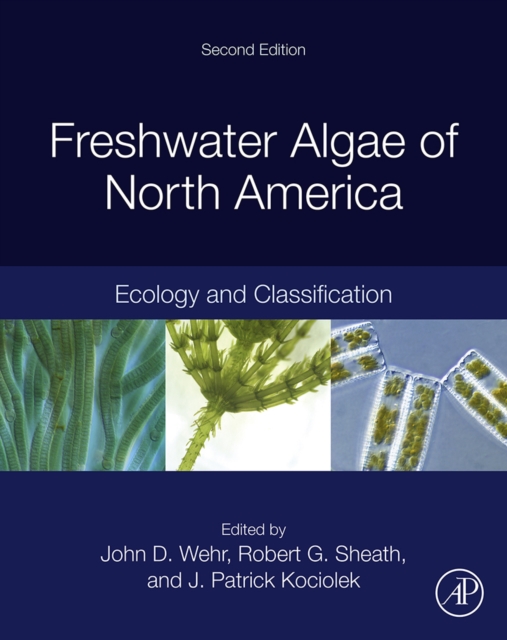
Freshwater Algae of North America: Ecology and Classification, Second Edition is an authoritative and practical treatise on the classification, biodiversity, and ecology of all known genera of freshwater algae from North America.
Wetland and Stream Rapid Assessments: Development, Validation, and Application describes the scientific and environmental policy background for rapid wetland and stream assessments, how such assessment methods are developed and statistically verified, and how they can be used in environmental decision-making-including wetland and stream permitting.
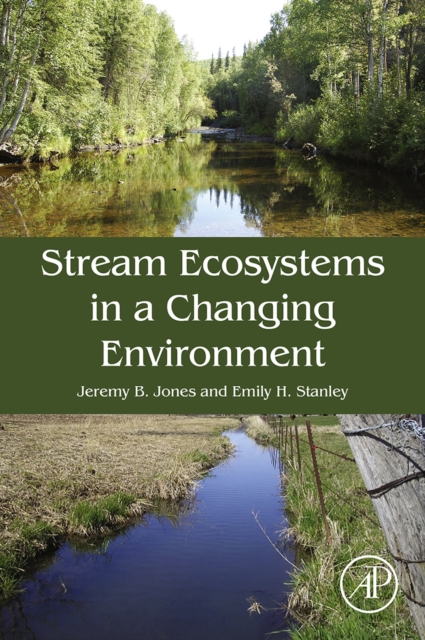
Stream Ecosystems in a Changing Environment synthesizes the current understanding of stream ecosystem ecology, emphasizing nutrient cycling and carbon dynamics, and providing a forward-looking perspective regarding the response of stream ecosystems to environmental change.
Freshwater Algae of North America: Ecology and Classification, Second Edition is an authoritative and practical treatise on the classification, biodiversity, and ecology of all known genera of freshwater algae from North America.
A derivative of the Encyclopedia of Inland Waters, Plankton of Inland Waters covers protists, bacteria, fungi, algae, and zooplankton as well as the functional and system interactions of planktonic and attached forms in aquatic ecosystems.
Freshwater Ecology, Second Edition, is a broad, up-to-date treatment of everything from the basic chemical and physical properties of water to advanced unifying concepts of the community ecology and ecosystem relationships as found in continental waters.
This concise, readable introduction to limnology (the science of investigating the structure and function of inland waters), places the subject in the context of modern ecology.