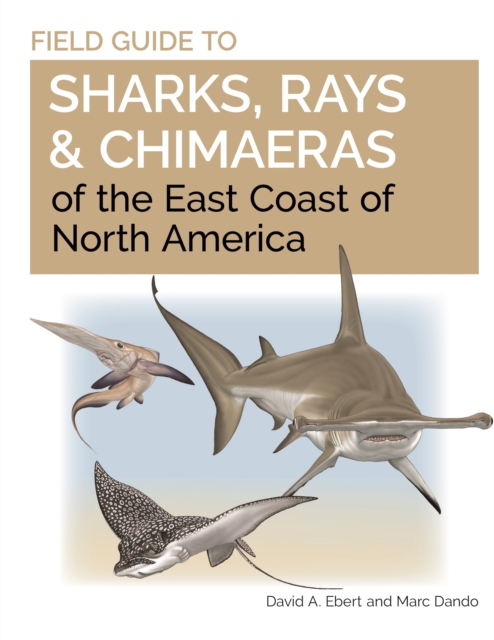
The definitive field guide to all the sharks, rays and chimaeras of eastern North AmericaThe waters off the East Coast of North America are home to an amazing variety of sharks, rays and chimaeras.
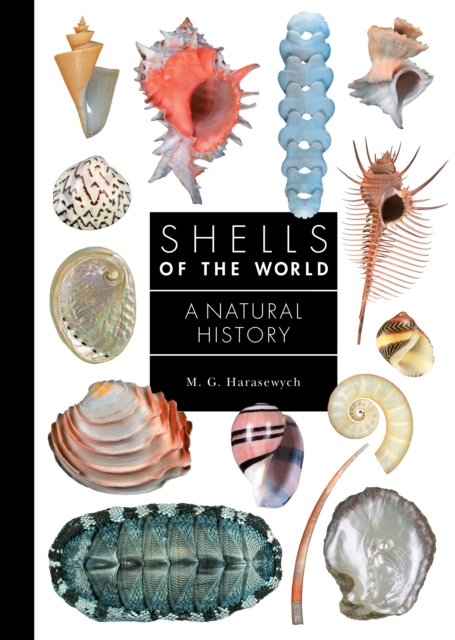
A marvelously illustrated natural history of the world's mollusksMollusks are invertebrate animals with a remarkable natural history and a rich fossil record, and their shells are prized for their breathtaking variety and exquisite beauty.
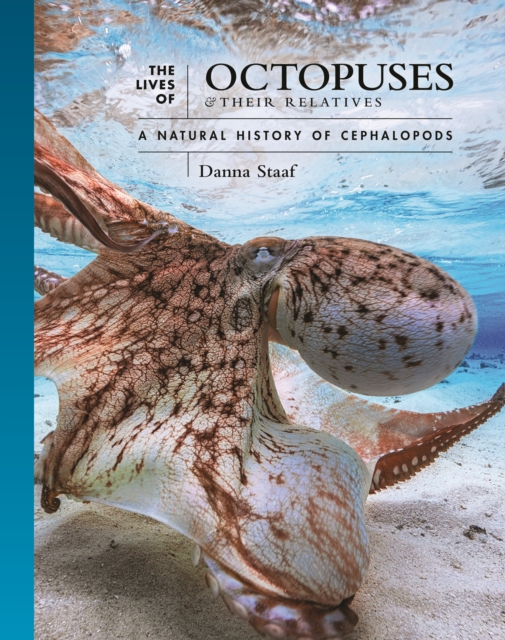
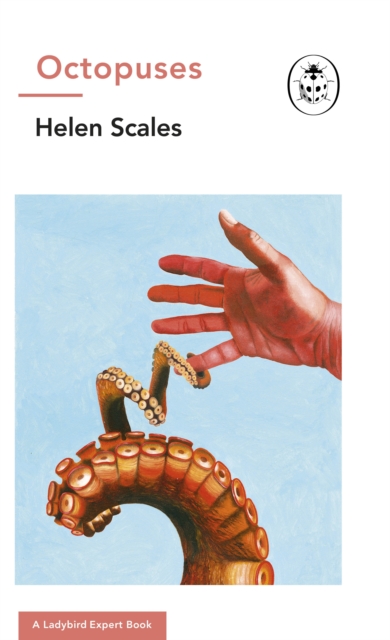
An engaging and beautifully illustrated introduction to some of the world's most interesting and charismatic marine creaturesDive deep into the fascinating world of cephalopodsoctopuses, squid, cuttlefish, and the mysterious nautilusto discover the astonishing diversity of this unique group of intelligent invertebrates and their many roles in the marine ecosystem.
Geomicrobiology of Rio Tinto: A Terrestrial Mars Analogue provides the most detailed biological and geological characterizations of one of Earth's best terrestrial Mars analogues.
Harvesting the Sea: Unveiling Marine Bioresources for Functional Foods and Human Health Enhancement explores the remarkable potential hidden within the depths of our oceans.
The Ecology of the Indonesian Seas distills for the first time the information found in thousands of scholarly works relevant to an understanding of the sustainable use of marine and coastal resources in these islandsmany of them available up to now only in Dutch, German or Indonesian.
The Ecology of the Indonesian Seas distills for the first time the information found in thousands of scholarly works relevant to an understanding of the sustainable use of marine and coastal resources in these islandsmany of them available up to now only in Dutch, German or Indonesian.
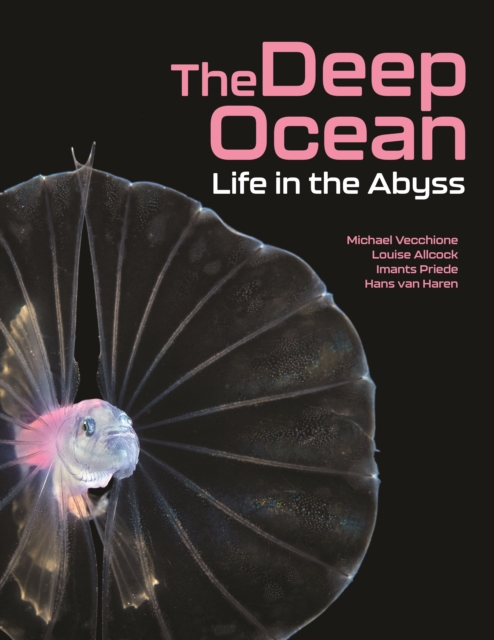
An epic excursion into one of the last great frontiers on EarthThe deep ocean comprises more than 90 percent of our planet's biosphere and is home to some of the world's most dazzling creatures, which thrive amid extreme pressures, scarce food supplies, and frigid temperatures.
Taking an integrated approach to the biology of marine carnivores, cetaceans, and sirenians, twenty-two prominent researchers compare marine mammals with one another and with terrestrial mammals, providing a framework for fundamental biological and ecological concepts.
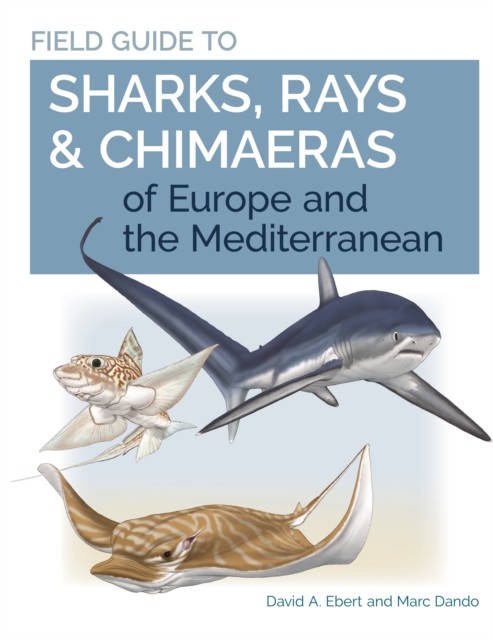
The definitive field guide to all the sharks, rays and chimaeras of the European Atlantic and MediterraneanThe waters of the northeast Atlantic and Mediterranean Sea are home to an amazing variety of sharks, rays and chimaeras.
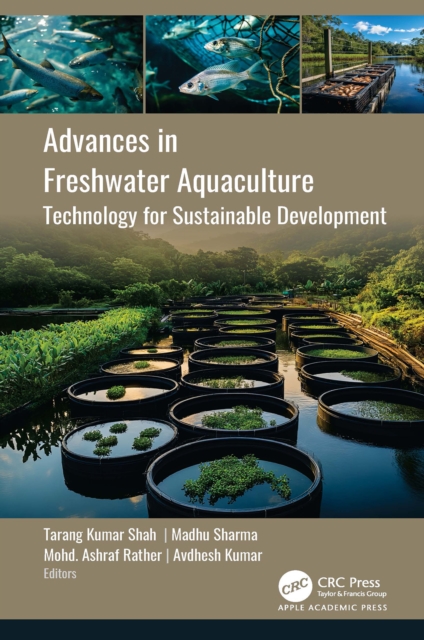
Incorporating modern farming techniques and biotechnological approaches in the freshwater aquaculture industry helps to address today production challenges.
Aquaculture is a major food producing sector of the world, delivering nutritious food around the globe and generating substantial entrepreneurship as well as job opportunities.
Aquaculture is a major food producing sector of the world, delivering nutritious food around the globe and generating substantial entrepreneurship as well as job opportunities.
Global environmental change (including climate change, biodiversity loss, changes in hydrological and biogeochemical cycles, and intensive exploitation of natural resources) is having significant impacts on the world's oceans.
Incorporating modern farming techniques and biotechnological approaches in the freshwater aquaculture industry helps to address today production challenges.
Marine sediments provide the largest habitat on planet earth, yet knowledge of the structure and function of their flora and fauna continues to be poorly described in current textbooks.
Coral Reefs and Associated Marine Fauna around the Arabian Peninsula is a unique text that contains studies on a diverse range of topics related to the biology of the Red Sea and Arabian (Persian) Gulf region.
Since the first volume of The Biology of Sea Turtles was published in 1997, the field has grown and matured in ways few of the authors would have predicted-particularly in the areas of physiology, behavior, genetics, and health.
Coral Reefs and Associated Marine Fauna around the Arabian Peninsula is a unique text that contains studies on a diverse range of topics related to the biology of the Red Sea and Arabian (Persian) Gulf region.
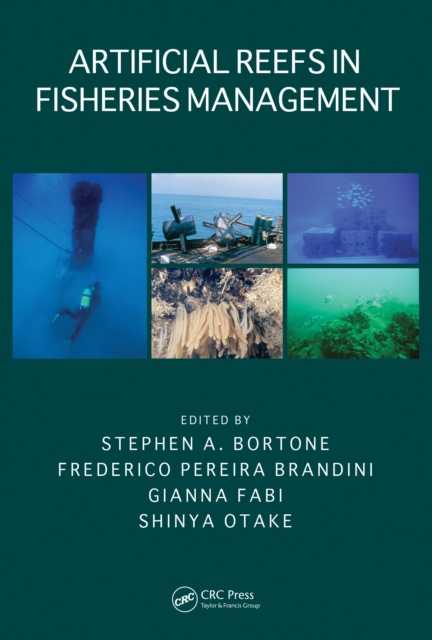
While artificial reefs may have much to offer, they remain an anecdote in the greater scheme of fisheries management, primarily due to the lack of data specific to validating their use.
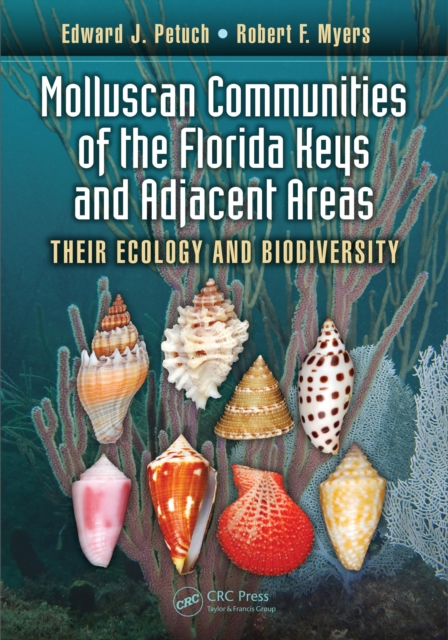
Molluscan Communities of the Florida Keys and Adjacent Areas: Their Ecology and Biodiversity is the first comprehensive overview of the ecology and biodiversity of the phylum Mollusca in the area extending from the Dry Tortugas and Ten Thousand Islands in the west to Palm Beach in the east.
The North Pacific Project was established at the Institute for Marine Studies, University of Washington, in September 1976, and was funded by the Rockefeller Foundation.
The North Pacific Project was established at the Institute for Marine Studies, University of Washington, in September 1976, and was funded by the Rockefeller Foundation.
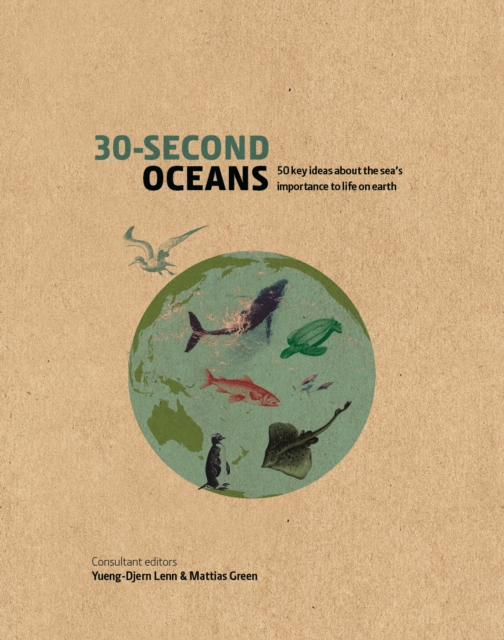
This information-packed book is the complete guide to everything you need to know about the worlds oceans, with each conceptOceans cover two thirds of the Earth's surface and are the driving force behind our weather systems, taking warm and cold water around the globe.
Artificial intelligence (AI) is fundamentally reshapes the healthcare sector and offers transformational improvements in patient care, to improve operational efficiency, and to do medical research.
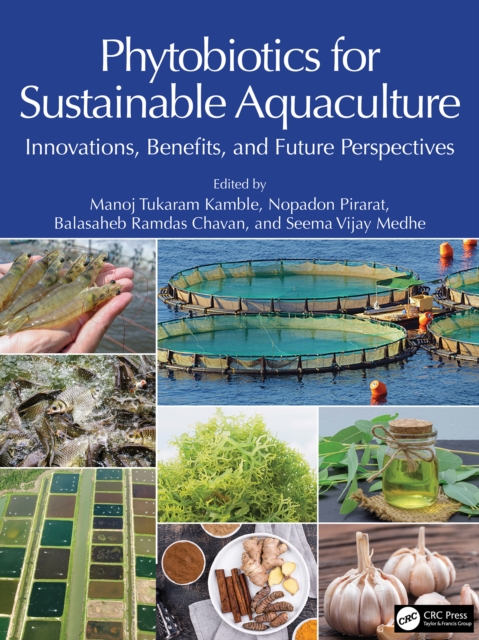
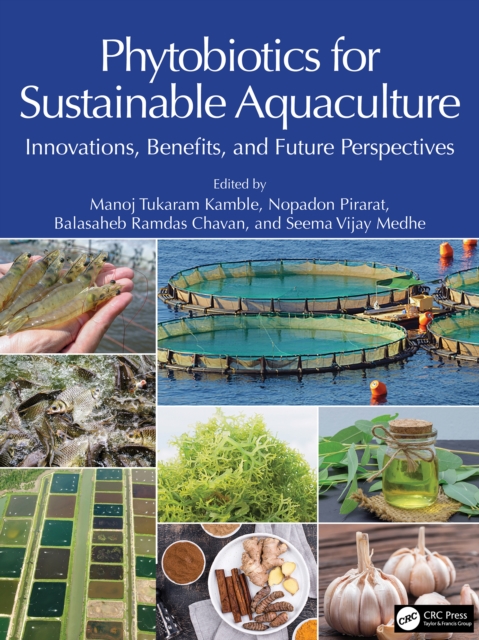
Phytobiotics for Sustainable Aquaculture: Innovations, Benefits, and Future Perspectives is a comprehensive reference on plant-derived compounds, including herbs, spices, and micro- and macroalgae, as tools for disease management, nutrition, welfare, and sustainability in farmed fish and shrimp.
Artificial intelligence (AI) is fundamentally reshapes the healthcare sector and offers transformational improvements in patient care, to improve operational efficiency, and to do medical research.
Phytobiotics for Sustainable Aquaculture: Innovations, Benefits, and Future Perspectives is a comprehensive reference on plant-derived compounds, including herbs, spices, and micro- and macroalgae, as tools for disease management, nutrition, welfare, and sustainability in farmed fish and shrimp.